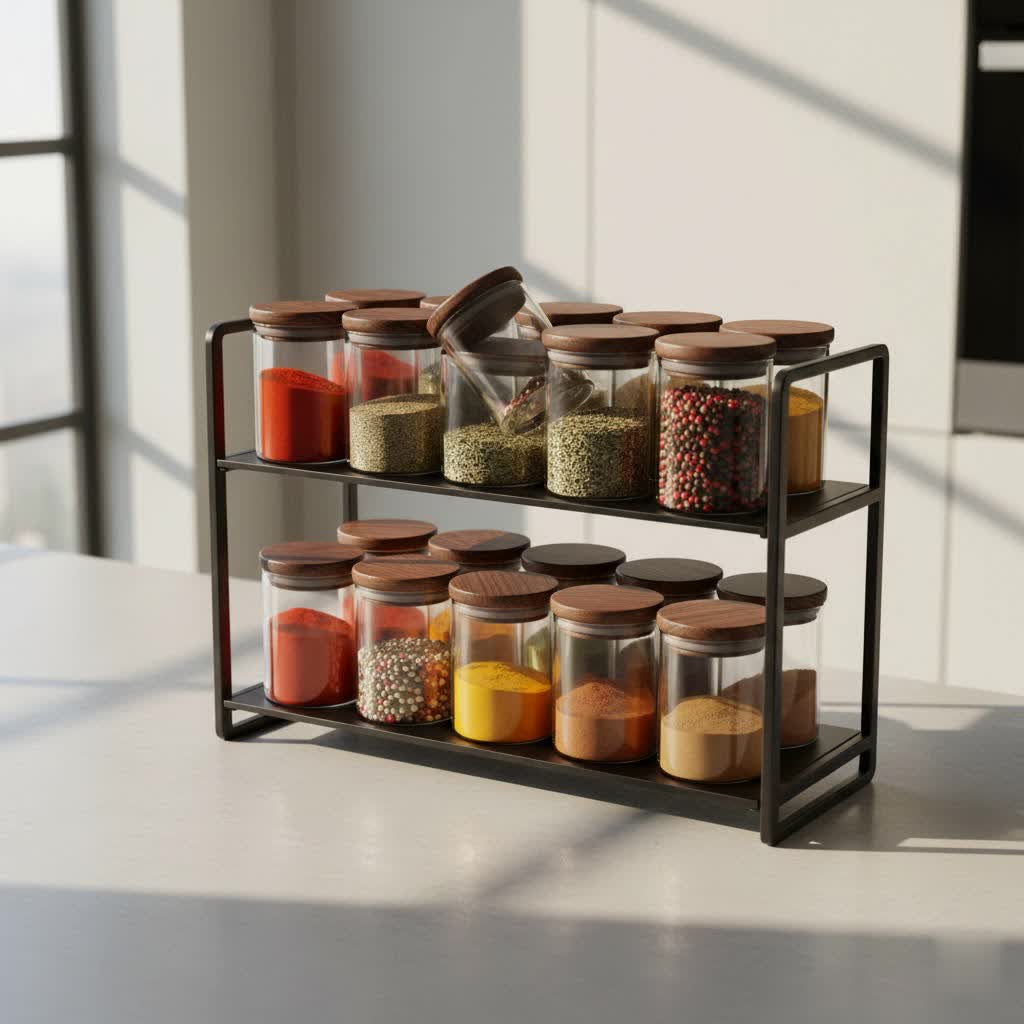
For those who see the kitchen as a personal laboratory and cooking as a precise experiment, a standard spice rack simply won’t do. You need an organizational system that speaks to your scientific soul, one that blends function with a fascinating aesthetic. Enter the test tube spice rack – a brilliant fusion of culinary storage and scientific flair that transforms your everyday spices into elements worthy of the periodic table. If you’re ready to meticulously measure, methodically mix, and master the molecular gastronomy of your home cooking, then a test tube spice rack is your next essential kitchen upgrade.
Decoding the Chemistry of Flavor: Types of Test Tube Spice Racks
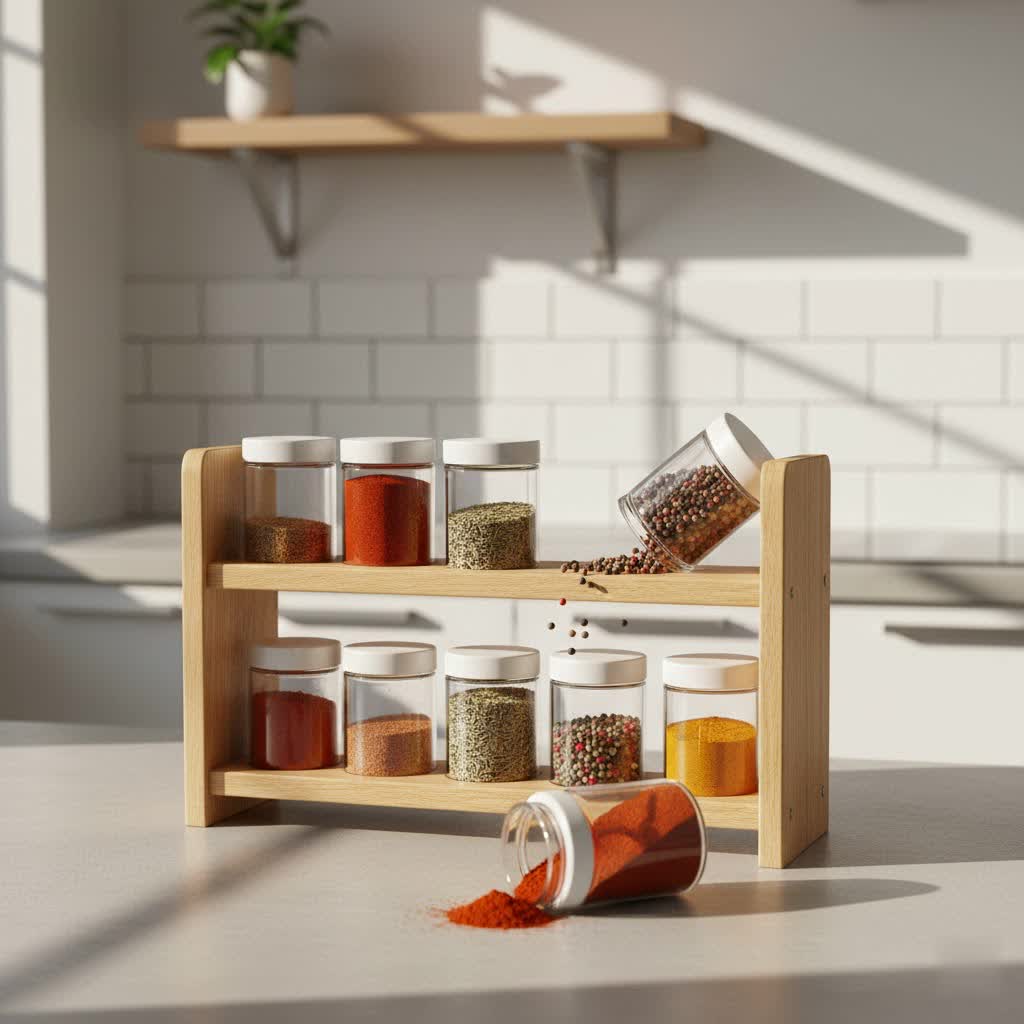
Test tube spice racks come in various configurations, each designed to fit different kitchen layouts and personal preferences. Understanding the unique properties of each type will help you choose the ideal “apparatus” for your culinary experiments.
Countertop Racks
These are arguably the most common and easily accessible test tube spice rack designs. Typically featuring a sturdy base made from wood, metal, or acrylic, they hold the test tubes upright for easy access and prominent display.
- Pros: They are excellent for showcasing your unique collection and adding a distinct, scientific touch to your kitchen. Countertop racks are also portable, allowing you to move your “spice lab” wherever it’s most convenient.
- Cons: Spices stored in clear test tubes on a countertop can be exposed to light, which may degrade their flavor and potency over time. This type also occupies valuable counter space, which might be a concern in smaller kitchens.
|
Our Picks for the Best Spice rack in 2026
As an Amazon Associate I earn from qualifying purchases.
|
||
| Num | Product | Action |
|---|---|---|
| 1 | Orii 20 Jar Rotating Spice Rack with Spices Included & 5-Year Free Spice Refill Program – Stainless Steel Countertop Spice Rack with 3 oz Glass Jars |

|
| 2 | Bunoxea Spice Rack Wall Mounted 4 Pack,Space-Saving Spice Organizer for Spice Jars and Seasonings,Screw or Adhesive Hanging Spice Rack Organizer for Your Kitchen Cabinet,Pantry Door,11.41x2.75x2.75in |
|
| 3 | Sevenblue 4 Pack Strong Magnetic Spice Rack for Refrigerator, Multipurpose Magnetic Shelf for Fridge with 4 Hooks for Kitchen and Bathroom Organization, Black |
|
| 4 | Kamenstein 20 Jar Revolving Countertop Spice Rack with Spices Included, FREE Spice Refills for 5 Years, Polished Stainless Steel with Black Caps, 30020 |
|
| 5 | Copco Non-Skid 3-Tier Spice Rack Organizer for Cabinet - 10 Inch Kitchen Pantry Organizer with Raised Rims, White and Gray Step Shelf for Spices, Cans, Jars - Easy Clean Storage Solution |
|
| 6 | LAMU 2 Tier Lazy Susan Turntable Organizer 9.25'' Rotating Spice Rack Organization for Cabinet, Kitchen, Pantry, Countertop, Bathroom, Vanity, Medicine Cabinet Organizer, Clear |
|
| 7 | Pull Out Spice Rack Organizer for Cabinet, 3 Packs Slide Out Spice Racks Organizer, Spice Cabinet Organizers, Cabinet Size Need:12'' Highx11'' Deepx5'' Wide,Each Tier Hold 10 Spice Jar - 2 Tier, Black |
|
| 8 | LYNK PROFESSIONAL® Pull Out Spice Organization for Cabinets - 4-3/8 inch Wide – Spice Rack for Inside Cabinets, Slide Out Spice Rack Organizer for cabinet – Pull Out Spice Rack, Sliding 2 Tier Chrome |
|
| 9 | SpaceAid Bamboo Pull Out Spice Rack Organizer for Cabinet, Heavy Duty Slide Out Seasoning Kitchen Pantry Sliding Vertical Organization, 7.6" Wide, 3 Drawers(2" Wide), 2-Tier, Natural |
|
| 10 | Spice Rack Kitchen Cabinet Organizer- 3 Tier Bamboo Expandable Display Shelf Yellow |
|
Wall-Mounted Racks
For kitchens where counter space is at a premium, wall-mounted test tube spice racks offer an ingenious vertical storage solution. These racks often feature a series of holes or clips to secure the test tubes to a wall.
- Pros: Wall-mounted options free up counter space and can become a striking focal point in your kitchen decor. They keep your spices organized and easily visible, akin to a neatly arranged chemistry lab bench. [cite: 1.1]
- Cons: Installation requires drilling and a degree of commitment to the chosen location. Once mounted, repositioning can be cumbersome, and the exposed nature of clear tubes still raises concerns about light exposure.
DIY & Customizable Kits
For the true science enthusiast who loves a hands-on project, many choose to build or customize their own test tube spice racks. This often involves sourcing individual test tubes and a rack base separately, or purchasing kits that allow for personalized touches.
- Pros: DIY options offer unparalleled flexibility in terms of size, material, and design. You can tailor the rack to perfectly fit your space and aesthetic, even creating bespoke periodic table-style labels for each spice. This approach also allows for continuous expansion as your spice collection “evolves.” [cite: 1.4, 1.5]
- Cons: This route requires time, effort, and some basic crafting skills. Sourcing quality materials and ensuring food-safe components is crucial, but the reward is a truly unique and personalized spice system.
The Elements of Design: Materials in Test Tube Spice Racks
Just like in a real laboratory, the materials of your test tube spice rack play a critical role in its function, durability, and aesthetic appeal.
Rack Materials
- Wood: Wooden racks, often crafted from beech, oak, or bamboo, offer a warm, classic aesthetic that can complement various kitchen styles. They are sturdy and can be stained or painted to match your decor. High-quality wooden racks are often lacquered to resist moisture and spills. While beautiful, wood requires careful cleaning and can be susceptible to warping if not properly maintained. [cite: 1.2, 2.1, 2.5]
- Metal: Metal racks, typically made from stainless steel or coated metal, provide a sleek, modern, and often industrial look. They are exceptionally durable, easy to clean, and resistant to moisture. Metal racks lend themselves well to minimalist designs and can withstand the rigors of a busy kitchen. [cite: 1.3, 2.2, 2.3]
- Acrylic & Plastic: Lightweight and often more affordable, acrylic or plastic racks can offer unique, clear, or colored designs. They are easy to clean and generally resistant to moisture. However, plastic can sometimes feel less premium than wood or metal, and lower-quality plastics may lack durability over time. [cite: 1.4]
Test Tube Materials & Seals
- Glass Test Tubes: The quintessential choice, glass test tubes are preferred for their clarity, durability, and food-safe properties. Borosilicate glass is particularly prized for its resistance to thermal shock and chemical inertness, making it ideal for food storage. These tubes are often dishwasher safe, simplifying cleanup. [cite: 1.1]
- Plastic Test Tubes: While less common for dedicated spice racks, plastic test tubes are available. They are unbreakable and lighter, but may not offer the same clarity or premium feel as glass, and some plastics may not be ideal for long-term food storage. [cite: 1.4]
- Stoppers: The seal of your test tube is paramount for preserving spice freshness.
- Cork Stoppers: Popular for their classic, natural look, corks provide a good seal and add to the scientific aesthetic. [cite: 1.1, 1.2, 2.1]
- Rubber Stoppers/O-rings: These offer a very tight, airtight seal, excellent for preserving freshness. They are durable and easy to clean. [cite: 1.1]
- Silicone Seals: Often found with high-end designs, silicone seals provide an exceptional airtight barrier, are food-safe, and very easy to clean. [cite: 2.2]
Elemental Analysis: Comparing Popular Test Tube Spice Racks
Choosing the right test tube spice rack involves balancing aesthetics, functionality, and budget. Here’s a comparative overview of common rack types:
| Feature | Wooden Rack | Metal Rack | DIY/Acrylic Rack |
|---|---|---|---|
| Aesthetic Appeal | Warm, classic, rustic | Modern, industrial, sleek | Highly customizable, varied |
| Durability | Medium-High (with proper care) | High | Varies greatly by material quality |
| Cost | Medium-High | Medium-High | Low-Medium (if self-sourced/made) |
| Cleaning Ease | Medium (wipe, avoid soaking) | Easy (wipe, rust-resistant) | Easy (acrylic), Varies (other DIY) |
| Light Protection | Low (clear tubes exposed) | Low (clear tubes exposed) | Low (clear tubes exposed) |
| Maintenance | Occasional oiling/sealing | Minimal | Varies (depends on materials chosen) |
Formulating Your Perfect Rack: How to Choose a Test Tube Spice Rack
Selecting the ideal test tube spice rack requires a thoughtful “experiment” into your kitchen habits and design preferences.
First, assess your available space. Do you have ample countertop real estate for a stylish display, or would a wall-mounted solution be more practical to maximize vertical storage? Consider the dimensions of your desired rack and the number of spices you typically use.
Next, evaluate your spice collection and usage frequency. Test tubes are fantastic for a wide variety of lesser-used, unique, or gourmet spices, allowing you to showcase them beautifully. However, for everyday staples like salt, pepper, or paprika that you use in larger quantities, you might prefer a larger container or a dedicated shaker. Think about the volume each test tube can hold – typically around 30-60ml (1-2 fl. oz.) – and if that’s sufficient for your needs. [cite: 1.4, 1.5, 2.2, 2.1]
Your aesthetic preference is also a key factor. Do you envision a rustic, wood-based rack that complements a farmhouse kitchen, or a minimalist metal design that fits a modern, industrial vibe? Many chemistry geeks gravitate towards periodic table-style labels, transforming their spice collection into a visually engaging educational display. [cite: 1.5, 2.4]
Finally, consider your budget and the importance of airtight seals. While the visual appeal is undeniable, the primary function of a spice rack is to keep your seasonings fresh. Ensure the test tubes come with high-quality cork, rubber, or silicone stoppers to maintain potency and flavor.
Your Procurement Lab: Where to Buy Test Tube Spice Racks
Finding the perfect test tube spice rack can be an exciting quest. Here are some reliable “suppliers” for your scientific kitchen:
- Online Specialty Retailers: Websites like Indigo Instruments and getDigital often stock these unique items, catering specifically to science enthusiasts. Dean & Deluca also offers high-end options with curated spice collections. These stores can be excellent sources for complete sets, including test tubes and often pre-labeled spices. [cite: 1.1, 1.2, 1.3, 2.2, 2.3]
- Etsy & Handmade Marketplaces: For truly unique, handcrafted, or customizable test tube spice racks, Etsy is a treasure trove. You’ll find a wide array of designs, from artisan wooden racks to personalized periodic table labels, often created by fellow science-loving crafters. This is also a great place to source individual components if you’re planning a DIY project. [cite: 1.5, 2.1]
- DIY Component Suppliers: If you’re building your own, scientific supply stores (both online and brick-and-mortar) are the best place to find high-quality borosilicate glass test tubes. Craft stores and woodworking shops can provide materials for the rack itself.
Setting Up Your Scientific Kitchen: Installation & Assembly
Once you’ve acquired your test tube spice rack, setting it up correctly ensures both safety and accessibility.
If you’ve purchased a pre-assembled countertop rack, simply find a suitable, flat surface away from direct heat and sunlight. For wall-mounted racks, careful planning is essential. Use a level to ensure the rack is straight and secure it firmly to wall studs or with appropriate anchors. Always check that the test tubes fit snugly and are stable to prevent accidental spills or breakage.
For DIY projects, precision is key. When drilling holes in wood or acrylic for your test tubes, ensure the diameter is slightly larger than the tube itself but snug enough to hold it securely. Chamfering the edges of the holes can also make inserting and removing tubes smoother. Remember to use new, food-grade test tubes – never repurpose used lab equipment for food storage. [cite: 1.5]
Precision and Order: Tips for Organizing Your Test Tube Spices
The aesthetic appeal of a test tube spice rack lies in its neat, uniform presentation. Here’s how to organize your culinary chemicals with scientific precision:
- Labeling is Paramount: This is where your inner chemistry geek can truly shine! Use periodic table-style labels with abbreviations (e.g., “Sa” for Salt, “Pp” for Pepper) or simply clear, legible names for each spice. This not only looks fantastic but also ensures you can quickly identify the right ingredient during a cooking “reaction.” [cite: 1.3, 1.5, 2.2]
- Categorize Your Elements: Group spices logically. You might organize them alphabetically, by cuisine (e.g., “Italian Herbs,” “Curry Blends”), or by frequency of use. Placing frequently used spices at eye level or in easily accessible positions will streamline your cooking process.
- Mind the Light: As mentioned, clear test tubes offer little protection from light, which can degrade spices. If your rack is exposed to sunlight or bright kitchen lights, consider storing it inside a cabinet or pantry. This “