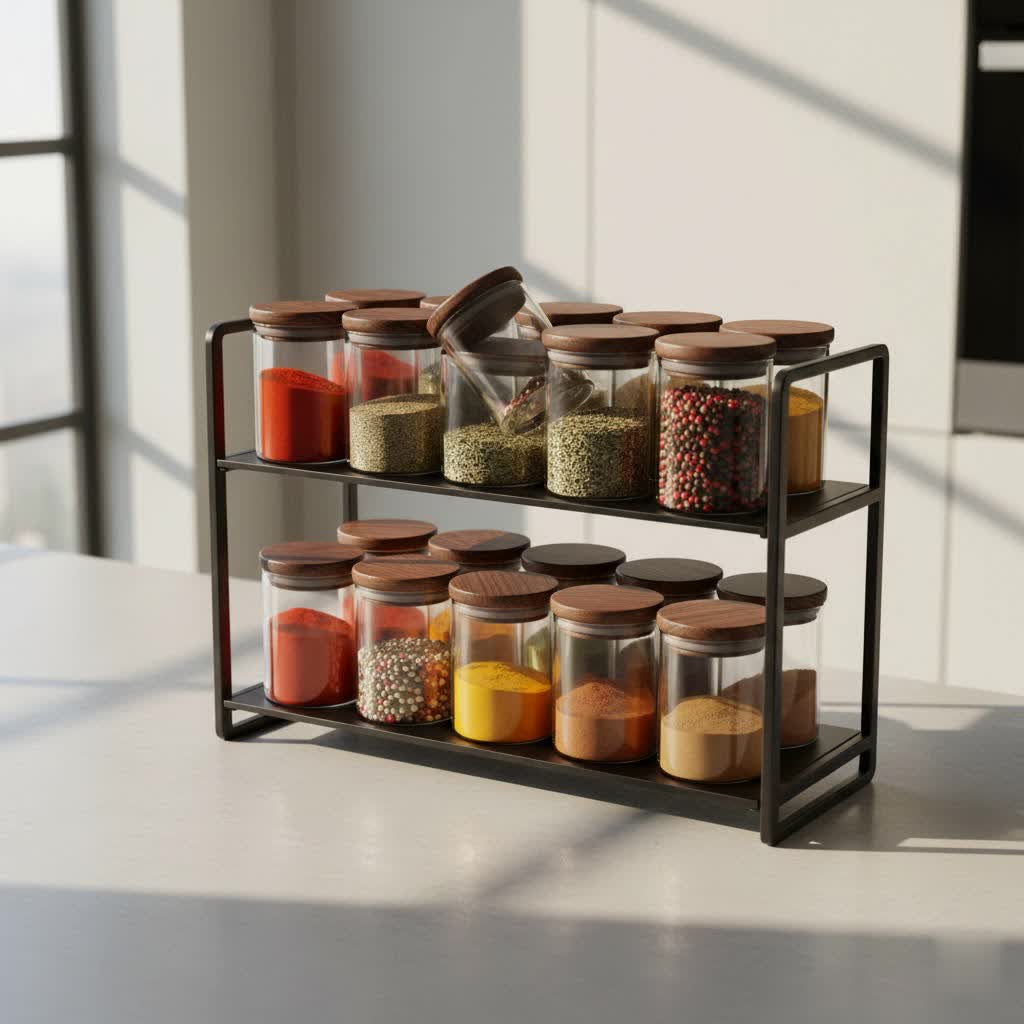
Does the thought of opening your spice cabinet fill you with dread? You’re not alone. Many home cooks accumulate a collection of jars and bottles over time, some of which may have lost their vibrant aroma and flavor, contributing to clutter and culinary disappointment. Identifying and managing these “expired” spices is crucial for an efficient, flavorful kitchen. This guide will walk you through understanding spice potency, a systematic decluttering process, creative non-culinary uses for old spices, and essential tips for maintaining a fresh, organized spice collection. Let’s transform your spice rack from a graveyard of forgotten flavors into a vibrant source of inspiration.
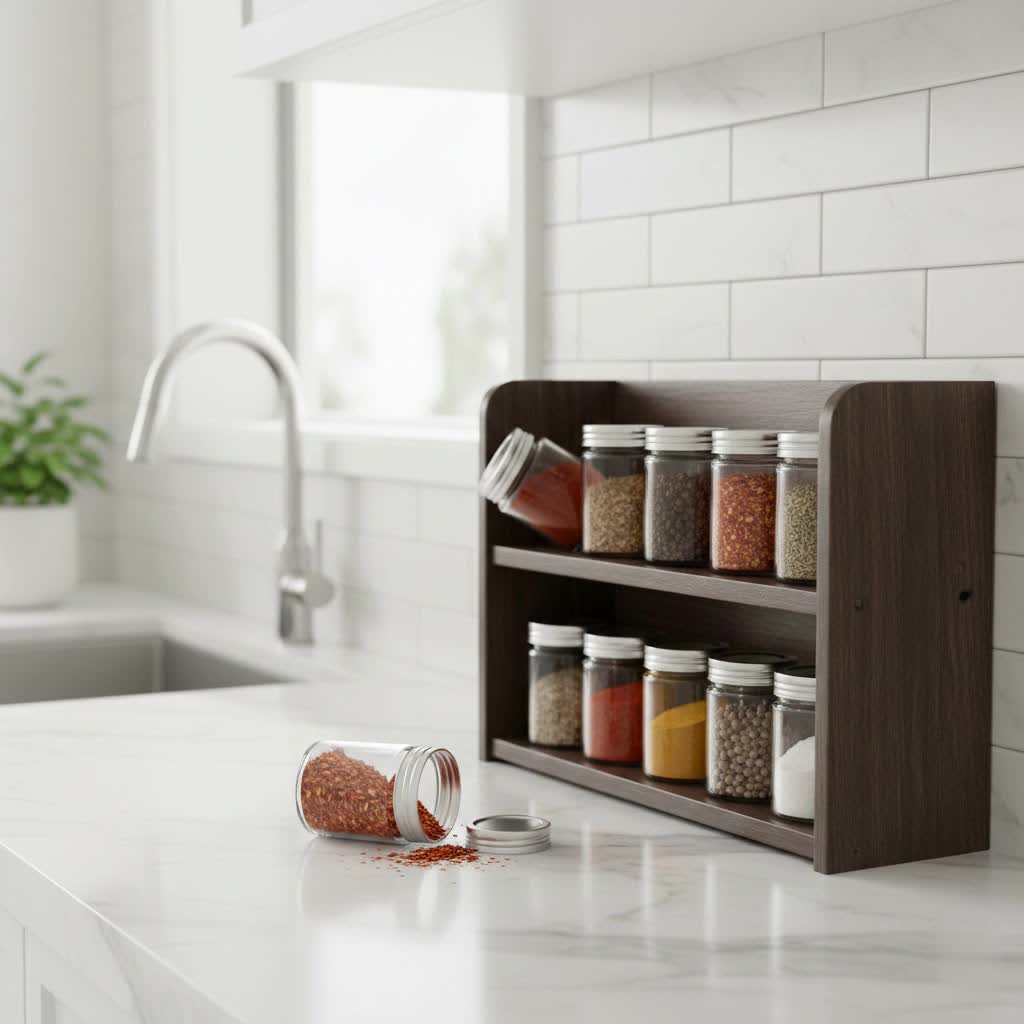
Do Spices Really “Expire”? Understanding Spice Potency and Safety
The term “expired” when applied to spices can be a bit misleading. Unlike fresh foods that can spoil and become unsafe to eat, dried spices and herbs do not typically go bad in a way that will make you sick. However, over time, they lose their potency, flavor, and sometimes their vibrant color, becoming less effective in your cooking.
The “Best By” date on a spice jar indicates when the product is expected to be at its peak quality, not when it becomes unsafe. A spice past this date might still be safe to consume but will likely offer little to no flavor impact. According to spice company McCormick, general shelf life guidelines for optimal flavor include:
- Ground Spices: 3 to 4 years
- Whole Spices: 4 years
- Dried, Leafy Herbs: 1 to 3 years
How to Tell if a Spice is Past Its Prime
The most reliable way to assess a spice’s vitality is through your senses.
- Smell Test: Open the jar and take a deep whiff. A fresh spice should have a strong, distinct aroma. If it smells bland, dusty, or has no discernible scent, its potency is gone.
- Taste Test: Place a tiny pinch on your tongue. A good spice will offer a clear, potent flavor. If it tastes like nothing, or worse, has an off or metallic taste, it’s time to let it go.
- Color Check: While not always definitive, a dull or faded color can also indicate a loss of freshness, especially for spices like paprika or chili powder.
|
Our Picks for the Best Spice rack in 2026
As an Amazon Associate I earn from qualifying purchases.
|
||
| Num | Product | Action |
|---|---|---|
| 1 | Sevenblue 4 Pack Strong Magnetic Spice Rack for Refrigerator, Multipurpose Magnetic Shelf for Fridge with 4 Hooks for Kitchen and Bathroom Organization, Black |

|
| 2 | Kamenstein 20 Jar Revolving Countertop Spice Rack with Spices Included, FREE Spice Refills for 5 Years, Polished Stainless Steel with Black Caps, 30020 |
|
| 3 | SpaceAid Bamboo Pull Out Spice Rack Organizer for Cabinet, Heavy Duty Slide Out Seasoning Kitchen Pantry Sliding Vertical Organization, 7.6" Wide, 3 Drawers(2" Wide), 2-Tier, Natural |
|
| 4 | LYNK PROFESSIONAL® Pull Out Spice Organization for Cabinets - 4-3/8 inch Wide – Spice Rack for Inside Cabinets, Slide Out Spice Rack Organizer for cabinet – Pull Out Spice Rack, Sliding 2 Tier Chrome |
|
| 5 | Orii 20 Jar Rotating Spice Rack with Spices Included & 5-Year Free Spice Refill Program – Stainless Steel Countertop Spice Rack with 3 oz Glass Jars |
|
| 6 | Bunoxea Spice Rack Wall Mounted 4 Pack,Space-Saving Spice Organizer for Spice Jars and Seasonings,Screw or Adhesive Hanging Spice Rack Organizer for Your Kitchen Cabinet,Pantry Door,11.41x2.75x2.75in |
|
| 7 | LAMU 2 Tier Lazy Susan Turntable Organizer 9.25'' Rotating Spice Rack Organization for Cabinet, Kitchen, Pantry, Countertop, Bathroom, Vanity, Medicine Cabinet Organizer, Clear |
|
| 8 | Spice Rack Kitchen Cabinet Organizer- 3 Tier Bamboo Expandable Display Shelf Yellow |
|
| 9 | Copco Non-Skid 3-Tier Spice Rack Organizer for Cabinet - 10 Inch Kitchen Pantry Organizer with Raised Rims, White and Gray Step Shelf for Spices, Cans, Jars - Easy Clean Storage Solution |
|
| 10 | Pull Out Spice Rack Organizer for Cabinet, 3 Packs Slide Out Spice Racks Organizer, Spice Cabinet Organizers, Cabinet Size Need:12'' Highx11'' Deepx5'' Wide,Each Tier Hold 10 Spice Jar - 2 Tier, Black |
|
If a spice fails these sensory tests, it’s considered past its prime for culinary use. It won’t harm you, but it won’t enhance your dishes either.
The Decluttering Process: A Step-by-Step Approach
Decluttering your spices can seem daunting, but breaking it down into manageable steps makes it a rewarding task.
Step 1: The Great Spice Audit
Start by taking every single spice jar, bag, and container out of your cabinets or drawers. Lay them all out where you can see them clearly. Check for “Best By” dates, but more importantly, perform the smell and taste test on each one.
- Keep: Spices that still boast a strong aroma, vibrant color, and potent flavor.
- Repurpose: Spices that have lost some flavor but still retain a pleasant aroma. These can be given a “new life” outside the kitchen.
- Discard: Spices that are truly bland, flavorless, or have an unpleasant/rancid smell.
Step 2: Clean, Consolidate, and Label
Once you’ve sorted through your collection, it’s time to refine what remains.
- Clean: Wash any empty spice jars you wish to reuse. Ensure they are completely dry before refilling to prevent moisture from degrading new spices.
- Consolidate: If you have multiple containers of the exact same spice that are still potent, combine them into one jar to save space. Always label clearly, especially if you’re using a jar that previously held a different spice. Consider adding the purchase date or the date you opened it to help with future audits.
- Label: Ensure every container is clearly labeled. If storing spices in a drawer, consider labeling the tops for easy identification.
Step 3: Optimal Storage Solutions
Proper storage is key to extending the life of your spices. The enemies of spice potency are heat, light, and air.
- Airtight Containers: Always store spices in airtight containers to protect them from air and moisture.
- Cool, Dark Places: Keep spices away from direct sunlight and heat sources. Avoid storing them above the stove or oven, or near windows, as temperature fluctuations and light can rapidly degrade their quality. A dedicated drawer or a cabinet away from heat is ideal.
Step 4: Organize for Efficiency
An organized spice collection not only looks good but also makes cooking more enjoyable and efficient. There are several popular methods:
- Alphabetical Order: This classic method is straightforward and makes it easy to find any spice quickly, especially if you have a large collection.
- By Cuisine or Usage: Grouping spices by the types of dishes you prepare (e.g., baking spices, Indian spices, Mexican spices) can be a time-saver during meal prep.
- Frequency of Use: Keep your most frequently used spices within easy reach, while less common ones can be stored further back.
“The easiest way to test spices is simply to smell them and taste a small amount. They should have a nice scent and good flavor. You, of course, want to avoid a rancid scent.” – Lior Lev Sercarz, Founder of La Boîte
Beyond the Kitchen: Creative Uses for Less Potent Spices
Just because a spice has lost its culinary zing doesn’t mean it’s useless. Many old spices can be repurposed for a variety of creative and practical applications around the home and garden.
Natural Home Fragrance
Give your home a warm, inviting scent using spices that are past their edible prime.
- Simmering Potpourri: Add a mix of old cinnamon sticks, cloves, star anise, citrus peels, and a few drops of essential oil to a pot of simmering water on the stove. This creates a delightful, natural room freshener.
- Scented Sachets and Carpet Fresheners: Fill small cloth bags with fragrant old spices like cinnamon, cloves, or rosemary. Place them in drawers with clothes, inside shoes, or in linen closets to impart a pleasant scent. For carpets, sprinkle finely ground old spices (such as rosemary or ginger) on the carpet before vacuuming to refresh the room. Combining them with baking soda can also help absorb odors.
Gardening and Pest Control
Your old spices can be surprisingly effective allies in the garden and against household pests.
- Natural Insect Deterrents: Certain spices are disliked by common pests. Bay leaves can repel cockroaches, while cinnamon sprinkled in entry points can deter ants.
- Plant Health and Natural Fungicide: Cinnamon isn’t just for baking; it’s also a natural fungicide for plants. Mix one teaspoon of cinnamon with two cups of water, let it sit for a few hours, then strain and spray on plants to combat fungus. Thyme, rosemary, bay leaf, and oregano contain minerals and vitamins that can benefit plant health.
- Composting (with precautions): Many spices can be added to a backyard compost pile to enrich the soil. However, avoid composting spices that contain significant amounts of salt, as this can negatively impact soil health. Check local municipal composting guidelines if you use those services.
- Garden Deterrents: Sprinkling pepper spices like chili powder, cayenne pepper, or crushed red pepper flakes can naturally deter deer, rabbits, and voles from munching on your plants.
DIY & Crafts
Unleash your creative side with old spices!
- Natural Dyes: Turmeric or paprika mixed with water and brought to a boil can create beautiful natural dyes for fabrics or Easter eggs. Remember to add a tablespoon or two of vinegar after boiling for color setting.
- Homemade Soaps or Candles: Spices and herbs like lavender, cinnamon, rosemary, and ginger can be incorporated into homemade soap mixtures for scent and aesthetic appeal. They can also be used in candle making for natural fragrance.
Maintaining a Fresh Spice Collection: Prevention is Key
The best way to manage old spices is to minimize their accumulation in the first place.
- Buying Smart: Avoid buying large quantities of spices unless you use them frequently. Purchasing smaller amounts from specialty stores ensures fresher products and reduces waste.
- Whole Over Ground: Whole spices retain their flavor much longer than ground spices because their volatile oils are protected until grinding. Consider buying whole spices and investing in a good spice grinder to grind them as needed.
- Consistent Storage Habits: Implement the proper storage techniques (airtight, cool, dark) from the moment you bring new spices home. Regular audits (perhaps twice a year) will help you keep track of what you have and ensure everything is at its best.
Conclusion
Decluttering your old, expired spices is more than just a spring cleaning task; it’s an essential step towards a more organized, flavorful, and sustainable kitchen. While spices don’t pose a health risk past their “Best By” date, their loss of potency can lead to lackluster meals. By learning to identify when spices are past their culinary prime and embracing creative ways to repurpose them for home and garden, you minimize waste and maximize their value. Maintaining a fresh, well-organized spice collection through smart purchasing and proper storage ensures every dish you prepare is bursting with the intended aroma and taste.
What’s the one spice in your cabinet you’re most curious about checking today?
Frequently Asked Questions
Are expired spices dangerous to eat?
No, expired spices are generally not dangerous or unsafe to eat in the traditional sense. They do not typically “spoil” like fresh food. However, they lose their flavor, aroma, and potency over time, meaning they won’t contribute much to your dish and might even impart an undesirable taste.
How long do spices actually last?
The shelf life of spices varies by type. Whole spices can last up to 4 years, ground spices typically retain potency for 3 to 4 years, and dried leafy herbs are best within 1 to 3 years. These are guidelines for optimal flavor; actual longevity depends on storage conditions.
Can I compost old spices?
Yes, most old spices can be added to a backyard compost pile. However, it’s advisable to avoid composting spices with high salt content, as excessive salt can be detrimental to soil health. Always check local municipal composting rules if you use those services.
What’s the best way to store spices?
The best way to store spices is in airtight containers, kept in a cool, dark place away from direct heat and sunlight. Drawers or cabinets away from the stove and oven are ideal to preserve their flavor and potency for as long as possible.
Can I revive old spices?
You can’t fully “revive” spices that have completely lost their flavor. However, some slightly older ground spices might get a small boost from being rubbed between your fingers or briefly toasted in a dry pan before use. For very old, bland spices, repurposing them for non-culinary uses like home fragrance or pest control is a better option.