In the heart of every home, the kitchen often hums with activity, making it a vibrant yet challenging environment for delicate paper labels. Have you ever reached for your cumin, only to find the label smudged beyond recognition or peeling away after a culinary adventure? It’s a common frustration, turning what should be a neatly organized spice rack into a chaotic mystery. The constant exposure to steam, splashes, and everyday handling can quickly degrade standard labels, making it difficult to identify your seasonings and diminishing the aesthetic appeal of your kitchen.
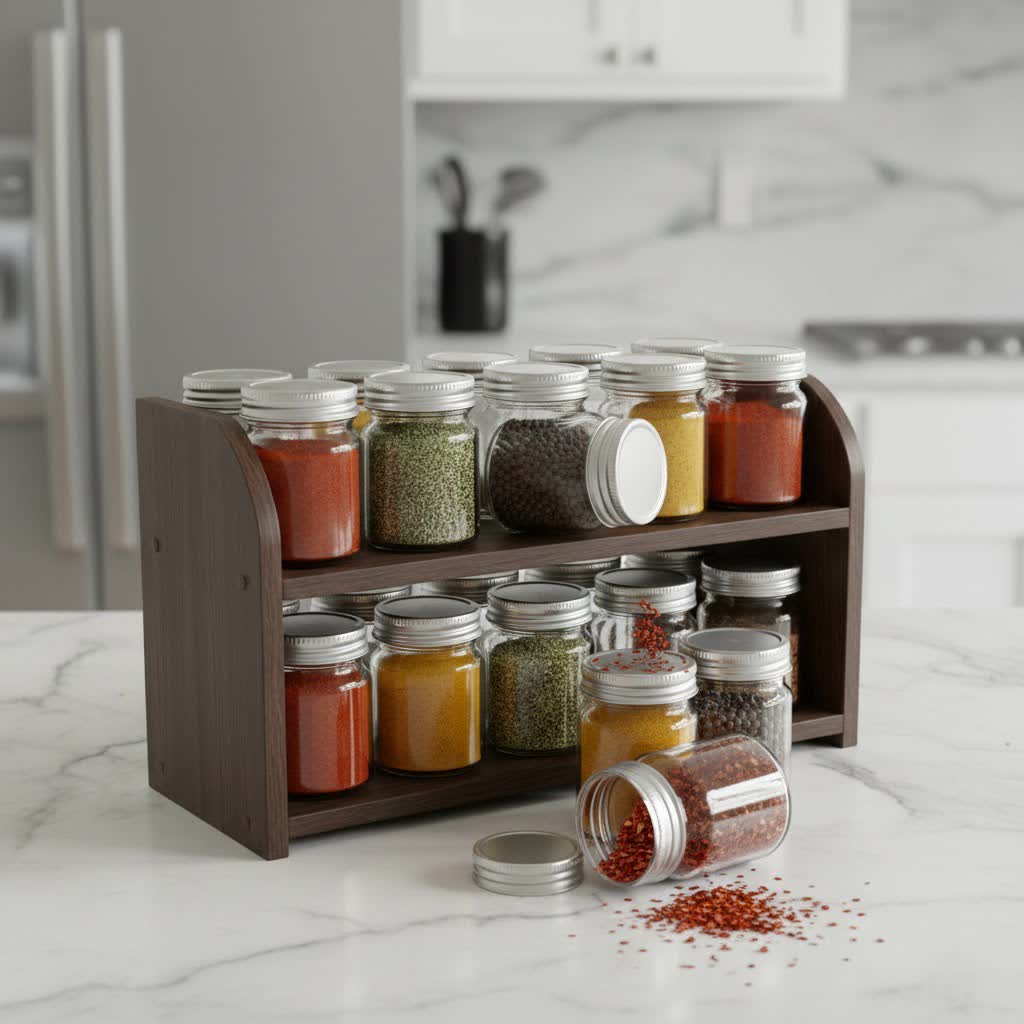
This comprehensive guide is designed to empower you with simple, effective DIY methods to waterproof your spice rack labels, ensuring they withstand the rigors of your kitchen. By embracing these techniques, you’ll not only protect your labels from moisture and wear but also maintain a beautifully organized and functional spice collection for years to come. Say goodbye to blurry names and peeling edges, and hello to durable, legible labels that truly enhance your culinary experience.
The Problem with Unprotected Spice Rack Labels
The kitchen is a hotbed of moisture, from boiling pots and steaming dishes to routine wiping and occasional spills. Traditional paper labels, while charming, are simply not built to withstand these conditions. Ink can run, colors can fade, and the paper itself can warp, wrinkle, and eventually peel off entirely. This breakdown doesn’t just look messy; it can lead to confusion, wasting precious cooking time as you struggle to distinguish between similar-looking spices. An unprotected label system undermines the very purpose of organization, turning your efforts into a fleeting success.
Key Materials for DIY Waterproofing
Before diving into the methods, gather your essential supplies. The specific items will vary slightly depending on your chosen technique, but generally, you’ll need your printed labels (either on regular paper or pre-made waterproof stock), protective materials, and application tools. A clean, well-ventilated workspace is also crucial for safe and effective DIY crafting.
Method 1: The Clear Overcoat Spray Technique
One of the most straightforward ways to waterproof your spice labels is by applying a clear protective spray. This method creates a durable, transparent barrier over your printed labels, shielding them from moisture and general wear.
- What it is: This technique involves using a clear acrylic sealant or gloss overcoat spray, readily available at most hardware or craft stores. These sprays dry to a hard, protective finish that repels water.
- Pros: Clear overcoat sprays are easy to apply to multiple labels simultaneously, offering good protection with minimal effort. They can also provide an attractive glossy or matte finish, depending on your preference.
- Cons: Achieving an even coat requires practice, and improper application can result in drips or an “orange peel” texture. Ventilation is essential due to fumes, and drying times must be strictly observed.
How-to Steps for Clear Overcoat Spray:
- Print and Dry Labels: Print your desired spice labels onto regular sticker paper or cardstock. Ensure the ink is completely dry before proceeding, as wet ink will smudge.
- Prepare Workspace: Move to a well-ventilated area, such as outdoors or near an open window. Lay down newspaper or a drop cloth to protect your surfaces. Arrange your labels in a single layer.
- Apply First Coat: Shake the spray can thoroughly. Holding it 8-12 inches away from the labels, apply a light, even coat using a sweeping motion. Avoid oversaturating.
- Allow to Dry: Let the first coat dry completely according to the product instructions (usually 15-30 minutes).
- Apply Subsequent Coats: Apply 1-2 additional thin coats, allowing each to dry fully between applications. Multiple thin coats provide better protection and a smoother finish than one thick coat.
- Cure Time: For maximum durability, allow the labels to cure for at least 24 hours before handling or applying them to your spice jars.
Method 2: Lamination with Clear Film or Contact Paper
Laminating your spice labels with clear film or contact paper offers a robust physical barrier, making them highly resistant to water, oils, and physical abrasion. This method essentially encases your label in a protective layer.
- What it is: This involves applying a self-adhesive clear film, often sold as contact paper, laminating sheets, or clear vinyl. It creates an extra layer of plastic that is impermeable to liquids.
- Pros: Lamination provides excellent durability and a very strong physical barrier against all types of kitchen hazards. It’s also an affordable method, especially if using standard contact paper.
- Cons: Applying clear film without trapping air bubbles can be challenging, requiring a steady hand and patience. Precision cutting is also necessary for a neat finish.
How-to Steps for Clear Film Lamination:
- Print and Dry Labels: Print your labels on standard paper or sticker paper, and allow the ink to dry completely.
- Cut Film: Cut a piece of clear adhesive film or contact paper that is slightly larger than your printed label on all sides. This extra margin will help ensure a full seal.
- Position Label: Carefully peel back a small portion of the film’s backing and align your printed label face-up onto the exposed adhesive.
- Apply Film Smoothly: Slowly and carefully press the film down over the entire label, gradually peeling off the backing as you go. Use a credit card, ruler, or a smoothing tool to press out any air bubbles, working from the center outwards.
- Trim Excess: Once the film is fully applied and smooth, use sharp scissors or a craft knife to trim the excess film around the label, leaving a small, even border for a complete seal.
- Cure and Apply: Allow the adhesive to bond for a few hours before applying the labels to your spice jars.
Method 3: Choosing Pre-made Waterproof Sticker Paper
For the easiest and often most professional-looking result, consider printing your labels directly onto pre-made waterproof sticker paper. These specialized papers are designed to resist water from the outset.
- What it is: This method utilizes synthetic, waterproof label sheets specifically formulated for inkjet or laser printers. The material itself, typically vinyl or polyester, is inherently water-resistant.
- Pros: This is arguably the easiest and most convenient method, requiring no additional waterproofing steps after printing. It offers a very professional finish and superior durability.
- Cons: Waterproof sticker paper is generally more expensive than regular paper. You must ensure you purchase the correct type (inkjet waterproof paper for inkjet printers, laser waterproof paper for laser printers) to prevent smudging and ensure proper ink adhesion.
How-to Steps for Pre-made Waterproof Sticker Paper:
- Design Labels: Create your spice label designs using design software or online templates.
- Select Paper: Purchase waterproof sticker paper specifically compatible with your printer (inkjet or laser).
- Optimize Printer Settings: Load the waterproof paper into your printer. In your printer settings, select “photo paper” or “heavy paper” and set the print quality to “high” or “best” for optimal ink adhesion and vibrancy.
- Print Labels: Print your labels directly onto the waterproof sticker paper.
- Cut and Apply: Once printed and dried (which is usually quick for these materials), carefully cut out each label. Ensure your spice jars are clean and dry, then peel and stick your new waterproof labels.
- Initial Bond: Allow the labels to bond to the jars for at least 3 hours before exposing them to moisture or washing the jars.
So Sánh Các Phương Pháp Chống Thấm Nước Cho Nhãn Gia Vị DIY
Choosing the right waterproofing method depends on your priorities, budget, and desired outcome. Here’s a comparison to help you decide:
| Feature | Clear Overcoat Spray | Clear Film Lamination | Pre-made Waterproof Paper |
|---|---|---|---|
| Durability | Good resistance to splashes and humidity. | Excellent, strong physical barrier against water and wear. | Excellent, inherently designed for wet environments. |
| Ease of Use | Moderate; requires good ventilation and even spraying. | Moderate; can be tricky to apply without bubbles. | Easiest; print, cut, and stick. |
| Cost | Moderate; cost of spray can. | Low (for contact paper) to moderate (laminating sheets). | Higher; specialized paper costs more than regular. |
| Finish | Can be glossy or matte, depending on product. | Typically clear and glossy, creating a smooth surface. | Diverse options, from matte to glossy, clear to white. |
| Tools Needed | Spray can, protective covering. | Clear film/contact paper, scissors, smoothing tool. | Printer, appropriate waterproof sticker paper. |
Essential Tips for Flawless Application
Regardless of the waterproofing method you choose, a few universal tips will ensure your spice labels look their best and last the longest. These details can make all the difference in the longevity and appearance of your DIY project.
- Surface Preparation is Key: Always clean your spice jars thoroughly with rubbing alcohol before applying any labels. This removes any grease, oil, or residue that could interfere with the adhesive, ensuring maximum bond and preventing premature peeling. Make sure the jars are completely dry before application.
- Allow Adequate Drying Time: Whether it’s the ink on your labels or the protective spray you’ve applied, patience is crucial. Rushing the drying process can lead to smudging, incomplete waterproofing, or a weakened bond. Always follow product instructions for drying and curing times.
- Smooth Application Technique: When applying laminated film or pre-made sticker labels, work slowly and use a credit card or a dedicated smoothing tool to press out any air bubbles as you go. Start from one edge or the center and work your way outwards for a seamless finish.
Enhancing Your Spice Rack Organization
Beyond waterproofing, thoughtful organization elevates your spice rack from functional to truly fantastic. Clearly legible, durable labels are the cornerstone of an efficient spice collection. Consider using a consistent font and size for all your labels for a uniform, professional look. Categorizing your spices (e.g., baking, savory, blends) can also streamline your cooking process.
Where to Source Your DIY Waterproofing Supplies
Finding the right materials is typically easy. You can find clear overcoat sprays and contact paper at local hardware stores, craft stores, and major retailers. For specialized waterproof sticker paper, online retailers like Amazon, OnlineLabels, and Avery are excellent resources, offering a wide variety of finishes and sizes tailored for both inkjet and laser printers. Don’t hesitate to compare prices and read reviews to find the best options for your needs.
Maintaining Your Waterproofed Spice Labels
While waterproofed labels are significantly more durable, a little care goes a long way in extending their lifespan. When cleaning your spice jars, gently wipe the labels with a damp cloth. Avoid harsh abrasive cleaners or scrubbing brushes, as these can still damage the protective layer or the label’s adhesive over time. Handwashing is generally recommended over dishwashers, as the high heat and strong detergents can eventually degrade even the toughest waterproofing.
Buying Guide: What to Look For
When considering materials for your DIY waterproof spice labels, keep these factors in mind to ensure you choose the best solution for your kitchen:
- Durability: Prioritize materials known for their resistance to moisture, oils, and general wear and tear. Vinyl and polyester-based materials or strong acrylic sealants offer superior protection.
- Adhesion: The adhesive quality is crucial, especially in humid kitchen environments. Look for strong, permanent adhesives designed for glass, plastic, or ceramic surfaces.
- Compatibility: If you’re using pre-made waterproof paper, ensure it’s compatible with your home printer (inkjet or laser). Using the wrong type can lead to poor print quality or smudging.
- Finish: Decide between a glossy, matte, or clear finish based on your aesthetic preference. Glossy finishes often offer a bit more protection against liquids, while matte finishes can reduce glare.
Conclusion
Transforming your spice rack from a source of frustration to a beacon of organization is a rewarding DIY project, and waterproofing your labels is the secret ingredient to its lasting success. By choosing from clear overcoat sprays, laminating films, or pre-made waterproof sticker paper, you can create durable, legible labels that withstand the demands of any bustling kitchen. These simple techniques not only protect your precious spice names from smudges and peels but also elevate the overall aesthetic and efficiency of your culinary space.
Ready to take control of your spice collection and add a touch of professional polish? Which waterproofing method will you try first to ensure your spice labels stay clear and vibrant for every meal?
Frequently Asked Questions
Can I use regular paper labels and just spray them with a clear coat?
|
Our Picks for the Best Spice rack in 2026
As an Amazon Associate I earn from qualifying purchases.
|
||
| Num | Product | Action |
|---|---|---|
| 1 | LYNK PROFESSIONAL® Pull Out Spice Organization for Cabinets - 4-3/8 inch Wide – Spice Rack for Inside Cabinets, Slide Out Spice Rack Organizer for cabinet – Pull Out Spice Rack, Sliding 2 Tier Chrome |

|
| 2 | Copco Non-Skid 3-Tier Spice Rack Organizer for Cabinet - 10 Inch Kitchen Pantry Organizer with Raised Rims, White and Gray Step Shelf for Spices, Cans, Jars - Easy Clean Storage Solution |
|
| 3 | Pull Out Spice Rack Organizer for Cabinet, 3 Packs Slide Out Spice Racks Organizer, Spice Cabinet Organizers, Cabinet Size Need:12'' Highx11'' Deepx5'' Wide,Each Tier Hold 10 Spice Jar - 2 Tier, Black |
|
| 4 | Spice Rack Kitchen Cabinet Organizer- 3 Tier Bamboo Expandable Display Shelf Yellow |
|
| 5 | Kamenstein 20 Jar Revolving Countertop Spice Rack with Spices Included, FREE Spice Refills for 5 Years, Polished Stainless Steel with Black Caps, 30020 |
|
| 6 | SpaceAid Bamboo Pull Out Spice Rack Organizer for Cabinet, Heavy Duty Slide Out Seasoning Kitchen Pantry Sliding Vertical Organization, 7.6" Wide, 3 Drawers(2" Wide), 2-Tier, Natural |
|
| 7 | Bunoxea Spice Rack Wall Mounted 4 Pack,Space-Saving Spice Organizer for Spice Jars and Seasonings,Screw or Adhesive Hanging Spice Rack Organizer for Your Kitchen Cabinet,Pantry Door,11.41x2.75x2.75in |
|
| 8 | LAMU 2 Tier Lazy Susan Turntable Organizer 9.25'' Rotating Spice Rack Organization for Cabinet, Kitchen, Pantry, Countertop, Bathroom, Vanity, Medicine Cabinet Organizer, Clear |
|
| 9 | Orii 20 Jar Rotating Spice Rack with Spices Included & 5-Year Free Spice Refill Program – Stainless Steel Countertop Spice Rack with 3 oz Glass Jars |
|
| 10 | Sevenblue 4 Pack Strong Magnetic Spice Rack for Refrigerator, Multipurpose Magnetic Shelf for Fridge with 4 Hooks for Kitchen and Bathroom Organization, Black |
|
Yes, absolutely! This is one of the most popular DIY methods. Print your labels on standard paper, allow the ink to dry completely, and then apply several thin, even coats of a clear acrylic sealant or gloss spray. This will create a protective, water-resistant barrier.
Will DIY waterproof labels peel off in the dishwasher?
While DIY waterproof labels offer significant protection against moisture, most are best suited for handwashing. The high heat, prolonged exposure to water, and strong detergents in a dishwasher can eventually degrade the adhesive or the waterproofing layer, causing them to peel. Gentle hand cleaning is recommended.
What’s the best type of printer for waterproof labels?
Both inkjet and laser printers can be used. For inkjet printers, ensure you use waterproof inkjet sticker paper or apply a protective spray/lamination, as inkjet ink is water-soluble. Laser printers use toner, which is inherently more water-resistant, making laser waterproof paper an excellent choice for maximum durability.
How long do DIY waterproof labels typically last?
With proper application and maintenance, DIY waterproof labels can last anywhere from several months to several years. Factors like the chosen waterproofing method, the quality of materials, how often the jars are handled and cleaned, and the kitchen environment (e.g., humidity levels) all influence their lifespan.
Are the waterproofing sprays or films safe for use in food contact areas?
Generally, once cured, most clear acrylic sprays and laminating films are considered safe for indirect food contact, meaning they are fine on the exterior of spice jars. However, they are not designed for direct contact with food. Always ensure the product is fully dry and cured before use, and refer to the specific product’s safety information if you have concerns.