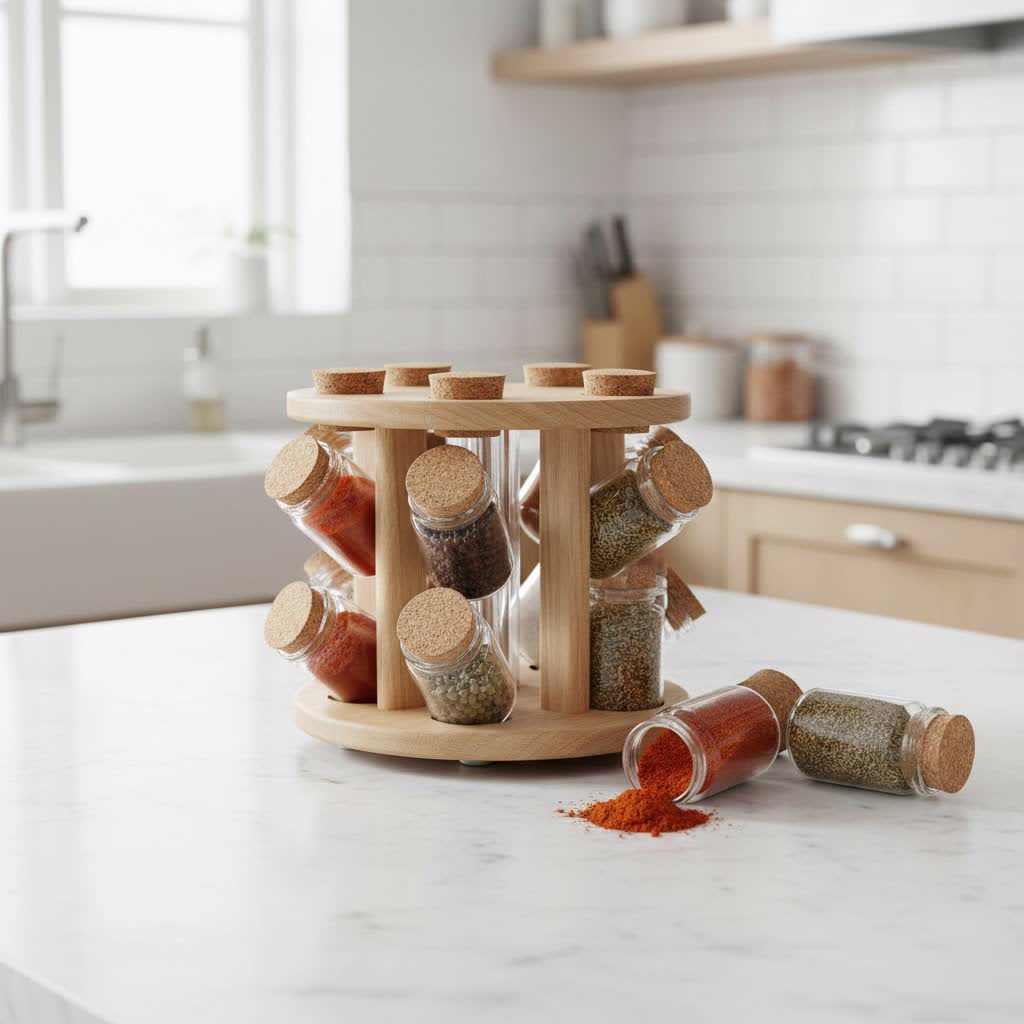
Stepping into a kitchen should inspire creativity, not a treasure hunt for cumin. For any home cook or culinary enthusiast, a well-organized spice collection is the secret ingredient to efficient, enjoyable cooking. It saves precious minutes, prevents duplicate purchases, and ensures your dishes are always bursting with fresh, vibrant flavors. But with an array of methods available, how do you decide the best way to arrange your aromatic arsenal? Two popular strategies stand out: the straightforward alphabetical order and the recipe-friendly cuisine-based grouping. Let’s delve into these approaches to help you discover the perfect system for your culinary haven.
The Heart of the Kitchen: Why Spice Organization Matters
An organized spice collection does more than just look tidy; it fundamentally transforms your cooking experience. Imagine effortlessly grabbing the exact spice you need, precisely when inspiration strikes. This efficiency reduces stress, accelerates meal preparation, and allows you to focus on the art of cooking itself. Beyond convenience, proper organization also helps preserve the potency and freshness of your spices by encouraging regular rotation and visibility, ultimately preventing waste and ensuring every dish achieves its full flavor potential.
The Orderly Approach: Arranging Spices Alphabetically
For many, the alphabetical arrangement is the epitome of clear, systematic organization. By lining up your spices from Anise to Za’atar, you create a universal language for your collection.
How It Works
|
Our Picks for the Best Spice rack in 2026
As an Amazon Associate I earn from qualifying purchases.
|
||
| Num | Product | Action |
|---|---|---|
| 1 | Copco Non-Skid 3-Tier Spice Rack Organizer for Cabinet - 10 Inch Kitchen Pantry Organizer with Raised Rims, White and Gray Step Shelf for Spices, Cans, Jars - Easy Clean Storage Solution |

|
| 2 | SpaceAid Bamboo Pull Out Spice Rack Organizer for Cabinet, Heavy Duty Slide Out Seasoning Kitchen Pantry Sliding Vertical Organization, 7.6" Wide, 3 Drawers(2" Wide), 2-Tier, Natural |
|
| 3 | Kamenstein 20 Jar Revolving Countertop Spice Rack with Spices Included, FREE Spice Refills for 5 Years, Polished Stainless Steel with Black Caps, 30020 |
|
| 4 | Pull Out Spice Rack Organizer for Cabinet, 3 Packs Slide Out Spice Racks Organizer, Spice Cabinet Organizers, Cabinet Size Need:12'' Highx11'' Deepx5'' Wide,Each Tier Hold 10 Spice Jar - 2 Tier, Black |
|
| 5 | Sevenblue 4 Pack Strong Magnetic Spice Rack for Refrigerator, Multipurpose Magnetic Shelf for Fridge with 4 Hooks for Kitchen and Bathroom Organization, Black |
|
| 6 | Bunoxea Spice Rack Wall Mounted 4 Pack,Space-Saving Spice Organizer for Spice Jars and Seasonings,Screw or Adhesive Hanging Spice Rack Organizer for Your Kitchen Cabinet,Pantry Door,11.41x2.75x2.75in |
|
| 7 | LAMU 2 Tier Lazy Susan Turntable Organizer 9.25'' Rotating Spice Rack Organization for Cabinet, Kitchen, Pantry, Countertop, Bathroom, Vanity, Medicine Cabinet Organizer, Clear |
|
| 8 | Orii 20 Jar Rotating Spice Rack with Spices Included & 5-Year Free Spice Refill Program – Stainless Steel Countertop Spice Rack with 3 oz Glass Jars |
|
| 9 | LYNK PROFESSIONAL® Pull Out Spice Organization for Cabinets - 4-3/8 inch Wide – Spice Rack for Inside Cabinets, Slide Out Spice Rack Organizer for cabinet – Pull Out Spice Rack, Sliding 2 Tier Chrome |
|
| 10 | Spice Rack Kitchen Cabinet Organizer- 3 Tier Bamboo Expandable Display Shelf Yellow |
|
This method is as simple as it sounds: every spice, herb, or blend is arranged in A-Z order. This system usually works best when labels are clearly visible, especially on the tops of jars if stored in drawers, or on the front if displayed on shelves.
Pros
- Effortless Location: If you know the name of a spice, finding it is incredibly fast and intuitive. This eliminates guesswork, making it a favorite for those who prioritize quick retrieval.
- Universal Understanding: Anyone who cooks in your kitchen – family members, guests, or even a child helping out – can easily locate a specific spice without needing to understand your personal culinary logic.
- Ideal for Large Collections: For extensive spice inventories, an alphabetical system provides a clear framework that prevents items from getting lost or forgotten in the back of a cabinet.
- Simplified Inventory: Identifying what you have and what you need to restock becomes a straightforward task when everything is systematically ordered.
Cons
- Less Intuitive for Recipe Flow: When cooking a specific dish, you might find yourself moving back and forth across your collection as recipes often call for several spices that are not alphabetically adjacent (e.g., cumin, coriander, and turmeric for an Indian curry).
- Frequent Use Challenges: If a particular spice like salt or pepper is used constantly, it might end up in the middle or back of your alphabetical order, requiring more effort to access repeatedly.
Best For
Bakers, who often use individual spices like cinnamon, nutmeg, and ginger across various recipes, find alphabetical order highly effective. It’s also excellent for households with multiple cooks and those who boast an extensive, diverse spice collection.
The Culinary Journey: Arranging Spices by Cuisine
For cooks who often immerse themselves in specific culinary traditions, organizing spices by cuisine can feel like a natural extension of their cooking style. This method groups flavors that naturally complement each other.
How It Works
With this approach, you categorize your spices into “zones” based on the cuisine they are most frequently used in. Common categories include Italian, Mexican, Indian, Asian, and Mediterranean, among others. For example, your “Italian” section might include oregano, basil, thyme, and rosemary.
Pros
- Streamlined Recipe Preparation: When you’re making a batch of tacos, you can simply reach for your “Mexican” section and have all the necessary chili powder, cumin, and smoked paprika readily at hand. This significantly speeds up the cooking process for themed meals.
- Harmonious Flavor Pairing: This method fosters an understanding of flavor profiles and how different spices combine within a cuisine, which can enhance your culinary intuition.
- Focused Collections: It’s particularly efficient for cooks who tend to specialize in a few specific cuisines, as it keeps their frequently used spice groups together.
Cons
- Overlap Confusion: Many spices are versatile and used in multiple cuisines (e.g., cumin in both Indian and Mexican dishes). This can lead to difficult decisions about where a spice belongs or, worse, duplicate purchases.
- Less Flexible for Diverse Cooking: If you enjoy experimenting with a wide array of global dishes, a rigid cuisine-based system can become cumbersome, requiring you to navigate multiple sections for a single recipe.
- Scalability Issues: As your culinary interests expand and you accumulate spices from new regions, integrating them into an existing cuisine-based system can be challenging.
Best For
Cooks who regularly prepare meals from a few distinct culinary traditions, such as a family that loves Italian, Mexican, and classic American dishes, will find this method highly intuitive and efficient.
Alphabetical vs. Cuisine: A Head-to-Head Comparison
To help you visualize which system aligns best with your kitchen habits, let’s compare these two popular methods side-by-side.
| Feature | Alphabetical Arrangement | Cuisine-Based Arrangement |
|---|---|---|
| Ease of Finding | High (if you know the spice name) | High (if cooking a specific cuisine) |
| Cooking Flow | Can require more movement across collection | Highly efficient for themed cooking |
| Collection Size | Excellent for large, diverse collections | Better for focused collections, can be limiting |
| Flexibility | High (easy to add new spices) | Can be challenging with overlapping spices |
| User Friendliness | Universal, requires knowing names | Best for experienced cooks with specific habits |
| Learning Curve | Very low | Requires knowledge of flavor pairings by cuisine |
Beyond the Basics: Hybrid and Alternative Spice Organization Methods
The world of spice organization isn’t limited to just two options. Many cooks find success by blending aspects of different systems or adopting alternative methods that better suit their unique needs.
By Frequency of Use
This practical method prioritizes accessibility. Keep your most frequently used spices (think salt, pepper, garlic powder, onion powder) front and center, perhaps on a small counter caddy or the most accessible shelf. Less commonly used or specialty spices can then be stored further back or in a separate, less prominent area. This saves valuable time during daily meal preparation.
By Type or Category
Another popular approach is to group spices by their inherent characteristics or culinary role. Common categories include:
- Herbs: Basil, oregano, thyme, rosemary
- Ground Spices: Cumin powder, coriander powder, turmeric
- Whole Spices: Cumin seeds, coriander seeds, star anise, cinnamon sticks
- Sweet Spices: Cinnamon, nutmeg, allspice, cloves (often used for baking)
- Savory Spices: Paprika, garlic powder, onion powder
- Spicy Spices: Cayenne pepper, chili flakes, black pepper
This method can be particularly helpful for visually differentiating similar-looking powders and ensuring you grab the right one for your recipe.
Combining Methods: The Hybrid Approach
For many, the most effective system is a personalized hybrid. You might keep your everyday staples organized by frequency, then arrange your baking spices alphabetically in a dedicated drawer, and finally group your international spices by cuisine in a cabinet. For instance, a common hybrid system involves grouping spices by broad categories (e.g., baking, savory, international) and then alphabetizing within those categories. This “alphabetical by theme” approach offers both intuitive discovery and logical grouping.
“The best spice organization system is the one you’ll actually maintain. Whether it’s alphabetical, by cuisine, or a clever hybrid, consistency is key to a functional and enjoyable kitchen.” – Chef Elena Rodriguez, Culinary Arts Instructor
Choosing Your Perfect Spice Organization System
The “best” way to organize your spices isn’t universal; it’s deeply personal and depends on several factors unique to your cooking style and kitchen.
Assess Your Cooking Style
- Diverse Chef: If you frequently cook a wide range of cuisines, a strictly cuisine-based system might prove frustrating due to overlaps. Alphabetical or a hybrid might offer more flexibility.
- Cuisine Specialist: If you primarily focus on one or two types of cuisine, a cuisine-based approach will likely be incredibly efficient and intuitive for you.
- Baking Enthusiast: Bakers often use individual spices across many recipes rather than specific “cuisine” blends. An alphabetical system, possibly within a “baking” category, could be ideal.
- Everyday Cook: If you rely on a core set of spices daily, prioritizing those by frequency of use might be your most pragmatic solution.
Evaluate Your Spice Collection Size
- Small Collection: With only a dozen or so spices, any method will likely work. Focus on accessibility and freshness.
- Large Collection: Extensive collections benefit greatly from clear, systematic organization. Alphabetical or a well-defined hybrid approach can prevent chaos.
Consider Your Kitchen Layout and Available Storage
- Drawers: Labeling the tops of jars is essential for drawer storage. Drawer inserts can keep jars from rolling and maintain order.
- Cabinets: Tiered risers or rotating lazy Susans maximize visibility and access in deep cabinets.
- Pantry: Larger pantries can accommodate more elaborate systems, potentially with separate zones for different categories.
- Countertop: For frequently used spices, a small, accessible countertop rack might be ideal, but be mindful of heat and light exposure.
Essential Tools and Tips for Spice Organization
Once you’ve decided on your preferred method, the right tools and habits will ensure your system is sustainable and effective.
Uniform Containers
Decanting your spices into matching jars creates a visually cohesive and aesthetically pleasing collection. More importantly, uniform containers make stacking, storing, and seeing your inventory much easier. Look for jars with airtight seals to keep spices fresh longer.
Clear and Consistent Labels
Regardless of your chosen arrangement, clear labeling is non-negotiable.
- For Drawers: Labels on the tops of jars are critical for quick identification.
- For Shelves/Racks: Labels on the front of jars ensure visibility.
- Legibility: Use a consistent font or handwriting style. Consider adding expiration dates to the bottom or back of jars to track freshness.
Smart Storage Solutions
Invest in tools that optimize your space and accessibility:
- Drawer Inserts: Slanted inserts keep jars neatly in rows and titles visible, preventing them from rolling around.
- Tiered Risers: These multi-level shelves lift back rows of spices, ensuring everything is visible without needing to move jars.
- Lazy Susans (Turntables): Perfect for corner cabinets or deep pantries, allowing you to spin and access spices easily.
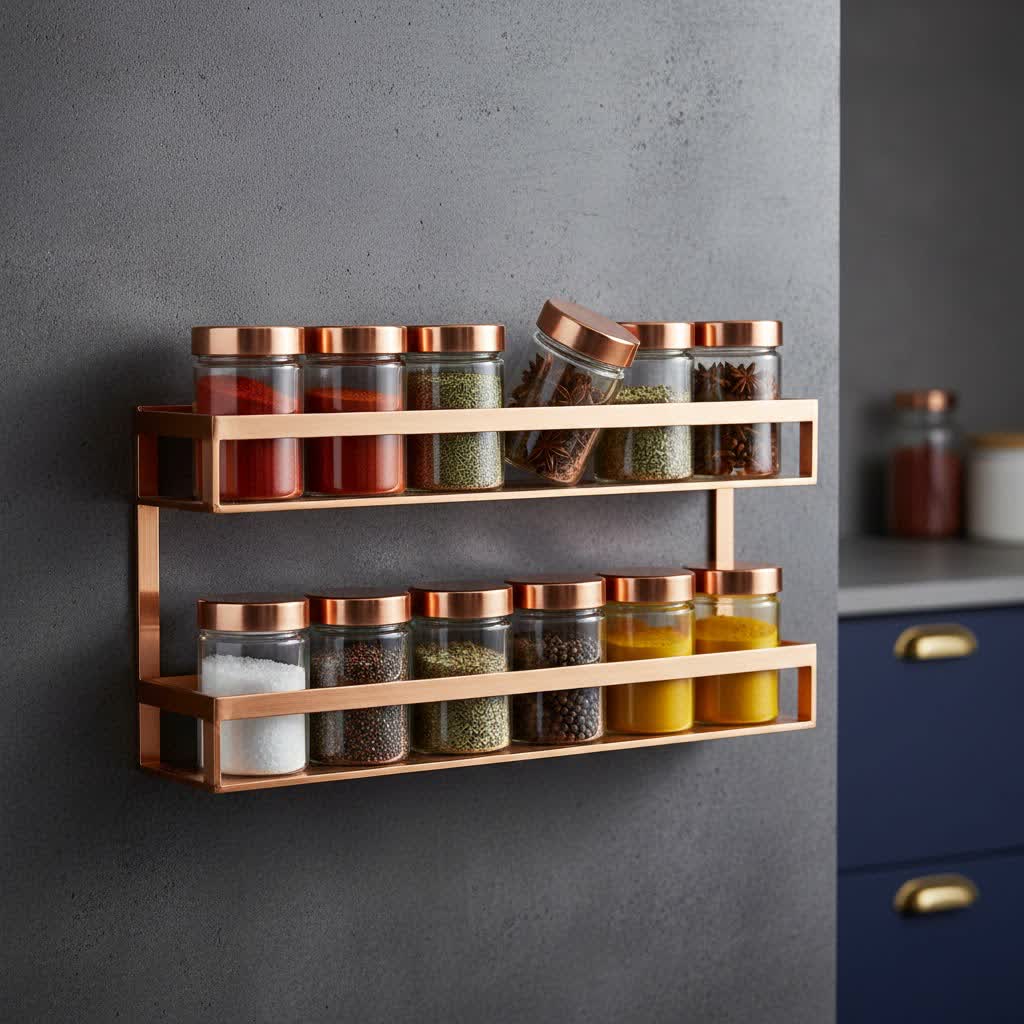
- Wall-Mounted Racks: Free up counter and cabinet space while keeping spices readily available.
- Magnetic Jars: Great for small kitchens, these can attach to the side of a refrigerator or a magnetic board.
Maintenance and Freshness
An organized spice collection is a living system that requires occasional attention.
- Regular Inventory: Periodically take stock of your spices. This helps you identify what needs replacing and prevents you from buying duplicates.
- Check Expiration Dates: Spices lose their potency over time. Ground spices generally last 1-2 years, while whole spices can last up to 4 years. Sniff test: if a spice lacks aroma, it’s time to replace it.
- Rotate Stock: When you buy new spices, place them behind older ones of the same type. This “first in, first out” method ensures you use spices before they lose their flavor.
- Proper Storage Environment: Always store spices in a cool, dark, dry place, away from direct sunlight and heat sources like the stove or oven, which can degrade their quality.
Conclusion: Crafting Your Harmonious Spice Sanctuary
Whether you meticulously line them up from A to Z or group them into global culinary categories, the goal of spice organization remains the same: to enhance your joy and efficiency in the kitchen. There’s no single “right” answer when it comes to arranging your spices; the ideal method is a reflection of your unique cooking style, collection size, and kitchen layout. By thoughtfully considering the pros and cons of alphabetical, cuisine-based, and hybrid approaches, and by utilizing smart storage solutions and consistent maintenance, you can transform a chaotic collection into a harmonious, functional spice sanctuary. Take the first step today – a well-organized spice collection isn’t just about tidiness; it’s about unlocking a world of flavor and making every culinary endeavor a seamless, delightful experience.
Frequently Asked Questions
What is the most efficient way to store spices?
The most efficient way to store spices depends on your cooking habits and kitchen space. For many, a combination of methods works best, such as keeping frequently used spices easily accessible, while organizing the rest alphabetically in drawers or by cuisine in a cabinet. Uniform jars and clear labels are crucial for any efficient system.
How do I prevent spices from expiring quickly?
To prevent spices from expiring quickly, store them in airtight containers in a cool, dark, and dry place, away from heat sources like stoves and direct sunlight. Regularly check expiration dates and perform a “sniff test”—if a spice no longer has a strong aroma, its flavor has diminished, and it’s time for replacement.
Should I use uniform spice jars?
Yes, using uniform spice jars is highly recommended. Matching jars create a clean, aesthetically pleasing look and, more importantly, maximize storage space by allowing for efficient stacking or arrangement in drawers. They also provide a consistent surface for clear labeling, making it easier to identify spices at a glance.
What are the best storage solutions for a small kitchen?
For small kitchens, space-saving spice storage solutions are key. Consider wall-mounted racks, magnetic jars that attach to your refrigerator, drawer inserts that keep jars flat, or slim pull-out pantries. Utilizing vertical space and cabinet doors with hanging racks can also free up valuable counter and drawer space.