Do you find yourself rummaging through a cluttered cabinet, desperately searching for that elusive pinch of paprika, only to discover you already own three half-empty jars? A disorganized spice collection can turn the joy of cooking into a frustrating chore, leading to wasted ingredients, lost flavors, and a chaotic kitchen. But fear not, transforming your spice situation is simpler than you think. This guide will reveal the most common mistakes people make when organizing their spices and provide actionable solutions to create a system that’s both efficient and aesthetically pleasing.
Ignoring the Expiration Dates (and the Power of a Purge)
|
Our Picks for the Best Spice rack in 2026
As an Amazon Associate I earn from qualifying purchases.
|
||
| Num | Product | Action |
|---|---|---|
| 1 | LAMU 2 Tier Lazy Susan Turntable Organizer 9.25'' Rotating Spice Rack Organization for Cabinet, Kitchen, Pantry, Countertop, Bathroom, Vanity, Medicine Cabinet Organizer, Clear |

|
| 2 | Bunoxea Spice Rack Wall Mounted 4 Pack,Space-Saving Spice Organizer for Spice Jars and Seasonings,Screw or Adhesive Hanging Spice Rack Organizer for Your Kitchen Cabinet,Pantry Door,11.41x2.75x2.75in |
|
| 3 | Pull Out Spice Rack Organizer for Cabinet, 3 Packs Slide Out Spice Racks Organizer, Spice Cabinet Organizers, Cabinet Size Need:12'' Highx11'' Deepx5'' Wide,Each Tier Hold 10 Spice Jar - 2 Tier, Black |
|
| 4 | SpaceAid Bamboo Pull Out Spice Rack Organizer for Cabinet, Heavy Duty Slide Out Seasoning Kitchen Pantry Sliding Vertical Organization, 7.6" Wide, 3 Drawers(2" Wide), 2-Tier, Natural |
|
| 5 | Spice Rack Kitchen Cabinet Organizer- 3 Tier Bamboo Expandable Display Shelf Yellow |
|
| 6 | LYNK PROFESSIONAL® Pull Out Spice Organization for Cabinets - 4-3/8 inch Wide – Spice Rack for Inside Cabinets, Slide Out Spice Rack Organizer for cabinet – Pull Out Spice Rack, Sliding 2 Tier Chrome |
|
| 7 | Copco Non-Skid 3-Tier Spice Rack Organizer for Cabinet - 10 Inch Kitchen Pantry Organizer with Raised Rims, White and Gray Step Shelf for Spices, Cans, Jars - Easy Clean Storage Solution |
|
| 8 | Kamenstein 20 Jar Revolving Countertop Spice Rack with Spices Included, FREE Spice Refills for 5 Years, Polished Stainless Steel with Black Caps, 30020 |
|
| 9 | Sevenblue 4 Pack Strong Magnetic Spice Rack for Refrigerator, Multipurpose Magnetic Shelf for Fridge with 4 Hooks for Kitchen and Bathroom Organization, Black |
|
| 10 | Orii 20 Jar Rotating Spice Rack with Spices Included & 5-Year Free Spice Refill Program – Stainless Steel Countertop Spice Rack with 3 oz Glass Jars |
|
One of the most frequent missteps in spice organization is holding onto expired or rarely used spices. While spices don’t “go bad” in the traditional sense, they certainly lose their potency, aroma, and flavor over time. Ground spices typically last 2-3 years, whole spices 3-4 years, and dried herbs 1-3 years. Cooking with flavorless spices can significantly detract from your culinary efforts, leaving dishes bland and uninspired.
To rectify this, begin by performing a thorough purge. Remove every single spice container from your cabinets or drawers. Check the expiration dates on each jar. If there isn’t one, or if you suspect a spice is past its prime, perform a “sniff test.” If the aroma is faint or nonexistent, it’s time to say goodbye. This initial decluttering step immediately creates more space and ensures that every spice remaining in your collection is vibrant and ready for use.
Choosing the Wrong Storage Location
The placement of your spices is crucial for maintaining their freshness and extending their shelf life. A common mistake is storing spices in locations exposed to heat, light, or moisture. This includes above the stove, next to a window, or even on a decorative rack directly exposed to sunlight. Heat, light, and humidity are the enemies of spice potency, accelerating the breakdown of their volatile oils and diminishing their flavor profile.
The ideal environment for spices is a cool, dark, and dry place. Consider a pantry, a cabinet away from the oven and stovetop, or a drawer. Storing them in such conditions helps preserve their essential oils, ensuring that your cumin tastes like cumin and your thyme retains its herbaceous punch.
Using Inconsistent or Unsuitable Containers
A collection of mismatched spice jars, some plastic, some glass, some tall, some short, can quickly lead to disarray and wasted space. Furthermore, containers that aren’t airtight allow air and moisture to seep in, compromising the freshness of your spices. Many store-bought spices come in thin plastic containers that aren’t designed for long-term storage once opened.
The solution lies in uniformity and functionality. Investing in a set of clear, airtight glass spice jars can revolutionize your collection. Clear jars allow you to quickly identify spices at a glance, while uniform sizes make stacking and arranging much more efficient, creating a clean, cohesive look. Airtight lids are paramount for sealing in flavor and keeping moisture out.
“The right container is more than just pretty; it’s a shield for flavor. An airtight seal and opaque glass can make a world of difference in your spice’s longevity.” – Chef Anya Sharma, Culinary Educator.
Neglecting Proper Labeling
Imagine grabbing what you think is oregano, only to discover halfway through cooking that it’s actually dried mint. Poor or absent labeling is a recipe for kitchen confusion and wasted time. Relying solely on the visual appearance of a spice or trying to decipher faded, handwritten labels is a common pitfall.
Effective labeling is key to an organized spice collection. Use clear, legible labels for each jar, prominently displaying the spice’s name. For an extra layer of organization and freshness tracking, consider adding the date of purchase or the expiration date. This ensures quick identification during busy cooking sessions and helps you keep tabs on freshness for future purges.
Lack of a Coherent Organization System
Simply throwing spices into a cabinet without a system is a sure path to chaos. When jars are piled haphazardly, finding what you need becomes a frustrating archaeological dig, often resulting in duplicates bought out of sheer inability to locate the original.
Establishing a coherent organization system is vital. Popular methods include:
- Alphabetical order: Easy to locate if you know the name.
- By frequency of use: Keep everyday spices within arm’s reach.
- By cuisine type: Grouping spices commonly used in Indian, Mexican, or Italian dishes can streamline meal prep.
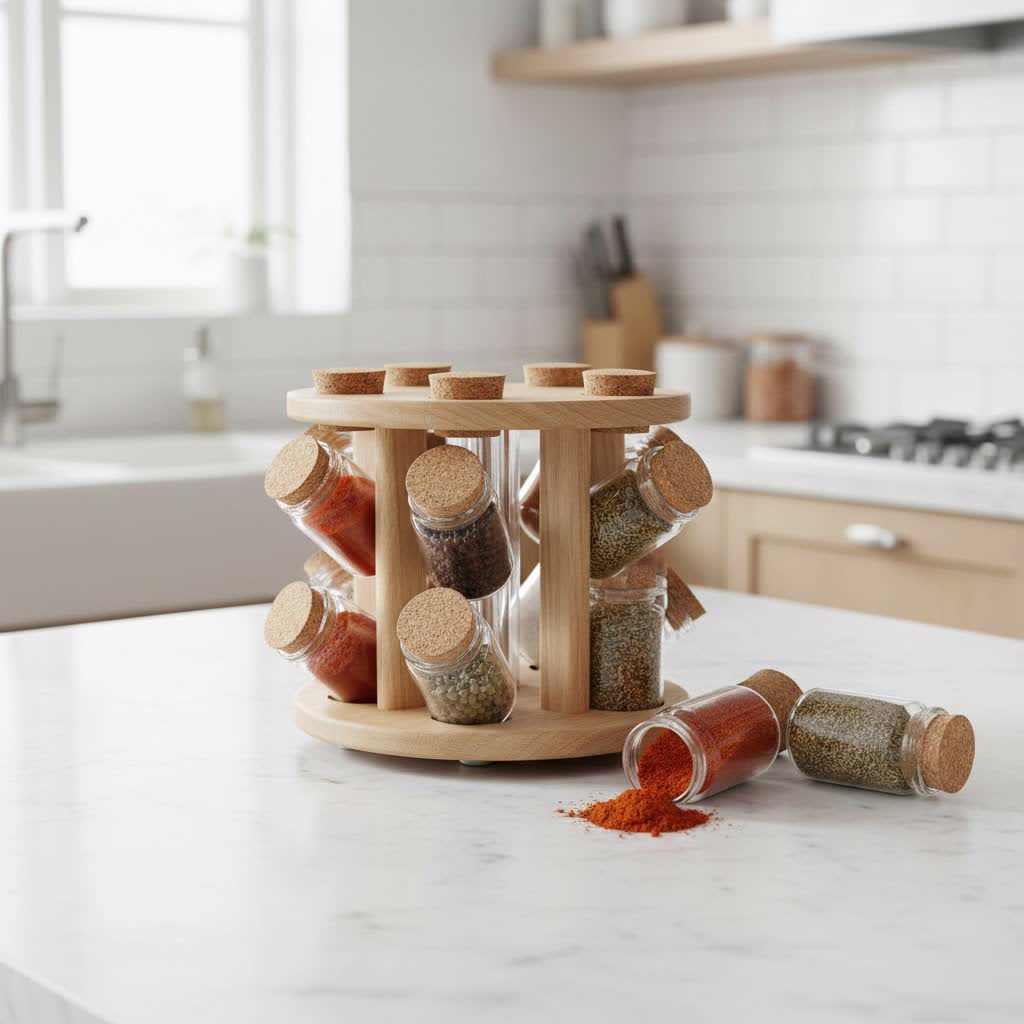
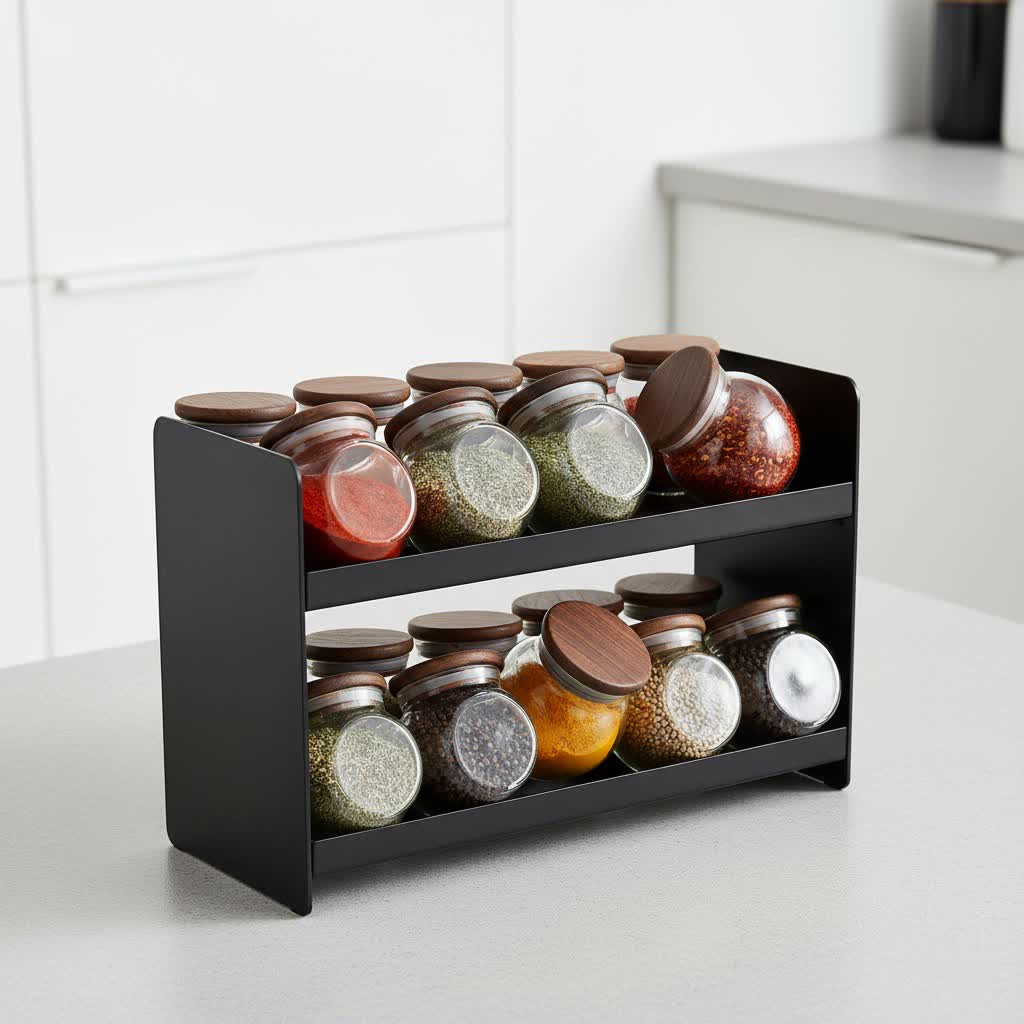
Utilize various organizing tools like tiered spice racks for cabinets, in-drawer spice organizers with angled inserts, or rotating lazy Susans to keep your spices tidy and accessible. These tools prevent jars from sliding around and ensure every spice is visible and easy to grab.
Overbuying and Duplication
Do you find yourself constantly buying a new jar of cinnamon, only to discover you already have two more tucked away? Overbuying and unintentional duplication are common consequences of a disorganized spice collection. This not only wastes money but also occupies valuable kitchen space.
Before heading to the grocery store, take a quick inventory of your existing spices. Make a list of what you genuinely need. Additionally, consider buying smaller quantities of spices you use less frequently to prevent them from sitting too long and losing their flavor. Being mindful of your actual cooking habits and needs will help curb unnecessary purchases.
Failing to Maintain Your System
Even the most perfectly organized spice collection can quickly revert to disarray if not maintained. Forgetting to put a spice back in its designated spot, ignoring small spills, or letting dust accumulate are all common mistakes that can unravel your hard work.
Consistency is crucial for long-term organization. Adopt simple daily habits:
- Always return a spice jar to its correct place immediately after use.
- Wipe down any spills on jars or shelves as soon as they happen.
- Perform a quick weekly or monthly check to ensure everything is still in order.
These small, consistent actions will prevent clutter from building up and ensure your spice collection remains a joy to use.
Buying Guide: Choosing the Right Spice Storage Solutions
When looking to upgrade your spice organization, consider these factors to avoid making common purchasing mistakes:
- Space and Layout: Before buying any racks or containers, measure your available space – inside cabinets, drawers, or on countertops. Will a tiered shelf fit? Do you have enough drawer depth for an insert?
- Material: Opt for durable, food-safe materials. Glass jars are excellent for visibility and don’t absorb odors. Bamboo and metal racks offer sturdy, long-lasting organization. Avoid flimsy plastics that can crack or warp over time.
- Airtightness: Prioritize containers with secure, airtight seals to protect your spices from air and moisture, which degrade their flavor.
- Ease of Cleaning: Choose solutions that are easy to wipe down and keep clean. Glass jars can often go in the dishwasher, while racks should be simple to wipe with a damp cloth.
- Budget: Spice organization solutions range in price. You don’t need to break the bank, but investing a little more in quality, uniform jars and sturdy organizers can save you money and frustration in the long run.
Conclusion
Transforming your chaotic spice collection into an organized, efficient system is a journey of small, manageable steps. By avoiding common mistakes like neglecting expiration dates, improper storage, inconsistent containers, and poor labeling, you can unlock a more joyful and efficient cooking experience. An organized spice collection not only saves you time and money but also elevates the flavor of your homemade meals. Are you ready to take control of your spice cabinet and infuse your cooking with renewed passion?
Frequently Asked Questions
How often should I declutter my spice collection?
It’s recommended to do a thorough declutter and check for expired spices at least once a year, or every six months if you have a large collection. A quick “sniff test” can help you determine if older spices have lost their potency and should be replaced.
What is the best way to store ground spices versus whole spices?
Both ground and whole spices benefit from being stored in airtight containers in a cool, dark, dry place. Whole spices generally retain their flavor longer than ground spices. For optimal freshness, consider grinding whole spices just before use.
Can I store spices in the refrigerator or freezer?
While some sources suggest freezing for very long-term storage, it’s generally not recommended for everyday spices. Frequent temperature changes (taking them out to use, then putting them back) can cause condensation, introducing moisture that degrades flavor. A cool, dark pantry or cabinet is usually best.
What are some common organizing systems for spice racks?
Popular spice organization systems include alphabetical order, grouping by cuisine type (e.g., baking spices, Indian spices), or arranging by frequency of use (most used in front). Choose the system that best suits your cooking style and makes finding spices easiest for you.