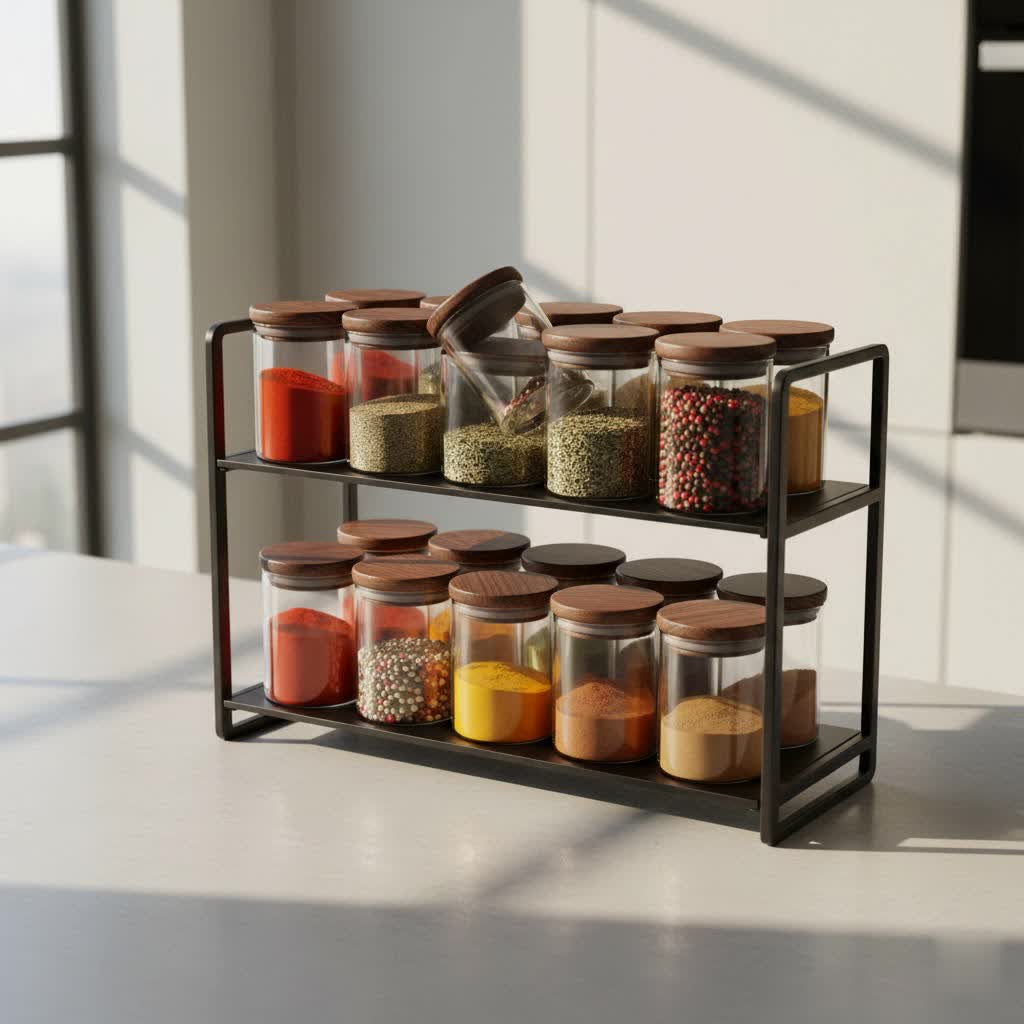
Step into a world where culinary organization meets timeless charm. For enthusiasts of retro aesthetics, a vintage spice rack is more than just a storage solution; it’s a statement piece that infuses your kitchen with history, character, and a touch of nostalgic elegance. Imagine a beautifully curated space where every ingredient is within reach, and your kitchen decor tells a story. This guide will navigate you through the enchanting world of vintage spice racks, helping you discover the perfect piece to complement your retro culinary haven.
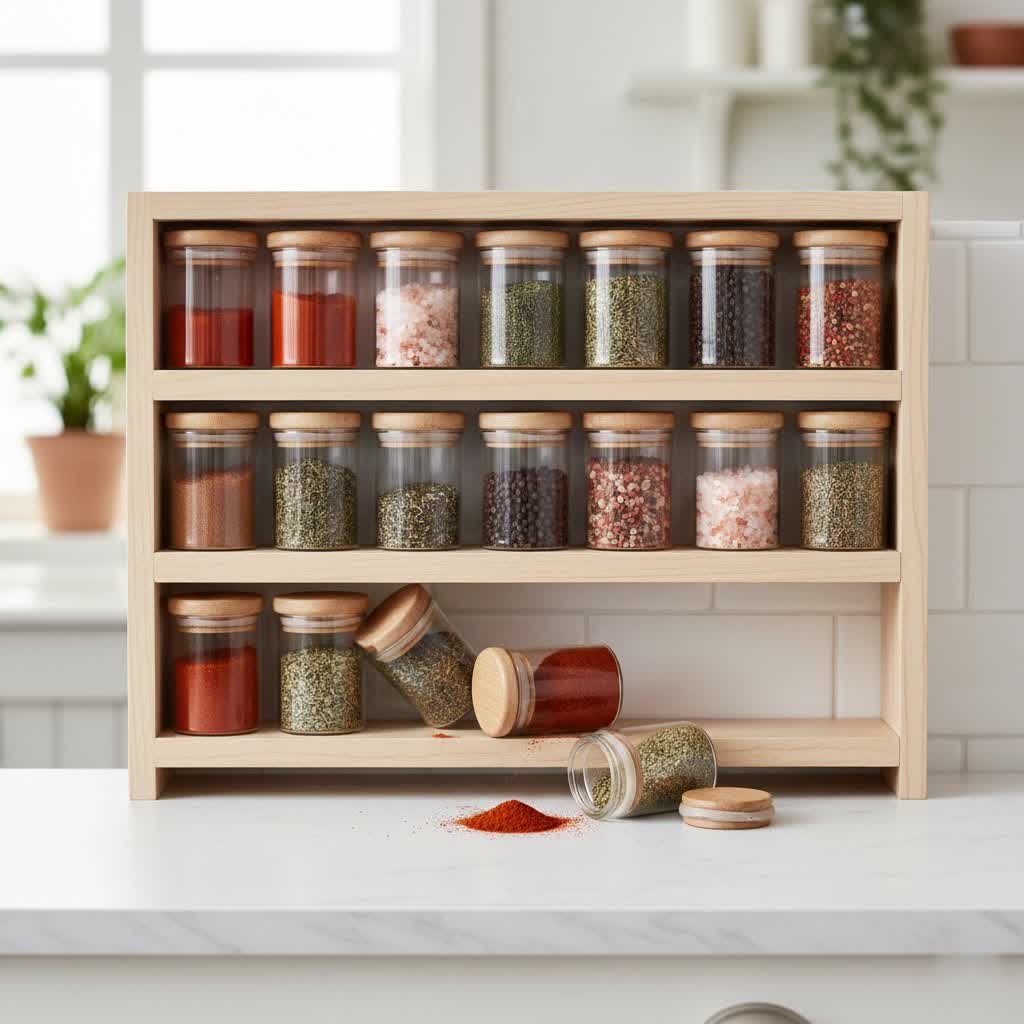
Popular Types of Vintage Spice Racks
Vintage spice racks come in a delightful array of designs, each offering a unique blend of practicality and period-specific charm. Understanding the different types is the first step in finding the ideal fit for your kitchen.
Wall-Mounted Vintage Spice Racks
Wall-mounted racks are perfect for kitchens where counter space is a premium or when you want to create a striking visual focal point. These racks free up valuable workspace while elegantly displaying your spice collection.
- Wooden Shelves: Often found in rustic, farmhouse, or cottagecore styles, these racks feature simple, sturdy wooden shelves, sometimes with decorative cutouts or small ledges to keep jars in place. You might find pieces from the 1950s or 70s with a “primitive” or Mediterranean-inspired design.
- Chicken Wire/Metal: Offering an industrial or country chic vibe, these metal racks can be minimalist wire frames or more elaborate designs. They are durable and can hold a surprising number of jars, often allowing easy visibility of labels.
- Cabinet-Style with Doors: For a more enclosed and formal look, vintage spice cabinets often feature small doors—some with glass panels, wire mesh, or solid wood. These miniature cabinets were popular in mid-century homes and can range from sleek Mid-Century Modern (MCM) teak designs to charmingly rustic, painted pieces.
|
Our Picks for the Best Spice rack in 2026
As an Amazon Associate I earn from qualifying purchases.
|
||
| Num | Product | Action |
|---|---|---|
| 1 | LAMU 2 Tier Lazy Susan Turntable Organizer 9.25'' Rotating Spice Rack Organization for Cabinet, Kitchen, Pantry, Countertop, Bathroom, Vanity, Medicine Cabinet Organizer, Clear |

|
| 2 | LYNK PROFESSIONAL® Pull Out Spice Organization for Cabinets - 4-3/8 inch Wide – Spice Rack for Inside Cabinets, Slide Out Spice Rack Organizer for cabinet – Pull Out Spice Rack, Sliding 2 Tier Chrome |
|
| 3 | Pull Out Spice Rack Organizer for Cabinet, 3 Packs Slide Out Spice Racks Organizer, Spice Cabinet Organizers, Cabinet Size Need:12'' Highx11'' Deepx5'' Wide,Each Tier Hold 10 Spice Jar - 2 Tier, Black |
|
| 4 | Copco Non-Skid 3-Tier Spice Rack Organizer for Cabinet - 10 Inch Kitchen Pantry Organizer with Raised Rims, White and Gray Step Shelf for Spices, Cans, Jars - Easy Clean Storage Solution |
|
| 5 | SpaceAid Bamboo Pull Out Spice Rack Organizer for Cabinet, Heavy Duty Slide Out Seasoning Kitchen Pantry Sliding Vertical Organization, 7.6" Wide, 3 Drawers(2" Wide), 2-Tier, Natural |
|
| 6 | Sevenblue 4 Pack Strong Magnetic Spice Rack for Refrigerator, Multipurpose Magnetic Shelf for Fridge with 4 Hooks for Kitchen and Bathroom Organization, Black |
|
| 7 | Kamenstein 20 Jar Revolving Countertop Spice Rack with Spices Included, FREE Spice Refills for 5 Years, Polished Stainless Steel with Black Caps, 30020 |
|
| 8 | Bunoxea Spice Rack Wall Mounted 4 Pack,Space-Saving Spice Organizer for Spice Jars and Seasonings,Screw or Adhesive Hanging Spice Rack Organizer for Your Kitchen Cabinet,Pantry Door,11.41x2.75x2.75in |
|
| 9 | Spice Rack Kitchen Cabinet Organizer- 3 Tier Bamboo Expandable Display Shelf Yellow |
|
| 10 | Orii 20 Jar Rotating Spice Rack with Spices Included & 5-Year Free Spice Refill Program – Stainless Steel Countertop Spice Rack with 3 oz Glass Jars |
|
Pros: Excellent for saving counter space, creates a decorative display, becomes a permanent fixture of your decor.
Cons: Requires installation, can be less flexible for rearrangement, commitment to a specific spot.
Countertop Vintage Spice Racks
Countertop racks offer convenience and portability, making them ideal for avid cooks who need their spices close at hand. They can be a beautiful decorative element on their own.
- Rotating (Lazy Susan) Designs: A classic retro feature, these spinning racks were incredibly popular from the 1950s through the 1970s. Often made from wood or colorful plastic, they provide easy access to a large number of spices with a simple turn.
- Tiered Racks: These typically feature two or three levels, often in wood, metal, or a combination of both. They can range from simple, utilitarian designs to elaborate decorative pieces with ornate details or matching ceramic jars. Vintage Sears Americana sets with apothecary jars are a prime example.
- Small Cabinet-Style Units: Similar to their wall-mounted counterparts but designed to sit on a counter, these small wooden or metal cabinets provide enclosed storage while maintaining a compact footprint.
Pros: Highly accessible, no installation required, easy to move for cleaning or redecoration, immediate visual impact.
Cons: Occupies counter space, can appear cluttered if not organized well, may need to be moved during intense cooking.
Drawer Inserts and Hidden Organizers
While less visually “rack-like,” vintage drawer inserts and cabinet organizers provide discreet storage solutions that maintain a retro feel through their age and material. These are excellent for those who prefer an uncluttered counter aesthetic.
- Wooden Trays: Simple, often angled wooden trays designed to fit inside drawers, allowing spice jars to lie flat and be easily identified.
- Tiered Plastic Organizers: More common in later retro periods (1970s-80s), these molded plastic inserts provided tiered storage within larger drawers.
Pros: Keeps counters clear, protects spices from light, maintains a minimalist look.
Cons: No display value, requires opening drawers for access, less impactful on retro decor than exposed racks.
Comparing Vintage Spice Rack Materials
The material of your vintage spice rack plays a significant role in its aesthetic, durability, and how it integrates into your kitchen’s overall design. Different eras favored different materials, each with unique characteristics.
Wood
Wood is perhaps the most ubiquitous material for vintage spice racks, offering timeless warmth and versatility. Common types include oak, maple, and various stained or painted woods.
- Pros: Classic, natural, complements a wide range of retro styles (farmhouse, rustic, cottagecore, MCM). Durable if well-maintained, can be sanded and refinished.
- Cons: Susceptible to moisture, warping, or cracking if not cared for. Can stain easily and may require occasional oiling or waxing.
- Aesthetic Appeal: Provides a cozy, authentic feel. Darker woods suit a more formal mid-century look, while lighter or painted woods fit country and shabby chic aesthetics.
Metal
From sturdy iron wire to sleek aluminum, metal vintage spice racks offer a different kind of retro charm, often leaning towards industrial, utilitarian, or specific mid-century modern designs.
- Pros: Highly durable, easy to clean, generally resistant to moisture (if coated). Wire racks offer excellent visibility.
- Cons: Can be heavy, prone to rust if finishes are chipped, may scratch countertops if not properly padded.
- Aesthetic Appeal: Chicken wire or black metal racks suit farmhouse and industrial styles. Polished aluminum or chrome pieces align with 1950s diner or Art Deco kitchens.
Ceramic/Porcelain
Often found in conjunction with a wooden or metal frame, ceramic and porcelain typically refer to the accompanying spice jars, though some racks feature ceramic elements or bases. These often boast intricate, hand-painted designs.
- Pros: Artistic, adds unique charm and personality with specific motifs (roosters, fruits, floral patterns). Jars are food-safe and look delightful.
- Cons: Fragile; jars can chip or break easily. Heavier than other materials, and replacing individual jars can be difficult or costly.
- Aesthetic Appeal: Perfect for cottagecore, country, French provincial, or specific 1970s “kitsch” looks, bringing vibrant color and detailed artistry.
Plastic
While often overlooked, vintage plastic spice racks, particularly from the 1970s and 80s, offer a unique and bold retro statement. Brands like Copco and Tupperware produced iconic designs.
- Pros: Lightweight, often colorful, easy to clean, resistant to moisture. Can be surprisingly durable for their age and often more affordable.
- Cons: Can become brittle or yellow with age and sunlight exposure. May not have the “heirloom” quality of wood or metal.
- Aesthetic Appeal: Ideal for a 1970s or 80s pop-art inspired kitchen, bringing bright, geometric, or futuristic designs.
Table Comparison of Vintage Spice Rack Materials
Choosing the right material depends on your kitchen’s style, your practical needs, and your willingness to maintain the piece.
| Feature | Vintage Wood Racks | Vintage Metal Racks | Vintage Ceramic/Plastic Racks |
|---|---|---|---|
| Durability | Medium to High (with care) | High | Medium (plastic), Fragile (ceramic jars) |
| Aesthetic | Warm, classic, versatile | Industrial, utilitarian, sleek | Kitsch, artistic, vibrant |
| Price (Vintage) | Medium to High | Medium | Medium to High (especially sets with jars) |
| Cleaning | Moderate (gentle wiping, occasional conditioning) | Easy (wipe down) | Easy (wipe down, hand wash jars) |
| Moisture Resist. | Low (needs protection) | High (if finish intact) | High (plastic), Moderate (ceramic, avoid extreme temps) |
How to Choose the Perfect Vintage Spice Rack
Selecting a vintage spice rack is a personal journey. To ensure your choice enhances your kitchen and meets your needs, consider these key factors:
- Define Your Retro Kitchen Style: Is your kitchen inspired by a 1950s diner, a 1970s bohemian vibe, rustic farmhouse, or sleek Mid-Century Modern? Your spice rack should harmonize with this aesthetic. A rustic wooden rack might clash with a chrome-laden 50s kitchen, just as a vibrant plastic one might not suit a delicate farmhouse theme.
- Assess Your Space:
- Countertop Real Estate: If you have ample counter space, a rotating or tiered countertop rack offers easy access and a prominent display.
- Wall Space: For smaller kitchens or a desire to keep counters clear, wall-mounted options (shelves or cabinet styles) are excellent. Consider the available wall area and ease of installation.
- Drawer Capacity: If hidden storage is preferred, look for vintage drawer inserts, though true “racks” in this style are less common and more functional than decorative.
- Consider Your Spice Collection: How many spices do you have? Do you buy large quantities or small jars? Ensure the rack can comfortably hold your current collection and allow for future expansion. Some vintage racks come with proprietary jars, which might limit your flexibility if you use different brands.
- Material and Finish: Match the material to existing kitchen elements. Warm wood tones pair well with natural, earthy palettes, while metal can complement industrial accents. Consider the finish as well – a distressed paint for shabby chic, polished chrome for atomic age.
- Authenticity vs. Reproduction: Decide if you want a truly authentic, aged piece with history and patina, or a new, “vintage-inspired” reproduction that offers modern durability with a retro look. Authentic pieces offer unique character, while reproductions provide consistency and new condition.
- Condition (for true vintage): When buying true vintage, inspect for wear and tear. Look for signs of damage, deep scratches, rust, or missing components. A little patina adds character, but significant damage might compromise functionality or aesthetic.
- Budget: Vintage items can range widely in price, from affordable thrift store finds to collector’s pieces. Set a budget, but be prepared to invest a little more for a rare or well-preserved item.
Where to Find Authentic Vintage Spice Racks
The thrill of the hunt is part of the vintage experience. Here are the best places to unearth your perfect retro spice rack:
- Online Marketplaces:
- Etsy: A treasure trove for handmade and vintage items. Use specific search terms like “vintage wooden spice rack 1970s,” “MCM spice rack,” or “antique apothecary jars with rack.” You’ll find unique, often one-of-a-kind pieces.
- eBay: Excellent for a wider range of vintage items, including rare finds. Be diligent with photos and seller descriptions.
- Antique Stores & Flea Markets: These physical locations allow you to inspect items firsthand, feel their history, and sometimes negotiate prices. You might discover styles you hadn’t even considered.
- Thrift Stores & Estate Sales: While requiring more patience, these can yield incredible finds at remarkably low prices. Look for forgotten gems that just need a little TLC.
- Specialty Vintage Home Decor Shops: These curated shops, both online and brick-and-mortar, often have higher prices but offer carefully selected, high-quality vintage pieces.
Integrating Your Vintage Spice Rack into Retro Decor
Once you’ve found your ideal vintage spice rack, the next step is to seamlessly blend it into your kitchen’s retro aesthetic.
- Placement is Key:
- Countertop Focal Point: A rotating rack or a small cabinet can be a centerpiece on your counter, especially if it’s a unique design.
- Wall Art: A beautifully designed wall-mounted rack can double as a piece of art, showcasing both your spices and its vintage craftsmanship.
- Within a Vintage Cabinet: If your kitchen boasts period-appropriate cabinetry, a smaller rack can be placed inside for a subtle nod to the past.
- Pair with Vintage Jars: If your rack doesn’t come with jars, or you want to personalize it, seek out vintage spice jars. Apothecary jars, milk glass, or brightly colored ceramic jars can complete the look. An eclectic mix of vintage jars can also create a charming, lived-in feel.
- Labels Matter: For a cohesive look, consider vintage-style labels. Hand-written labels, printed labels with a retro font, or chalk labels on dark jars can enhance the aesthetic and keep your spices identifiable.
- Complementary Decor: Surround your spice rack with other retro elements. Think vintage canisters, a classic stand mixer, period-appropriate textiles (like checkered curtains or floral tablecloths), and colors that evoke the era you’re mimicking.
- Lighting: Highlight your vintage treasure with appropriate lighting. Under-cabinet lighting can make a wall-mounted rack pop, while a strategically placed pendant light can draw attention to a countertop piece.
“A well-chosen vintage spice rack doesn’t just hold your spices; it holds a piece of culinary history, adding soul and a story to your kitchen.” – Admin, reviewbcg.com
Maintenance and Care for Longevity
To preserve the charm and functionality of your vintage spice rack for years to come, proper care is essential. Each material requires specific attention.
- Wooden Spice Racks:
- Cleaning: Dust regularly with a soft cloth. For deeper cleaning, wipe with a slightly damp cloth and a mild soap solution, then dry immediately and thoroughly.
- Protection: Avoid placing wooden racks near sinks or stovetops where they are exposed to excessive moisture or heat. Occasionally apply a food-safe wood oil or wax to prevent drying and cracking.
- Metal Spice Racks:
- Cleaning: Wipe down with a damp cloth and mild dish soap. Dry completely to prevent rust, especially for iron or non-stainless steel pieces.
- Rust Prevention: If you notice small rust spots, address them promptly with fine steel wool and a rust-inhibiting sealant after cleaning.
- Ceramic Jars/Elements:
- Cleaning: Hand wash ceramic jars with warm, soapy water. Avoid harsh abrasives that can scratch or damage painted designs.
- Handling: Handle with care to prevent chips and breaks. Store securely within the rack.
- Plastic Spice Racks:
- Cleaning: Use mild soap and water to wipe down. Avoid harsh chemical cleaners, as they can cause discoloration or cracking over time.
- Sunlight: Keep plastic racks out of direct, prolonged sunlight to prevent fading and brittleness.
General Tip: Regardless of material, always ensure your spices are in well-sealed jars before placing them in the rack to prevent spills and keep the rack clean.
Conclusion
Embracing a vintage spice rack is more than a practical decision; it’s an aesthetic commitment that imbues your kitchen with unique personality and a heartfelt connection to the past. From the rustic warmth of wood to the sleek lines of mid-century metal, and the whimsical artistry of ceramic, these timeless pieces offer both efficient organization and undeniable charm. By carefully selecting a rack that aligns with your kitchen’s retro style and maintaining it with care, you’re not just storing spices—you’re curating a space that celebrates culinary heritage and personal expression. So, which vintage era will inspire your next kitchen transformation?
Frequently Asked Questions
What makes a spice rack “vintage”?
A spice rack is typically considered “vintage” if it is at least 20 years old and exhibits design characteristics, materials, or manufacturing styles indicative of a past era, such as Mid-Century Modern, Art Deco, or specific styles from the 1950s, 60s, or 70s. Its age and period-specific aesthetic distinguish it from modern reproductions.
Can I use modern spice jars with a vintage rack?
Yes, you can often use modern spice jars with a vintage rack, provided they fit comfortably within the rack’s compartments or shelves. However, for a truly cohesive retro aesthetic, many enthusiasts prefer to pair their vintage racks with period-appropriate or vintage-style apothecary jars, milk glass, or matching ceramic sets.
How do I clean a rusty vintage metal spice rack?
To clean a rusty vintage metal spice rack, first, gently remove loose rust with a wire brush or steel wool. Then, create a paste with baking soda and water or use white vinegar to soak smaller parts, allowing it to sit for a few hours. Scrub the rust off, rinse thoroughly, and dry immediately. Applying a clear sealant or a metal-specific paint can help prevent future rust.
Are vintage spice racks expensive?
The price of vintage spice racks varies significantly based on factors like rarity, material, condition, and whether original jars are included. You can find affordable options at thrift stores or flea markets, while rare, well-preserved, or highly sought-after designs (like complete MCM sets) can command higher prices from antique dealers or online marketplaces.
What retro kitchen styles are popular for vintage spice racks?
Popular retro kitchen styles that beautifully accommodate vintage spice racks include Mid-Century Modern (sleek wood, chrome, bold colors), 1950s Diner (bright colors, metal, chrome), Farmhouse (distressed wood, chicken wire), Cottagecore (painted wood, floral ceramics), and 1970s Bohemian (natural wood, colorful plastic, unique ceramic designs). Matching the rack to the era’s prevalent materials and designs is key.