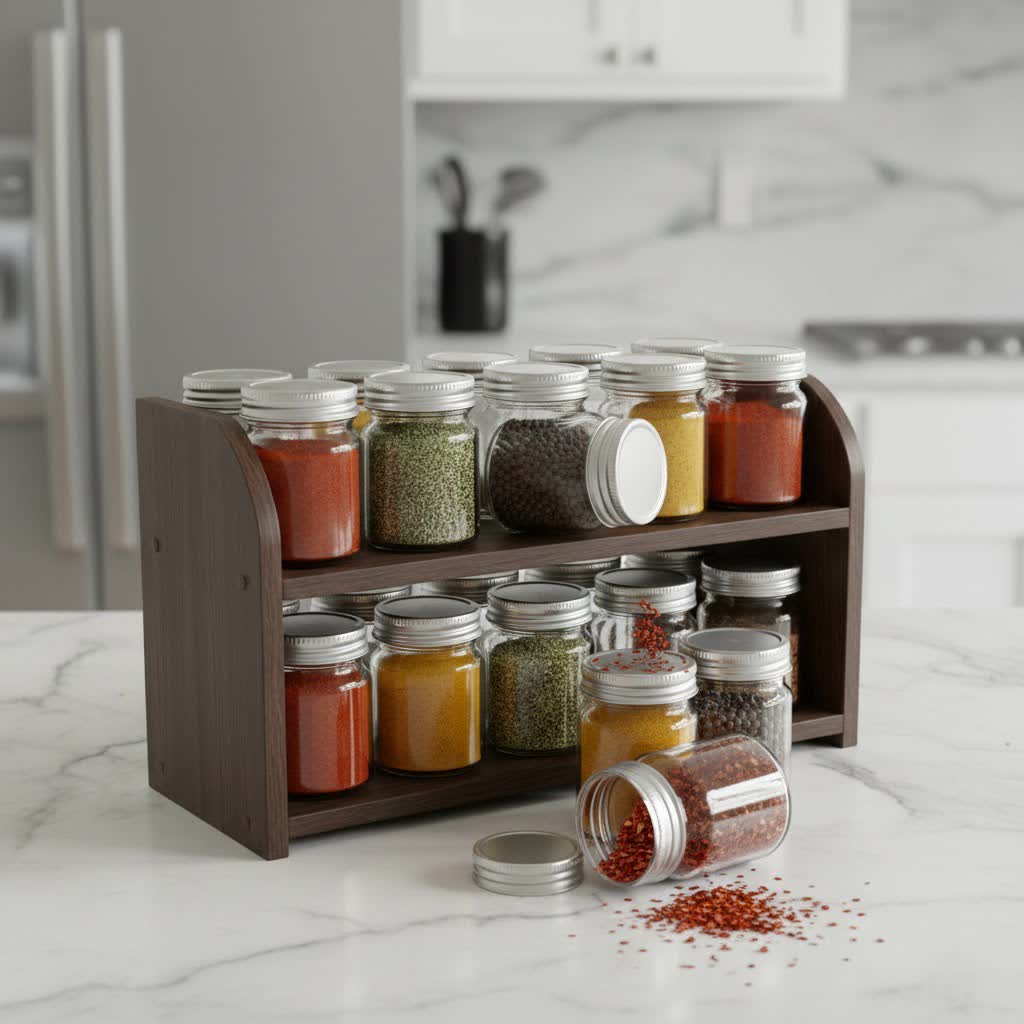
As an experienced kitchen technician, I understand the challenges of maintaining a pristine cooking space. One common culprit behind a less-than-sparkling kitchen is the dreaded greasy spice jar and rack. These often-overlooked items can accumulate sticky, oily residue over time, not only looking unappealing but also potentially harboring bacteria. Keeping your spice collection clean is not just about aesthetics; it’s about hygiene, preserving the quality of your spices, and ensuring an efficient, enjoyable cooking environment. This comprehensive guide will walk you through effective strategies to deep clean your spice jars and racks, offering practical tips, homemade solutions, and preventive measures to keep your spice area spotless.
Understanding the Grease Problem in Your Kitchen
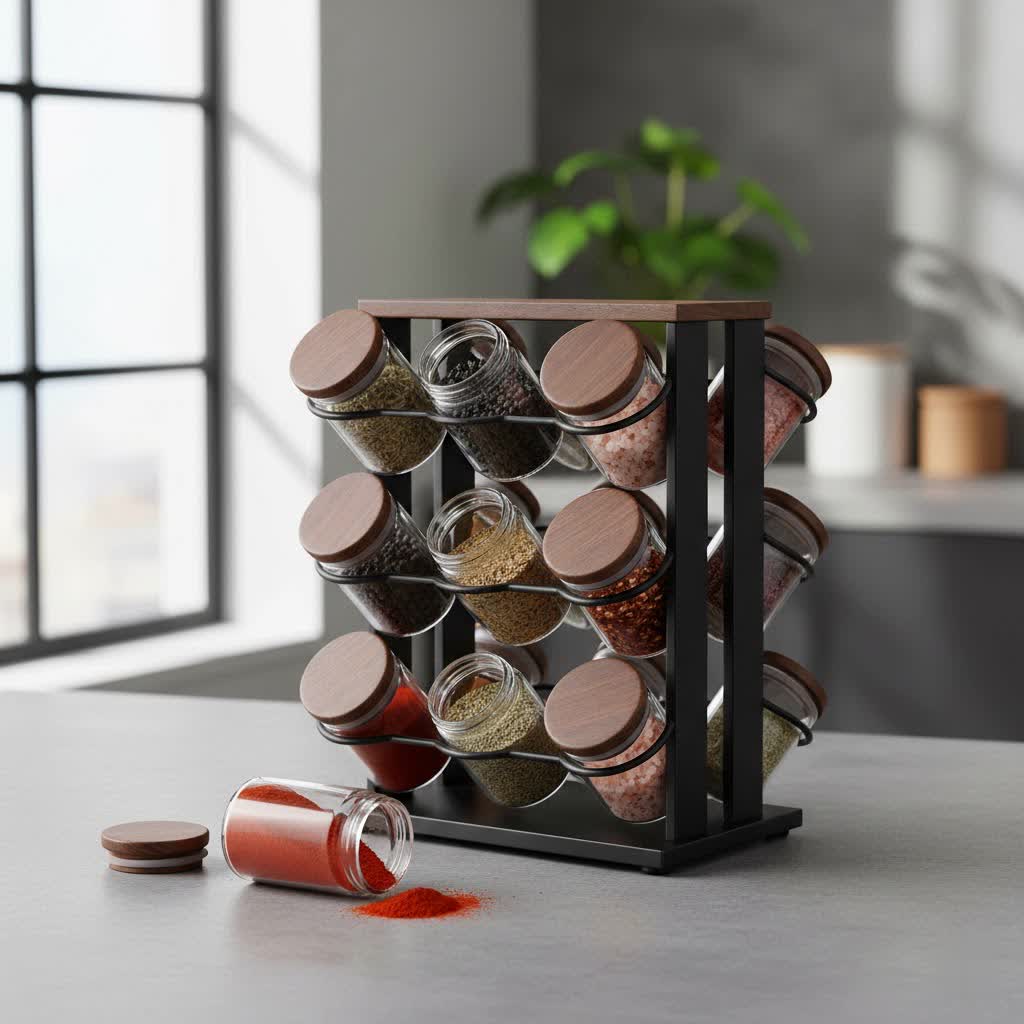
Why do spice jars and racks become coated in a sticky film? The kitchen is a dynamic environment where cooking fumes, steam, and oil splatters are constant. When you cook, tiny particles of grease and food debris become airborne, settling on nearby surfaces, including your spice collection. Repeatedly touching jars with hands that might have handled ingredients, even after washing, can transfer oils and residues. Over time, this combination of airborne grease and handling leads to a buildup that can be tough to remove without the right approach. Addressing this accumulation is crucial for both cleanliness and food safety, as unclean surfaces can serve as breeding grounds for bacteria.
Essential Cleaning Supplies for Degreasing Your Spice Collection
Before you dive into cleaning, gather the necessary tools and agents. Having everything at hand will make the process much smoother and more efficient. For tackling greasy spice jars and racks, you’ll need:
- Warm Water: The foundation for most cleaning solutions.
- Mild Dish Soap: An excellent degreaser for general cleaning.
- White Vinegar: A natural disinfectant and powerful degreaser, especially when combined with baking soda.
- Baking Soda: A gentle abrasive and odor absorber, effective for stubborn grime.
- Soft Cloths or Sponges: Non-abrasive options for wiping down surfaces without scratching.
- Small Bottle Brushes or Cleaning Brushes: Ideal for reaching inside jars and intricate rack designs.
- Old Toothbrush: Perfect for scrubbing tight corners and crevices on racks.
- Paper Towels or Microfiber Cloths: For drying and polishing.
- Basin or Sink: For soaking jars and components.
- Labels and Pen/Marker: If you plan to relabel spices after emptying.
These simple, often readily available items will form your arsenal against kitchen grease.
Comparing Cleaning Agents for Greasy Surfaces
Choosing the right cleaning agent can significantly impact your results. Here’s a comparison of common household items effective against grease:
| Feature/Agent | Dish Soap | White Vinegar | Baking Soda |
|---|---|---|---|
| Effectiveness on Greasy Jars | Excellent: Cuts through oil and food residue. | Good: Helps dissolve grease, especially when warm. | Good (with soap/vinegar): Adds abrasive power to scrub away sticky film. |
| Effectiveness on Greasy Racks | Excellent: Safe for most materials, lifts grease. | Good: Can be used on many rack materials, removes light grime. | Good (abrasive): Useful for scrubbing tough spots on metal or plastic racks. |
| Odor Removal | Moderate: Cleans, but doesn’t specifically neutralize strong odors. | Excellent: Naturally neutralizes a wide range of kitchen odors. | Excellent: Absorbs and neutralizes odors effectively. |
| Safety | High: Generally safe for skin and kitchen surfaces. | High: Food-safe, non-toxic. | High: Food-safe, non-toxic. |
| Cost | Low: Economical and widely available. | Low: Inexpensive and versatile. | Low: Affordable and multi-purpose. |
For tough grease, a combination of these agents often yields the best results.
Step-by-Step Guide to Deep Cleaning Greasy Spice Jars
Cleaning your spice jars thoroughly involves a few key steps to ensure they are sparkling and ready for use.
- Empty and Prepare: Carefully remove all spices from the jars and place them into separate temporary containers. This is an opportune moment to check expiration dates and discard any old or diminished spices. Once empty, remove lids and shakers.
- Initial Rinse and Soak: Rinse the empty jars with warm water to remove any loose spice residue. Then, fill a basin or sink with hot water and a few drops of mild dish soap. Submerge the jars and their lids, allowing them to soak for at least 15-20 minutes. This soaking period is crucial as it helps to loosen stubborn grease and sticky buildup. For particularly tough residue, adding a tablespoon of baking soda to the soaking water can boost its degreasing power.
- Scrub and Clean: After soaking, use a small bottle brush or a cleaning brush to scrub the inside of each jar. For hard-to-reach areas, you can wrap a clean rag around a knife or skewer to ensure the interior is thoroughly cleaned. For the outside, use a soft cloth soaked in the soapy water. Pay close attention to threads where lids screw on, as these areas often trap grime. Clean the lids and shakers similarly.
- Rinse Thoroughly: Rinse each jar and lid under hot, running water until all soap residue is gone. Ensure there are no lingering suds or film.
- Dry Completely: Air dry the jars and lids on a clean drying rack. It’s essential that they are completely dry before refilling with spices to prevent moisture from compromising the spices’ freshness. Using a small electric fan can speed up the drying process. Once dry, you can refill and relabel them if necessary.
This methodical approach ensures that every part of your spice jars is clean and free of grease.
How to Clean Greasy Spice Racks (Material-Specific Tips)
Spice racks come in various materials, each requiring a slightly different cleaning approach to avoid damage and ensure effective degreasing.
Metal Racks (Stainless Steel, Aluminum)
|
Our Picks for the Best Spice rack in 2026
As an Amazon Associate I earn from qualifying purchases.
|
||
| Num | Product | Action |
|---|---|---|
| 1 | Orii 20 Jar Rotating Spice Rack with Spices Included & 5-Year Free Spice Refill Program – Stainless Steel Countertop Spice Rack with 3 oz Glass Jars |

|
| 2 | LAMU 2 Tier Lazy Susan Turntable Organizer 9.25'' Rotating Spice Rack Organization for Cabinet, Kitchen, Pantry, Countertop, Bathroom, Vanity, Medicine Cabinet Organizer, Clear |
|
| 3 | Sevenblue 4 Pack Strong Magnetic Spice Rack for Refrigerator, Multipurpose Magnetic Shelf for Fridge with 4 Hooks for Kitchen and Bathroom Organization, Black |
|
| 4 | Pull Out Spice Rack Organizer for Cabinet, 3 Packs Slide Out Spice Racks Organizer, Spice Cabinet Organizers, Cabinet Size Need:12'' Highx11'' Deepx5'' Wide,Each Tier Hold 10 Spice Jar - 2 Tier, Black |
|
| 5 | Copco Non-Skid 3-Tier Spice Rack Organizer for Cabinet - 10 Inch Kitchen Pantry Organizer with Raised Rims, White and Gray Step Shelf for Spices, Cans, Jars - Easy Clean Storage Solution |
|
| 6 | Spice Rack Kitchen Cabinet Organizer- 3 Tier Bamboo Expandable Display Shelf Yellow |
|
| 7 | SpaceAid Bamboo Pull Out Spice Rack Organizer for Cabinet, Heavy Duty Slide Out Seasoning Kitchen Pantry Sliding Vertical Organization, 7.6" Wide, 3 Drawers(2" Wide), 2-Tier, Natural |
|
| 8 | Kamenstein 20 Jar Revolving Countertop Spice Rack with Spices Included, FREE Spice Refills for 5 Years, Polished Stainless Steel with Black Caps, 30020 |
|
| 9 | LYNK PROFESSIONAL® Pull Out Spice Organization for Cabinets - 4-3/8 inch Wide – Spice Rack for Inside Cabinets, Slide Out Spice Rack Organizer for cabinet – Pull Out Spice Rack, Sliding 2 Tier Chrome |
|
| 10 | Bunoxea Spice Rack Wall Mounted 4 Pack,Space-Saving Spice Organizer for Spice Jars and Seasonings,Screw or Adhesive Hanging Spice Rack Organizer for Your Kitchen Cabinet,Pantry Door,11.41x2.75x2.75in |
|
Metal racks, often made of stainless steel or aluminum, are durable and generally easy to clean. For greasy buildup, a neutral liquid detergent or a mixture of warm water and dish soap works effectively. Simply wipe down the rack with a soft cloth dampened with your chosen solution, ensuring you get into all crevices. For persistent oil stains, a cotton wet rag coated with toothpaste and soap can be gently applied, then rinsed with clean water. Avoid harsh or abrasive cleaners, especially on stainless steel, as they can degrade the surface gloss and affect the quality. After cleaning, wipe the rack dry immediately to prevent water spots or rust, particularly for non-stainless metals.
Wooden Racks
Wooden spice racks offer a warm aesthetic but require more delicate care. To clean greasy wooden racks, avoid excessive water, which can cause warping or damage. Instead, use a cloth lightly dampened with a mild soap solution or a specialized wood cleaner. Wipe down the rack, focusing on greasy areas. For stubborn spots, a paste made of baking soda and a little water can be gently applied, left for a few minutes, then wiped off. Always dry the wood immediately with a clean, soft cloth. Occasionally, after cleaning, a thin layer of food-grade mineral oil or wood polish can be applied to nourish and protect the wood.
Plastic Racks
Plastic spice racks are typically the easiest to clean due to their non-porous surface. A solution of warm water and dish soap is usually sufficient for general grease and grime. For tougher stains or stickiness, a 50/50 mixture of white vinegar and water can be very effective. Spray the solution onto the rack, let it sit for a few minutes, then wipe with a cloth or sponge. For crevices, an old toothbrush can be invaluable. Rinse well with clean water and dry thoroughly to prevent water spots. Plastic is robust, but avoid highly abrasive scrubbers that could scratch the surface.
Homemade Degreaser Solutions for Your Kitchen
Beyond commercial cleaners, several homemade solutions can effectively cut through grease and grime, often with ingredients you already have.
- Vinegar and Baking Soda Power Duo: This combination is a formidable foe against grease. For surfaces, sprinkle baking soda directly onto the greasy area, then spray with white vinegar. The fizzing action helps lift and break down grease. Let it sit for 5-10 minutes, then scrub and wipe clean. For jars, adding baking soda to hot, soapy water during soaking can enhance degreasing.
- Lemon Juice: The citric acid in lemon juice is a natural degreaser and leaves a fresh scent. You can mix lemon juice with water in a spray bottle or apply it directly to greasy spots before scrubbing with a sponge.
- Concentrated Dish Soap Solution: For very heavy grease, a more concentrated solution of hot water and dish soap can be made. Apply this directly to the greasy surface and let it sit for a few minutes before scrubbing. The concentrated soap works to emulsify and lift the oils.
These natural alternatives are not only effective but also safer for your kitchen and the environment.
Tips for Preventing Future Grease Buildup
Prevention is always easier than a deep clean. Incorporating a few simple habits can significantly reduce grease accumulation on your spice jars and racks:
- Strategic Placement: Avoid placing your spice rack directly next to the stove or oven, where it’s most exposed to splatters and cooking fumes. If space is limited, consider a cabinet-mounted or drawer-based spice storage solution.
- Regular Wiping: Make it a habit to quickly wipe down your spice jars and rack after each cooking session or at least once a week. A damp cloth with a little all-purpose cleaner or a 50/50 water-vinegar solution can prevent grime from settling.
- Airtight Containers: Ensure all your spices are in airtight jars. This not only keeps them fresh but also prevents any spice powder from mixing with grease to create sticky residue on the outside of the jars.
- Handle with Care: Try to handle spice jars with clean, dry hands. If your hands are greasy from cooking, use a clean utensil or a paper towel to dispense spices.
Implementing these small changes will make a big difference in maintaining cleanliness.
Maintaining and Protecting Your Clean Spice Area
After the deep cleaning, consistent maintenance is key to prolonging the sparkle of your spice collection. Monthly checks can help keep your spice rack in top condition. Take a moment to wipe down each jar and the rack, ensuring everything remains clean and organized. Replace any spices that are running low or have lost their potency, and reorganize if your current system isn’t working efficiently. Remember that proper storage also contributes to a cleaner environment; keep spices in a cool, dark place away from direct sunlight and heat sources to prevent degradation and minimize the conditions that encourage grease buildup.
“A well-maintained spice collection is a reflection of a well-loved kitchen. Regular cleaning isn’t just about hygiene; it’s about respecting your ingredients and enhancing your cooking experience.” – Chef Elena Rodriguez, Culinary Arts Instructor
Buying Guide for Effective Cleaning Products
While homemade solutions are excellent, sometimes specific cleaning products can be beneficial for deep cleaning. When selecting cleaning products for your spice jars and racks, consider these factors:
- Degreasing Power: Look for products specifically formulated to cut through grease and oil.
- Material Compatibility: Ensure the cleaner is safe for the material of your spice rack (e.g., wood, metal, plastic) to avoid damage.
- Non-Toxic/Food-Safe: Since these items are near food, opt for non-toxic or food-safe cleaners where possible, especially for jars.
- Ease of Use: Sprays or foaming cleaners can make application easier for racks, while gentle dish soaps are perfect for soaking jars.
- Tools: Invest in good quality cleaning brushes, particularly small ones, to effectively reach tight spaces inside jars and around rack structures.
Choosing the right products and tools makes the task of cleaning much more manageable and effective.
Conclusion
Keeping your spice jars and racks clean and grease-free is an essential, yet often overlooked, part of maintaining a hygienic and functional kitchen. By following the detailed steps for cleaning jars and racks, utilizing both commercial and homemade degreasing solutions, and adopting proactive prevention strategies, you can ensure your spices remain in an organized, pristine environment. Regular maintenance not only enhances the visual appeal of your kitchen but also contributes to better food hygiene and a more enjoyable cooking experience. A clean spice collection is a testament to an organized and efficient culinary space, always ready to infuse your dishes with flavor.
What small step will you take this week to begin transforming your greasy spice area into a gleaming centerpiece?
Frequently Asked Questions
What’s the best way to clean very sticky spice jars?
For very sticky spice jars, begin by emptying the contents and soaking the jars and lids in a solution of hot water, a generous amount of dish soap, and a tablespoon of baking soda for at least 30 minutes. The hot water and soap will emulsify the grease, while baking soda provides a gentle abrasive to help loosen stubborn residue, making scrubbing much easier.
How often should I clean my spice jars and rack?
For optimal hygiene and appearance, aim for a quick wipe-down of your spice jars and rack weekly. A deeper clean, involving emptying and washing jars and thoroughly scrubbing the rack, should be performed every 1-3 months, depending on your cooking frequency and the level of grease buildup in your kitchen.
Can I use a dishwasher for my spice jars?
Most glass spice jars are dishwasher safe. However, remove any labels first as they may peel off. Plastic lids and shaker inserts might warp under high heat, so it’s often best to hand wash them. Always check the manufacturer’s recommendations if available, especially for specialty jars.
What should I avoid when cleaning wooden spice racks?
When cleaning wooden spice racks, avoid saturating the wood with water, as this can lead to warping, swelling, or mold. Do not use harsh chemical cleaners, abrasive scrubbers, or steel wool, which can strip finishes or scratch the wood. Instead, use a lightly dampened cloth with mild soap and dry immediately.
How can I prevent grease from accumulating quickly?
To prevent rapid grease accumulation, store your spice rack away from direct cooking splatters if possible. Develop a habit of wiping down jars and the rack regularly (e.g., weekly) with a damp cloth. Ensure all spice jars are tightly sealed to prevent spice dust from mixing with airborne grease and creating sticky films.