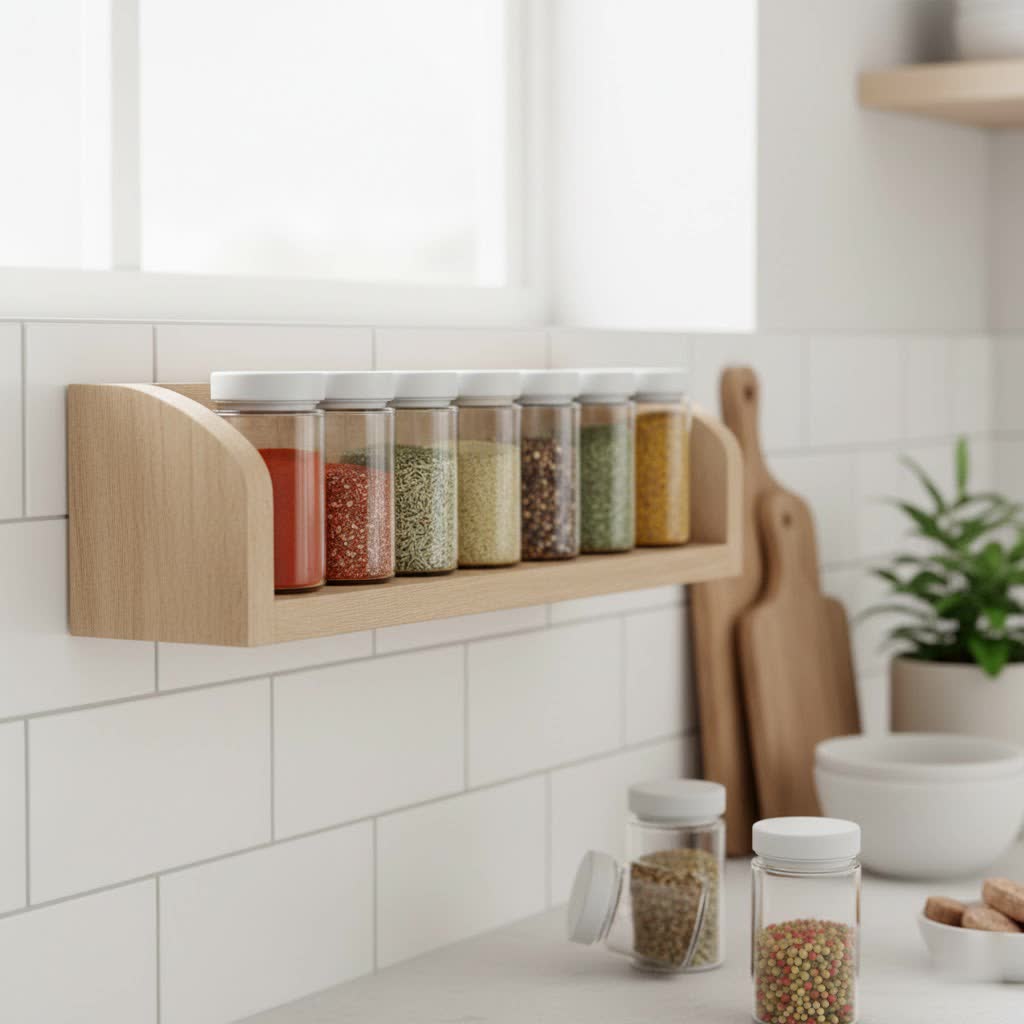
The art of cooking is deeply intertwined with the quality and freshness of our spices. Yet, the small, often narrow openings of spice jars can make cleaning them a daunting task. As a seasoned technician with over a decade of experience in kitchen solutions, I understand the frustration of trying to reach stubborn residue at the bottom of a tiny jar. This guide will walk you through effective, real-world methods to thoroughly clean even the most challenging spice jars, ensuring your spices remain pure and your kitchen hygienic.
Why Clean Your Spice Jars Regularly?
Regular cleaning of your spice jars is more than just a chore; it’s essential for both culinary excellence and kitchen hygiene. Over time, residual spice particles, oils, and moisture can build up inside the jars. This accumulation can lead to several problems:
- Flavor Contamination: Old residues can impart off-flavors to fresh spices, compromising the taste of your dishes. Imagine the subtle notes of fresh cumin mixed with the stale remnants of an older batch – not ideal.
- Hygiene and Longevity: Moisture trapped in residual spice can create a breeding ground for mold and bacteria, especially in humid kitchen environments. A clean jar ensures a safe and healthy storage space, extending the life of your fresh spices.
- Preserving Purity: For those who buy whole spices and grind them fresh, or who refill jars from bulk, a spotless interior ensures that the new batch isn’t tainted by the old, preserving the true essence of each spice.
Pre-Cleaning Preparations for Your Spice Jars
Before diving into the actual cleaning, a little preparation goes a long way. Gathering your supplies and prepping the jars will make the process much smoother and more effective.
First, empty the jars completely. Discard any old, clumped, or flavorless spices. If you’re simply refilling with a new batch of the same spice, transfer the contents to a temporary, clean container. Next, remove all lids and labels. Labels, especially sticky ones, can be stubborn. Soaking the jars in warm water for a few minutes can often loosen them. For any persistent sticky residue, a small amount of rubbing alcohol on a cloth can work wonders.
Gather your essential cleaning supplies:
- Warm water
- Mild dish soap
- Small, soft-bristled brushes (bottle brushes, straw brushes, or even an old toothbrush are excellent for narrow openings)
- Microfiber cloth for drying
- White vinegar or baking soda (for tough stains)
- A small amount of uncooked rice (optional, for abrasive cleaning)
- A clean basin or sink
Step-by-Step Guide to Basic Spice Jar Cleaning
For everyday cleaning and removing light residue, a simple soak and scrub method is usually sufficient.
- Soak the Jars: Fill your sink or a large basin with warm water and a few drops of mild dish soap. Submerge the empty spice jars (and their lids) and let them soak for about 10-15 minutes. This warm, soapy bath will help to loosen any dried spice particles and oily residues, making them easier to remove.
- Manual Scrubbing: After soaking, take each jar and begin scrubbing. For the exterior and the wider mouth, a regular dishcloth or sponge will work. The challenge, of course, lies in the narrow interior. This is where specialized tools come in handy.
- The Rag-on-Knife Trick: For jars with openings too small for a standard brush, wrap a clean, thin rag around the blade of a table knife or a chopstick. Carefully push this improvised scrubber into the jar, rotating and moving it to reach all interior surfaces. This ensures the cloth gets into those tight corners.
- Specialized Brushes: Invest in a set of narrow bottle brushes, straw cleaners, or even dental brushes. These are designed to navigate small openings and effectively scrub the inner walls of your jars.
- Thorough Rinsing: Once you’ve scrubbed every surface, rinse the jars and lids thoroughly under warm running water. It’s crucial to ensure no soap residue is left behind, as this can affect the taste of your fresh spices. Hold the jar under running water, letting it fill and empty several times until the water runs clear and no suds remain.
Effective Methods for Tough Stains and Stubborn Residues
Sometimes, basic soap and water aren’t enough to tackle hardened grime, lingering odors, or oily stains. For these more challenging situations, you need more potent solutions.
The Power of Vinegar
White vinegar is a natural cleaning powerhouse, thanks to its acetic acid content. It’s excellent for breaking down mineral deposits, grease, and even neutralizing odors.
- Method: Fill the stained jar about one-third full with white vinegar. Let it sit for at least 30 minutes, or even a few hours for very tough stains. The vinegar’s acidity will work to dissolve and loosen the stubborn residue. After soaking, use a small brush to scrub the inside of the jar. You’ll find the grime comes off much more easily. Finish with a thorough rinse under warm water.
Baking Soda Paste
Baking soda is a mild abrasive and a natural deodorizer, making it perfect for scrubbing away sticky or caked-on spice residues without scratching glass.
- Method: Create a thick paste by mixing baking soda with a small amount of water. Apply this paste directly to the stained areas inside the jar using a small spoon or brush. Let the paste sit for 15-20 minutes, allowing it to penetrate and loosen the grime. Then, scrub the areas with a brush. The gentle abrasive action of the baking soda will help lift the stains. Rinse the jar exceptionally well to remove all baking soda residue.
The “Shake-and-Scrub” Method
This ingenious method uses a small abrasive material combined with soap and water to physically scrub the inside of the jar without direct manual access.
- Method: Add a small amount of warm water to your narrow spice jar, followed by a pinch of uncooked rice, coarse salt, or even fine sand. Add a small drop of dish soap. Securely cap the jar (or cover the opening with your hand) and shake vigorously. Shake it in different directions – up, down, side to side, and in circles – to ensure the abrasive particles reach every interior surface. The rice (or salt/sand) acts as tiny scrubbers, dislodging dried spices and grime. After a few minutes of shaking, empty the contents and rinse the jar thoroughly until it’s sparkling clean.
Proper Drying Techniques to Prevent Mold
Proper drying is just as crucial as cleaning. Any lingering moisture can lead to mold growth, undoing all your hard work and potentially spoiling fresh spices.
- Shake Off Excess Water: After rinsing, give each jar a good shake to remove as much standing water as possible.
- Air Dry Completely: The best method is air drying. Place your clean jars and lids upside down on a dish drying rack, allowing air to circulate and water to drip away. A clean microfiber cloth beneath the rack can catch any remaining drips.
- Avoid Towel Drying Inside: Resist the urge to dry the inside of the jars with a towel. Towels can leave behind lint or fibers, which are unhygienic and can cling to your spices.
- Accelerate Drying (Optional): If you’re in a hurry, a small electric fan aimed at the openings of the upside-down jars can significantly speed up the drying process. Ensure the air is clean and dust-free.
Maintaining Your Spice Jars for Lasting Freshness
Once your spice jars are impeccably clean and dry, a few simple habits can keep them in top condition and your spices fresh longer.
- Always Use Dry Utensils: When scooping spices, ensure your spoon or measuring tool is completely dry. Introducing moisture can cause spices to clump and encourages mold growth.
- Optimal Storage: Store your spice jars in a cool, dry place, away from direct sunlight and heat sources (like the stove). Heat and light can degrade spices more quickly, diminishing their flavor and aroma.
- Regular Deep Cleaning: While spot cleaning is good, aim for a deep clean of all your spice jars every 3-6 months, or whenever you notice significant residue or refill with new spices. This proactive approach ensures consistent quality and hygiene.
Conclusion
Cleaning the inside of narrow spice jars doesn’t have to be a frustrating ordeal. By understanding the right techniques—from basic soaking and clever scrubbing tricks to powerful natural solutions for tough stains—you can maintain a pristine collection of spice jars. This dedication not only ensures the longevity of your containers but, more importantly, safeguards the purity and potent flavors of the spices that bring your culinary creations to life. What’s your go-to trick for keeping those tiny jars sparkling clean?
Frequently Asked Questions
How often should I clean my spice jars?
It is recommended to deep clean your spice jars every 3-6 months, or whenever you empty them to refill with new spices. Regular cleaning prevents residue buildup and maintains hygiene.
Can I put spice jars in the dishwasher?
Most glass spice jars are dishwasher safe, but it’s best to check the manufacturer’s instructions. Metal lids, however, should generally be hand-washed to prevent rust and degradation of their finish. Always ensure jars are completely dry after a dishwasher cycle.
What if my jars still smell after cleaning?
Lingering odors can often be neutralized with white vinegar or baking soda. Soak the jars in vinegar for an hour, or make a baking soda paste and let it sit inside for a few hours before scrubbing and rinsing thoroughly. Placing a crumpled piece of newspaper inside a dry jar for a day or two can also absorb stubborn smells.