Few things elevate a dish like fresh, vibrant spices. Their aromatic oils, bold colors, and potent flavors are the very soul of culinary creations. Yet, many home cooks inadvertently diminish this power through improper storage. You might be wondering if your beautifully organized spice rack, filled with clear glass jars, is actually doing your spices a disservice. The truth is, the type of container you choose, and where you place it, plays a monumental role in preserving that precious potency.
Understanding how to properly store your spices, especially the debate between dark and clear glass, is crucial for any kitchen enthusiast dedicated to maximizing flavor. We’ll explore the science behind spice degradation, compare the pros and cons of different glass types, and equip you with the knowledge to keep your spice collection fresh and flavorful for longer.
Understanding Spice Degradation: The Enemies of Flavor
Spices, whether whole or ground, are delicate botanical treasures packed with volatile oils that give them their distinctive aromas and tastes. These essential compounds are highly susceptible to several environmental factors that cause them to degrade, losing their vibrancy, color, and flavor. Recognizing these “enemies of flavor” is the first step toward effective spice preservation.
Light: The Silent Destroyer
Table is empty.Among the most significant threats to spice freshness is light, particularly ultraviolet (UV) light. Direct sunlight and even ambient kitchen light can break down the delicate organic compounds and pigments in spices, leading to a rapid loss of flavor, aroma, and color. This degradation is often accelerated in light-sensitive spices like paprika, chili powder, and turmeric, causing them to turn dull and lifeless over time. In fact, laboratory tests suggest that spices stored in clear glass can lose their potency three times faster than those in opaque containers.
Air (Oxygen): The Oxidative Threat
Exposure to air, specifically oxygen, causes a chemical process known as oxidation. This reaction breaks down the essential oils in spices, leading to stale flavors and reduced potency. An airtight seal is paramount to minimize oxygen exposure and create a protective environment for your spices, keeping their volatile oils intact.
Heat: Accelerating the Fade
High temperatures are another major culprit in spice degradation. Heat accelerates the chemical reactions that cause spices to lose their flavor compounds and oils. Storing spices near heat sources like stovetops, ovens, or even dishwashers can significantly shorten their shelf life and dull their taste. A cool, stable temperature is ideal for preserving their quality.
Moisture: The Clumping and Mold Risk
Moisture and humidity are detrimental to spices, leading to clumping, caking, and even mold growth. When spices absorb moisture, their texture can change, and they become a breeding ground for microbes, ultimately ruining their quality. Always ensure spices are kept in a dry environment and avoid introducing moisture from steaming pots or wet utensils.
The Case for Dark Glass Spice Jars
Dark glass jars, typically amber or cobalt-tinted, are often championed as the superior choice for spice storage, and for good reason. Their inherent properties offer significant advantages in protecting the delicate compounds that give spices their potency.
The primary benefit of dark glass is its exceptional ability to block harmful UV light. Just as sunscreen protects your skin, the dark tint acts as a filter, preventing light from reaching and degrading the essential oils and pigments within the spices. This robust UV protection is crucial for preserving the vibrant colors and intense flavors of light-sensitive spices such as saffron, chili powder, and oregano.
Beyond light protection, dark glass jars, like their clear counterparts, are non-porous and non-reactive. This means they won’t absorb any of the aromatic oils from your spices, nor will they leach any chemicals into them. This inert quality ensures that the true flavor profile of your spices remains uncompromised. When paired with an airtight lid, dark glass containers create an optimal environment, minimizing exposure to both light and air, two of the most significant factors in spice degradation. This combination leads to maximized flavor retention and a significantly extended shelf life, allowing you to enjoy your spices at their peak potency for longer periods.
The Allure and Limitations of Clear Glass Spice Jars
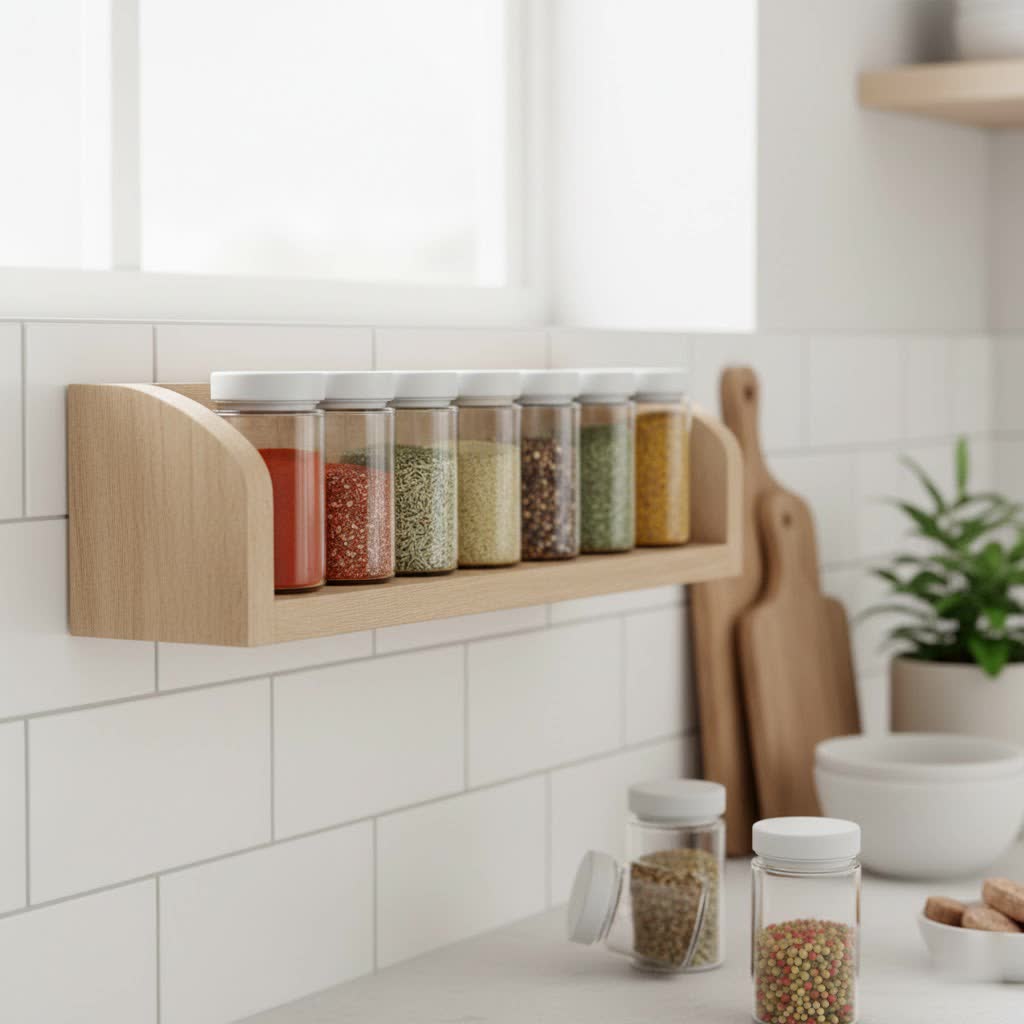
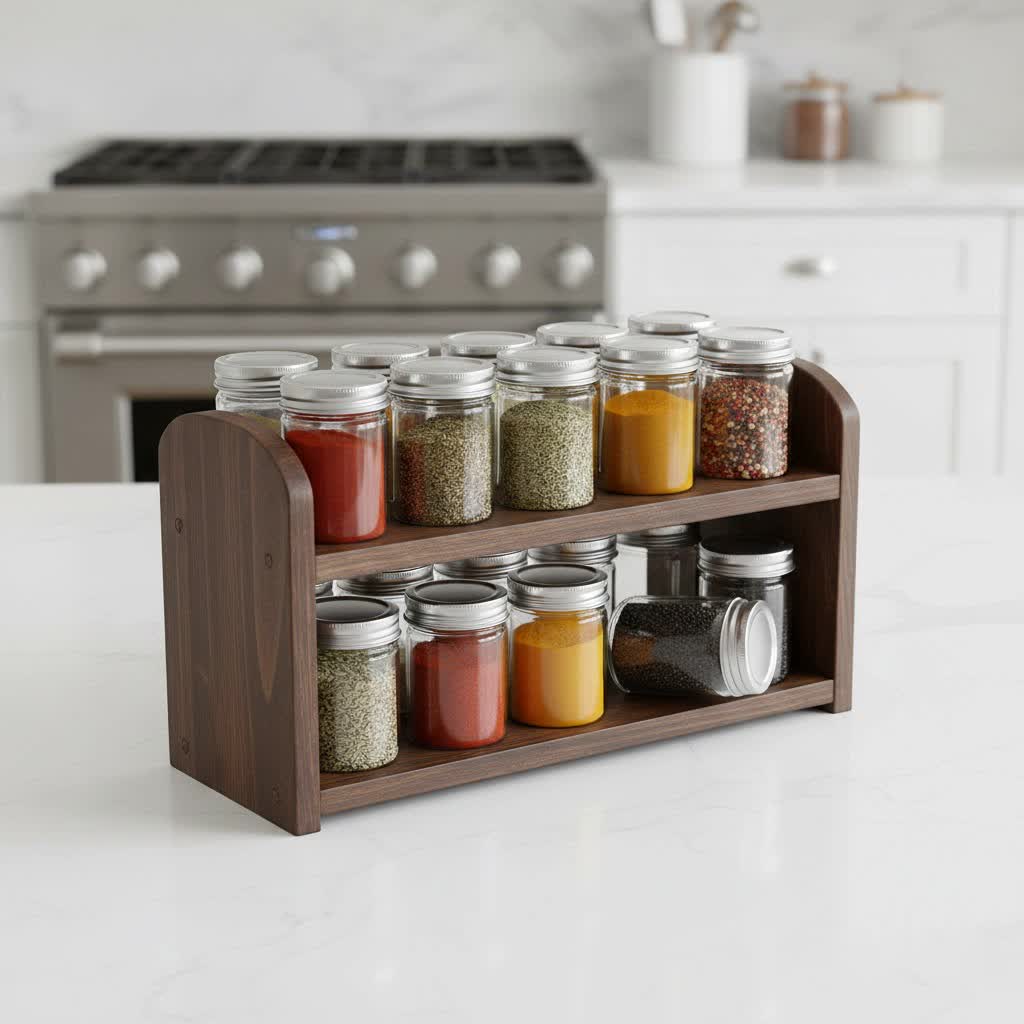
Clear glass spice jars hold a strong appeal for many home cooks. They are undeniably beautiful, allowing the natural colors of your spice collection to create a visually appealing display on an open shelf or countertop. This transparency also offers practical advantages, making spice identification quick and effortless at a glance, eliminating the need to open each jar to confirm its contents.
However, this very transparency is also clear glass’s Achilles’ heel when it comes to spice preservation. Clear glass offers virtually no defense against light exposure, particularly damaging UV rays. Spices stored in clear jars on open shelves or near windows are highly vulnerable to rapid degradation, leading to a noticeable loss of flavor, aroma, and color over time. Studies have shown that spices in clear glass jars exposed to light can lose their potency at a much faster rate compared to those stored in opaque containers.
If you prefer the aesthetic of clear glass jars, the single most critical factor for preserving spice freshness is their placement. They must be stored in a cool, dry, and consistently dark environment. This means tucking them away inside a closed pantry, a drawer, or a cabinet where they are shielded from all forms of light. Without this dedicated dark storage, the convenience and visual appeal of clear glass come at the steep cost of compromised spice quality.
Dark vs. Clear Glass: A Direct Comparison
Choosing between dark and clear glass for your spice storage ultimately comes down to a balance of protection, aesthetics, and practicality. This table highlights the key differences to help you make an informed decision:
| Feature | Dark Glass Jars | Clear Glass Jars |
|---|---|---|
| UV Protection | Excellent; actively blocks harmful light rays. | None; allows full light penetration, accelerating degradation. |
| Flavor/Potency | Maximizes retention of essential oils, extends shelf life. | Faster degradation unless stored in complete darkness. |
| Visual Appeal | Opaque; contents are hidden, creating a uniform look. | Transparent; allows easy visual identification of contents. |
| Cost | Potentially slightly higher due to tinting process. | Generally more affordable and widely available. |
| Ideal Use | All spices, especially light-sensitive ones; long-term storage. | Spices stored exclusively in dark cabinets, drawers, or pantries. |
| Durability | Inherently sturdy, but still susceptible to breakage. | Inherently sturdy, but still susceptible to breakage. |
| Identification | Requires labels; contents not visible. | Easy visual identification; can be used with or without labels. |
Beyond Glass: Other Container Materials
While glass is a preferred material for spice storage due to its non-reactive and airtight properties, other materials offer varying degrees of protection.
- Metal Tins (Stainless Steel): Opaque metal tins provide excellent protection against light and are durable. Stainless steel is non-reactive and offers good airtight seals. However, they can be heavier and don’t allow for visual identification of contents.
- Ceramic Containers: Ceramic offers opaque, airtight storage, effectively blocking light and maintaining a stable temperature. They are aesthetically pleasing but can be fragile and heavier than other options.
- Plastic Containers: Often found with supermarket spices due to their low cost and light weight. However, plastic is generally porous, allowing air to seep in and aromatic oils to escape. It can also absorb odors and flavors from spices, potentially leaching chemicals over time, especially with prolonged storage or exposure to temperature fluctuations. For these reasons, plastic is generally not recommended for long-term spice storage.
Optimal Spice Storage Practices (Regardless of Jar Type)
Even with the perfect container, several other best practices contribute significantly to preserving spice freshness. Implement these habits to get the most out of your culinary investments:
- Ensure Airtight Seals: The most critical factor after light protection is an airtight seal. Oxygen exposure is a primary cause of flavor loss through oxidation. Choose jars with tight-fitting lids, screw tops, or clamp seals to create a protective barrier.
- Choose a Cool, Dry, Dark Location: Regardless of your container, always store spices away from heat, direct sunlight, and humidity. This means avoiding shelves above the stove, next to dishwashers, or near windows. A pantry, drawer, or cabinet is almost always the best location.
- Prioritize Whole Spices: Whenever possible, buy whole spices (e.g., whole cumin seeds, cinnamon sticks, peppercorns) and grind them as needed. Whole spices retain their volatile oils and flavor compounds for much longer than their ground counterparts, often lasting up to three to five years compared to one year for ground spices.
- Use Dry Utensils: Never sprinkle spices directly from the jar into a steaming pot. The steam can introduce moisture into the container, leading to clumping and mold. Instead, use a clean, dry spoon to scoop out the required amount.
- Label and Date: This simple step is often overlooked but incredibly important. Label each jar clearly with the spice name and the date of purchase or when you opened the package. This helps you track freshness and ensures you use older spices first.
- Consider Refrigeration for Certain Spices: While most spices are fine at room temperature in a dark, cool place, some particularly delicate or oil-rich varieties benefit from cold storage. Reddish spices like paprika, cayenne, and chili powder, as well as green herbs (parsley, dill), retain their color and flavor longer in the refrigerator. Seeds with high oil content, such as poppy and sesame, also store best in the fridge to prevent rancidity.
“The true secret to vibrant cooking lies not just in the quality of your ingredients, but in how you cherish and preserve them. A well-stored spice is a promise of flavor that won’t betray your dish.” – Chef Isabella Rossi, Culinary Arts Instructor
Making Your Choice: Dark or Clear?
Ultimately, the choice between dark and clear glass jars depends on your storage environment and aesthetic preferences. If you have the luxury of ample pantry space, drawers, or cabinets where spices will be completely shielded from light, clear glass jars can work well, offering the benefit of visual identification. However, if your spices will be on open shelves, a countertop rack, or any location exposed to ambient light, dark glass or opaque containers are the unequivocal champions for preserving flavor and extending shelf life.
As a seasoned kitchen professional, I advocate prioritizing functionality and preservation. While clear jars are appealing, the risk of flavor degradation outweighs the aesthetic benefit if not stored in absolute darkness. Investing in dark glass jars or ensuring your clear jars live in truly dark storage is a small effort that yields tremendous flavor rewards in your cooking.
Conclusion
The pursuit of culinary excellence begins with fresh ingredients, and spices are no exception. The debate between dark and clear glass for spice storage isn’t merely about aesthetics; it’s about safeguarding the very essence of your dishes. Light, heat, air, and moisture are constant threats to spice potency, and your choice of container is your primary defense.
Dark glass jars offer superior protection against light degradation, making them an ideal choice for maintaining the peak flavor and aroma of your spices over time. While clear glass jars can be beautiful and convenient for identification, their use demands diligent storage in cool, dry, and completely dark environments to prevent rapid flavor loss. By understanding these principles and implementing mindful storage practices, you ensure that every pinch of spice you add to your cooking delivers its full, vibrant promise.
What’s your current spice storage setup, and are you ready to elevate your spice game for richer, more flavorful meals?
Frequently Asked Questions
Why shouldn’t I store spices above the stove?
Storing spices above the stove exposes them to frequent temperature fluctuations and humidity from cooking, which can rapidly degrade their volatile oils and cause flavor loss. The heat and steam accelerate the breakdown of essential compounds, leading to stale, lackluster spices long before their natural shelf life.
How long do spices actually stay fresh?
With proper storage in airtight, dark containers away from heat and moisture, whole spices can maintain their freshness and potency for up to 3-5 years. Ground spices, having more surface area exposed to air, typically last about 1 year. Herbs tend to last slightly less, around 6 months to 1 year. Always check for aroma and color before use; if they’ve faded, it’s time to replace them.
Can I reuse old spice jars?
Yes, you can absolutely reuse old spice jars, provided they are thoroughly cleaned, sterilized, and completely dry before refilling. Glass jars are particularly good for reuse as they don’t absorb odors or flavors. Just be sure to remove old labels and apply new ones with the current spice and date.
What are “volatile oils” in spices?
Volatile oils are the natural chemical compounds within spices that give them their characteristic aroma and flavor. These oils are “volatile” because they easily evaporate when exposed to air, heat, or light, which is why proper storage is crucial to preserving a spice’s potency.