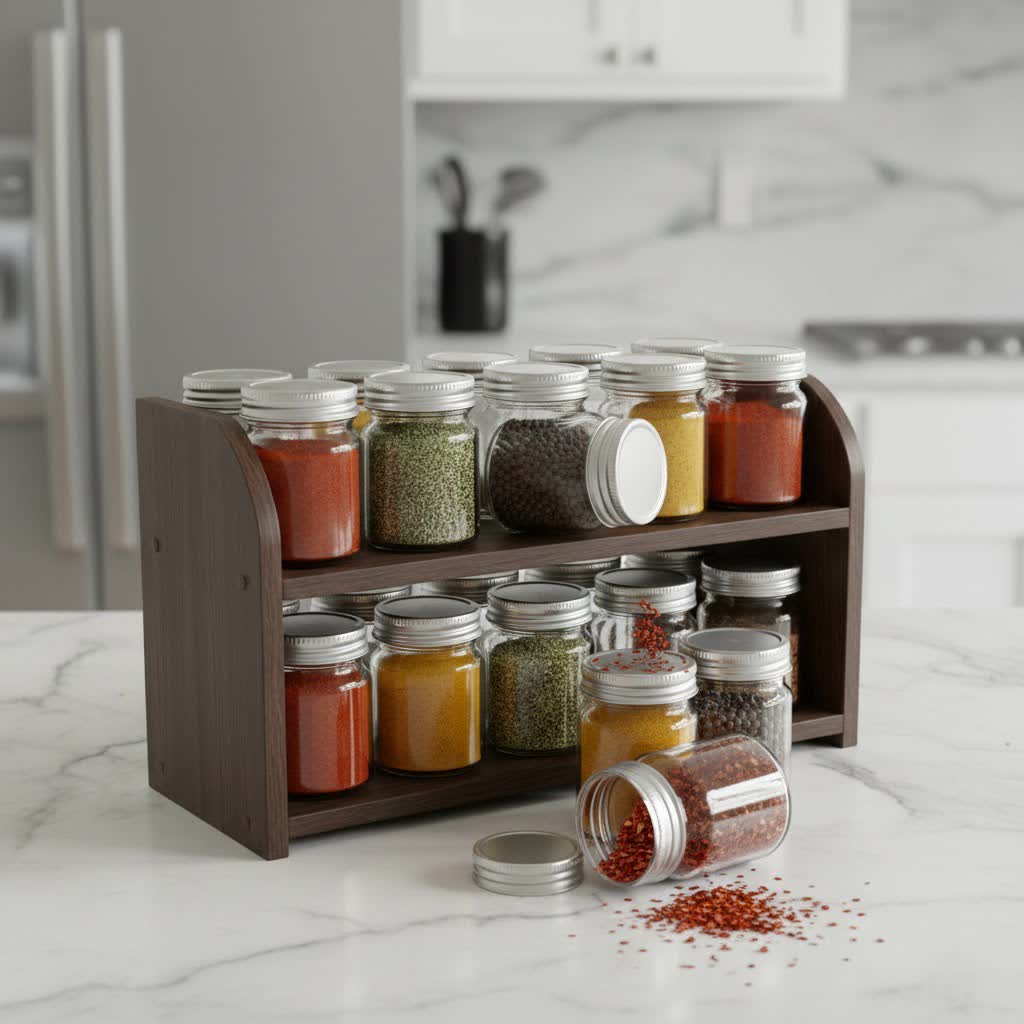
Imagine stepping into your kitchen, ready to cook a delicious Italian pasta or a fragrant Indian curry, only to be met with a jumbled cabinet of spices. The endless search for that elusive oregano or a specific garam masala can quickly turn cooking from a joy into a chore. What if you could transform this chaos into culinary harmony? Organizing your spices by cuisine, specifically focusing on the vibrant worlds of Italian and Indian cooking, can streamline your meal preparation, enhance flavor consistency, and make every cooking experience more enjoyable and efficient. This guide will walk you through creating a system that puts the right flavors at your fingertips, allowing you to focus on the art of cooking.
Why Organize Spices by Cuisine?
A cuisine-specific organization system goes beyond mere tidiness; it’s a strategic approach to cooking. When your Italian herbs are grouped together, and your Indian masalas have their own dedicated zone, you save precious time during meal preparation, eliminating the frustration of hunting for ingredients. This method ensures you always have the appropriate spices readily available for the dish you’re creating, leading to more consistent and authentic flavors. It also encourages culinary exploration by making it easier to identify gaps in your collection for a particular cuisine, prompting you to experiment with new recipes and expand your repertoire with confidence.
Getting Started: Decluttering and Inventory
Before you can organize effectively, it’s essential to clear out the old. Begin by taking every spice, herb, and seasoning out of your cabinets and drawers. This seemingly overwhelming step is crucial for an effective overhaul.
First, check expiration dates. Ground spices typically lose their potency after one to two years, while whole spices can last up to four years if stored correctly. Discard anything past its prime; dull, faded colors and weak aromas are tell-tale signs of expired spices. Next, consolidate duplicates. If you have two half-empty jars of cumin, combine them into one airtight container. Finally, identify your frequently used spices versus those rarely touched. This helps in deciding prime storage locations. Don’t be afraid to part with spices you genuinely don’t use; a streamlined collection is more functional than an overflowing one.
Essential Spices for Italian Cuisine
Italian cuisine, celebrated for its bold yet harmonious flavors, relies on a core set of herbs and spices that form the foundation of countless dishes. Having these readily accessible will transform your pasta, pizza, and sauces.
The undisputed champions include oregano, basil, rosemary, thyme, garlic powder, and red pepper flakes. Basil, often considered the “royal herb,” pairs exquisitely with tomatoes, garlic, and cheese, making it indispensable for marinara and Caprese salad. Rosemary, with its woody and peppery notes, thrives in meat marinades and roasted vegetables. Thyme adds a spicy-sweet touch to soups, sauces, and hearty meat dishes like lamb or beef. Flat-leaf parsley is frequently found in seafood and vegetable sauces, as well as pasta dishes, complementing spicy flavors and even acting as a natural breath freshener when paired with garlic.
Other significant Italian spices include coarse sea salt and fresh ground black pepper, always preferred freshly ground. Coriander is used to season meats and fish, while bay leaves flavor white sauces and marinades. For a touch of heat, red pepper flakes are popular on pizzas and in sauces. Sage is another versatile herb, excellent in pasta dishes like gnocchi and risotto, or with roasted meats. Many Italian seasoning blends combine these key herbs, typically including dried basil, oregano, rosemary, thyme, marjoram, and sage, offering a convenient way to achieve that classic Italian flavor profile.
Essential Spices for Indian Cuisine
Indian cuisine is renowned for its complex and aromatic spice blends that create deep, layered flavors. Organizing your Indian spices by cuisine means having the right whole and ground spices at hand for curries, dals, and biryanis.
Core spices for Indian cooking include cumin, coriander, turmeric, garam masala, cardamom, and mustard seeds. Turmeric provides an earthy flavor and vibrant yellow color, often used in nearly every Indian dish. Cumin seeds and coriander seeds are staples, frequently used whole and fried in oil at the start of cooking, a technique known as “taarka.” Garam masala, a versatile blend of spices like pepper, cinnamon, nutmeg, cardamom, cumin, and coriander, is India’s most famous seasoning, with variations existing across regions.
Beyond these, ginger and garlic are fundamental, often used together as a paste in most curries. Other common spices include fenugreek (seeds and leaves, kasuri methi), chili powder (ranging from mild Kashmiri to hotter Indian red chili), asafoetida (hing), black peppercorns, cloves, and cinnamon/cassia bark. Whole spices like green and black cardamom pods, star anise, and bay leaves (tej patta) contribute distinct aromas and flavors, particularly in dishes like biryani. Traditional Indian kitchens often utilize a masala dabba (spice box), a round container with several compartments, to keep the most frequently used spices organized and easily accessible.
Creating Your Cuisine-Specific Spice Zones
Once you’ve identified your essential spices for Italian and Indian cooking, the next step is to create dedicated “zones” in your kitchen. This involves choosing the right storage solutions and implementing a clear labeling system.
Physical Organization Methods
Consider various options based on your kitchen layout and available space.
- Dedicated Drawers: Use drawer organizers with slanted tiers to keep jars visible and prevent them from rolling around.
- Cabinet Shelves: Tiered shelves can maximize vertical space in cabinets, allowing you to see spices at a glance. Lazy Susans (turntables) are excellent for corner cabinets or deeper shelves, bringing spices to the front with a spin.
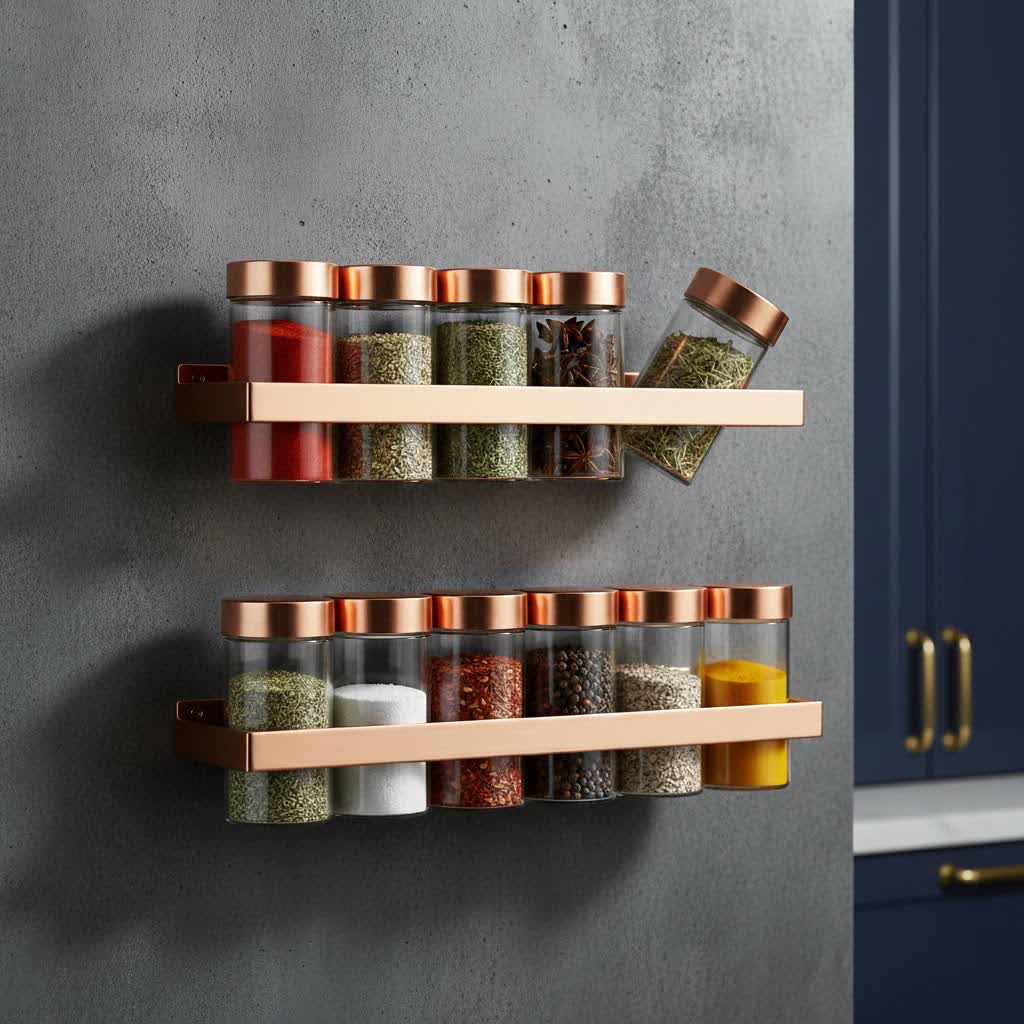
- Wall-Mounted or Door Racks: If cabinet space is limited, wall-mounted racks or those that hang inside pantry doors can be highly effective. Magnetic strips with magnetic spice containers also offer a space-saving solution.
For Italian spices, a small rack near your pasta-making station or a dedicated drawer in your main cooking area might be ideal. For Indian spices, consider a traditional masala dabba for your everyday essentials, with larger, airtight containers for bulk spices stored in a pantry or cooler cabinet.
Labeling Strategies
Clear and consistent labeling is paramount to maintaining your organized system.
- Visible Labels: Apply labels to the tops of lids if stored in a drawer, or to the sides of jars if on a shelf.
- Consistency: Use a label maker or consistent handwriting for a uniform look.
- Information: Include the spice name and the purchase or expiration date to help you track freshness.
Containers
Using uniform, airtight containers not only looks aesthetically pleasing but also helps preserve freshness.
- Material: Glass, stainless steel, or ceramic containers are generally recommended as they prevent premature oxygenation and moisture ingress better than plastic. Some highly aromatic spices like cloves and star anise can even degrade plastic over time due to their essential oils.
- Size: Choose containers appropriate for the amount of spice you typically keep. Having smaller jars for frequently used spices and larger ones for bulk refills can be efficient.
- Stackable Designs: Look for stackable jars if you have limited horizontal space.
Beyond Italian and Indian: Adapting the System
The beauty of organizing by cuisine is its adaptability. Once you’ve mastered Italian and Indian, you can easily extend this system to other culinary traditions you enjoy.
To expand, identify the core spices for your next favorite cuisine—be it Mexican, Thai, or Mediterranean. For instance, a Mexican zone might include cumin, chili powder, paprika, and oregano. For Thai, consider lemongrass, galangal, kaffir lime leaves, and a variety of chili flakes. Create new dedicated zones or simply add to existing “general use” areas with a clear demarcation. As you acquire new spices, promptly integrate them into their respective cuisine categories, ensuring your system remains fluid and functional. Remember, the goal is to make your spice collection a tool that empowers your cooking, not a source of clutter.
Maintaining Your Organized Spice Collection
An organized spice collection is a dynamic system, not a one-time project. Regular maintenance ensures its longevity and effectiveness.
Regular Audits
Periodically, perhaps every 3-6 months, perform a quick audit of your spice collection. Check for freshness, replenish low stock, and reorganize any items that have strayed from their designated zones. This prevents accumulation and keeps your system efficient.
Refilling and Restocking Strategies
Consider buying spices in bulk for frequently used items, storing the main supply in a cool, dark place, and refilling smaller, everyday jars as needed. This minimizes clutter in your primary cooking area and ensures a fresh supply.
Keeping Spices Fresh
Proper storage is crucial for preserving the flavor and potency of your spices.
- Location: Always store spices in a cool, dark, dry place, away from direct sunlight, heat sources (like the stove), and moisture. Heat and light are enemies of spice freshness.
- Airtight Containers: As mentioned, use airtight glass or metal containers to protect spices from air and humidity.
- Freezing: For long-term storage of whole spices or less frequently used robust herbs like rosemary or thyme, freezing can extend their shelf life. However, be mindful that some herbs like basil do not fare well in the freezer, turning brown and losing flavor.
Buying Guide: Selecting the Right Spice Storage
Choosing the best spice storage solutions involves considering several factors to match your kitchen’s needs and your cooking style.
- Budget: Spice organization solutions range from affordable drawer inserts to high-end custom racks. Determine what you’re willing to invest, but remember that functional solutions don’t always require a large budget. Reusing clean glass jars can be a cost-effective start.
- Material: Prioritize glass, stainless steel, or ceramic for maximum freshness and durability. While plastic can be an option for some spices, be aware of potential degradation with highly potent spices.
- Size and Capacity: Assess the volume of spices you typically keep. Do you buy in bulk, or small quantities? Ensure your chosen system can accommodate your current collection and allow for future expansion.
- Style: While functionality is key, the aesthetics of your storage can enhance your kitchen’s overall look. Choose a style that complements your existing decor.
Conclusion
Organizing your spices by cuisine, focusing on beloved traditions like Italian and Indian cooking, is more than just tidying up; it’s an investment in your culinary journey. By decluttering, identifying essential flavors, implementing smart storage solutions, and maintaining your system, you transform kitchen chaos into an intuitive, efficient space. This approach not only saves time and reduces waste but also deepens your connection to the food you create, allowing you to explore new recipes with confidence and joy. So, take the first step today – you’ll be amazed at how a well-organized spice collection can elevate your home cooking. Which cuisine will you master next with your newfound organization?
Frequently Asked Questions
What’s the best way to store fresh herbs for specific cuisines?
Fresh herbs, like basil for Italian dishes or curry leaves for Indian meals, are best stored in the refrigerator. Wrap them loosely in a damp paper towel and place them in an airtight container or a plastic bag. Some, like basil, can be kept at room temperature with stems in water, but generally, refrigeration prolongs freshness.
Can I combine spices from different cuisines in one area?
While the core principle is cuisine-specific zones, a “general use” section for staples like salt, pepper, and everyday cooking oils is practical. For less frequently used spices or those crossing multiple cuisines, a designated “international” section works well, but still aim to group related items within it.
How often should I review my spice collection?
A thorough review, including checking expiration dates and potency, is recommended every six to twelve months. This helps maintain freshness, prevents waste, and ensures your collection remains organized and effective.
What are some common mistakes when organizing spices?
Common mistakes include storing spices near heat sources like the stove (which degrades flavor), using non-airtight containers, not labeling jars clearly, and letting too many duplicates accumulate. Over-reliance on plastic containers can also be an issue for highly aromatic spices.