Imagine preparing a dish, reaching for your favorite cumin or paprika, only to find its once vibrant aroma has faded, leaving your meal bland and uninspired. Many home cooks face this disappointment, unaware that the culprit often isn’t old spices, but rather improper storage. The subtle magic of herbs and spices lies in their delicate essential oils, pigments, and volatile compounds, all of which are highly susceptible to environmental factors. Understanding these vulnerabilities is the first step toward preserving their potency and ensuring every meal is bursting with flavor. The key to unlocking this culinary secret? Your dark kitchen cupboards.
The Science of Spice Degradation: Enemies of Flavor
Spices, whether whole or ground, are potent botanical treasures, but their complex chemistry makes them vulnerable. Several environmental factors actively work against their longevity and flavor profile.
Light: The Invisible Stripper
Table is empty.Light, particularly ultraviolet (UV) rays, is a silent destroyer of spice quality. It initiates photolytic reactions, breaking down the molecular bonds of essential oils, pigments, and even beneficial antioxidants found in spices. This process, often accelerated by heat, leads to a noticeable loss of color, aroma, and flavor. Pigmented spices like paprika, turmeric, and saffron are especially susceptible, visually fading as their vibrant hues—and the flavor compounds responsible for them—deteriorate. Similarly, leafy dried herbs lose their chlorophyll and essential oils, becoming dull and less aromatic.
Heat: The Evaporator
High temperatures are another major adversary for spices. Heat provides energy to the volatile compounds that give spices their distinctive aromas and flavors, causing them to evaporate more rapidly [cite: 3_1, 2]. This means every time you open a container of spices stored above a hot stove or near an oven, those precious aromatic molecules are escaping into the air, rather than into your food. Consistent exposure to warmth also accelerates oxidation, further diminishing potency. Many food scientists estimate that spice potency can decrease by half when stored in warm, bright conditions compared to a cool, dark, dry environment.
Air and Moisture: The Oxidation & Clumping Culprits
Exposure to air is a significant factor in spice degradation. Oxygen triggers oxidation, a chemical process that breaks down essential oils, leading to stale or even rancid flavors over time [cite: 4_1]. Ground spices, with their increased surface area, are particularly prone to oxidation compared to whole spices [cite: 1_1]. Furthermore, moisture, often present in a busy kitchen, is detrimental. Spices are hygroscopic, meaning they readily absorb moisture from the air. This can cause ground spices to clump, alter their weight, dilute their flavor, and, most concerningly, promote mold growth, especially in warm, humid conditions [cite: 1_1, 4_1].
The Dark Cupboard Advantage: A Sanctuary for Your Spices
Considering the destructive power of light, heat, and moisture, the solution for optimal spice storage becomes clear: a dark cupboard. These enclosed spaces offer a multifaceted defense, creating an ideal microenvironment for your culinary essentials.
Protection from Light
The primary and most significant advantage of dark cupboards is their ability to completely block out light. By shielding spices from direct and indirect light sources, you prevent the photolytic degradation of essential oils, pigments, and antioxidants. This ensures that the vibrant colors and complex flavors you purchased remain intact, delivering their full impact when added to your dishes.
Temperature Stability
Unlike open shelves or countertops that are exposed to ambient kitchen temperatures and fluctuations from cooking, cupboards often provide a more stable, cooler environment. While not actively refrigerated, the enclosed space helps buffer against extreme heat, especially if the cupboard is not directly above a stove or oven [cite: 1_1, 4_1]. This consistent temperature reduces the rate at which volatile compounds evaporate, further preserving flavor.
Reduced Air & Humidity Fluctuations
A closed cupboard acts as a protective barrier against circulating air and sudden changes in humidity. While airtight containers are essential for individual spice protection, the cupboard itself adds an extra layer of defense against ambient moisture, which is prevalent in kitchens [cite: 4_1]. This minimized exposure to air and humidity helps prevent oxidation, clumping, and the growth of undesirable mold [cite: 1_1].
Extended Shelf Life
By mitigating the “enemies of flavor,” dark cupboards significantly extend the shelf life and potency of your spices. Stored under these ideal conditions—cool, dark, and dry—whole spices can retain their quality for 2-3 years, and ground spices for approximately one year, with some variations depending on the spice [cite: 1_1, 2_2]. This contrasts sharply with spices stored poorly, which can lose potency much faster.
Comparison: Dark Cupboard vs. Other Storage Methods
Understanding why dark cupboards are superior is further highlighted by comparing them to less-than-ideal alternatives.
Countertop & Open Shelves: The Convenience vs. Degradation Trade-off
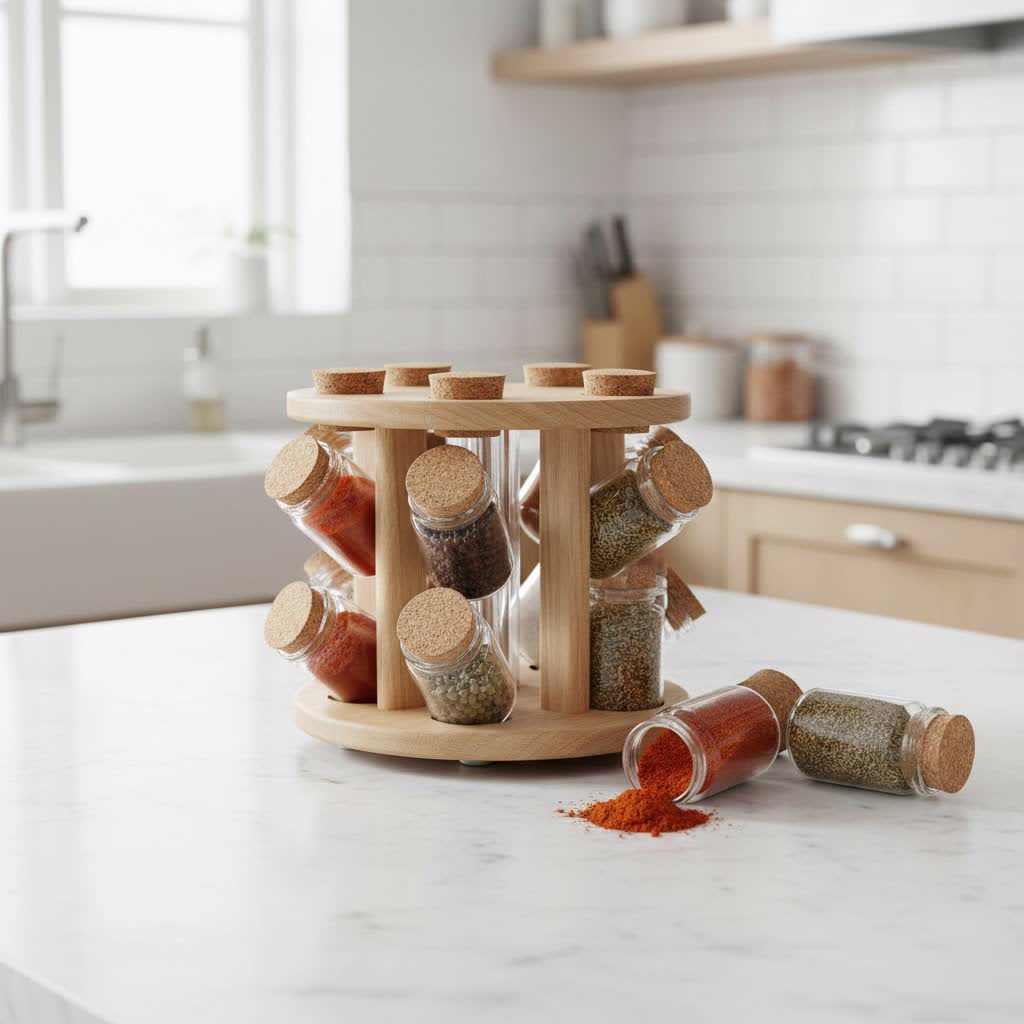
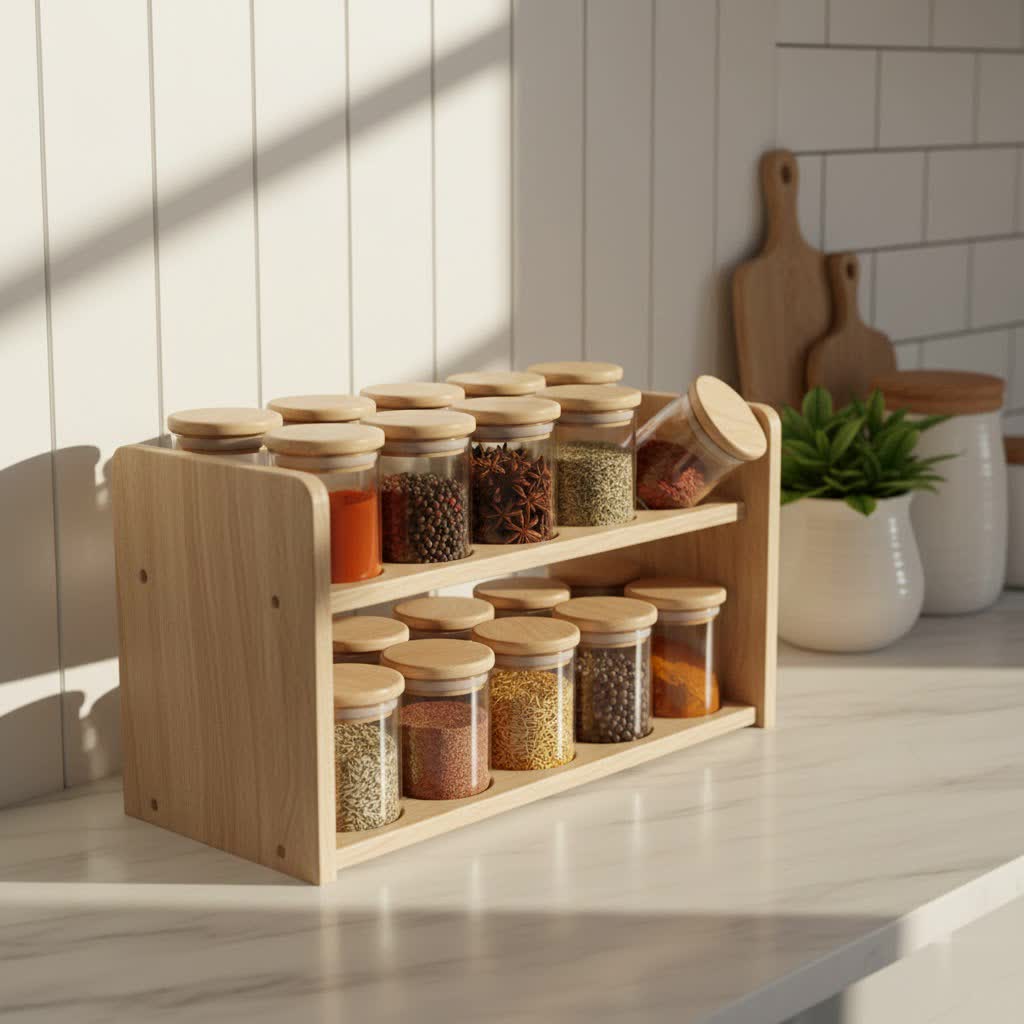
Many kitchens feature attractive countertop spice racks or open shelving, offering immediate access and a decorative element. However, this convenience comes at a significant cost to flavor. Spices on countertops are constantly exposed to ambient light, heat, and air, leading to rapid degradation [cite: 1, 2_2]. While visually appealing, this method is fundamentally at odds with spice preservation.
Above the Stove: The Absolute Worst Place
The cabinet or rack directly above the stove is arguably the most common, yet most detrimental, location for spice storage. This area is a triple threat, bombarding spices with constant heat, light (from kitchen lighting), and humidity from cooking steam [cite: 1_1, 2_2]. Spices stored here will lose their potency at an accelerated rate, often becoming flat and tasteless long before their expiration date.
Pantry vs. Refrigerator/Freezer: When Other Dark Spaces or Cold Storage Are Appropriate
A dedicated pantry, if it’s cool, dark, and dry, offers similar benefits to a kitchen cupboard and is an excellent option for bulk storage or less frequently used spices [cite: 2_2, 3_1].
Refrigeration is generally not recommended for most spices due to the higher humidity levels, which can lead to clumping and mold [cite: 2_2, 3_1]. However, freezing can be beneficial for specific types of spices, particularly whole spices like peppercorns, to extend their life over very long periods, or for extremely volatile spices, provided they are stored in airtight containers to prevent moisture absorption and freezer burn.
“The difference in flavor between a spice stored correctly in a dark, cool place and one left on an open shelf is astounding. It’s like comparing a freshly picked herb to dried straw.” – Chef Anya Sharma, Culinary Flavor Expert
Optimizing Your Dark Cupboard Spice Rack Storage
Simply putting spices in a dark cupboard is a great start, but maximizing their longevity and your kitchen efficiency requires a thoughtful approach to organization and container choice.
Choosing the Right Containers
Even within a dark cupboard, the right container makes a difference. Airtight containers are paramount, as they prevent air and moisture from reaching your spices [cite: 1_1, 4_1]. While clear glass jars are fine if kept inside a dark cupboard, opaque or tinted glass (like amber) or stainless steel tins offer an extra layer of protection if accidentally exposed to light when the cupboard door is open [cite: 2_1, 3_1]. Ensure lids fit snugly to maintain an effective seal.
Selecting the Best Spice Racks for Cupboards
Dark cupboards, by nature, can be tricky for visibility. The best spice rack solutions are those that maximize space and accessibility within this enclosed environment:
- Drawer Inserts/Organizers: These allow you to store jars horizontally, making labels easy to read at a glance. They keep spices away from light and heat effectively.
- Pull-Out Cabinet Racks: These systems, often on glides, bring your entire spice collection out of the dark depths of the cupboard, offering full visibility and easy access.
- Door-Mounted Racks: Utilizing the inside of your cabinet doors can free up shelf space and keep spices conveniently organized. Just ensure the door closes completely.
- Tiered Shelves/Risels: These allow you to see spices on higher levels without having to remove those in front, preventing forgotten jars at the back of the cupboard.
Organization and Accessibility
Even in the dark, an organized system is key.
- Labeling: Clear, large labels on jar tops (for drawer storage) or sides are essential. Include the spice name and purchase date.
- Alphabetizing or Grouping: Organize spices alphabetically or by cuisine type to quickly find what you need.
- Decanting: Transferring spices from bulky bags or mismatched containers into uniform, airtight jars creates a cohesive, space-efficient system.
Beyond the Cupboard: Comprehensive Spice Preservation Tips
While dark cupboard storage is foundational, these additional practices further enhance spice freshness.
Buy Smart
Consider buying whole spices rather than pre-ground. Whole spices retain their flavor and essential oils far longer because they have less surface area exposed to oxygen. If you do buy ground, purchase in smaller quantities that you can realistically use within 6-12 months [cite: 4_1]. This minimizes the time they spend losing potency on your shelf.
Grind Fresh
For maximum flavor and aroma, invest in a spice grinder (or even a coffee grinder dedicated to spices) and grind whole spices just before use. The difference in taste is remarkable, providing a much more vibrant and potent seasoning experience [cite: 4_1].
Regular Inventory and Rotation
Periodically go through your spice collection. Use your senses—smell and taste—to check for freshness. If a spice has lost its aroma or flavor, it’s time to replace it. Labeling with purchase dates helps with this rotation [cite: 4_1].
Conclusion
The vibrant world of flavors that spices offer is a cornerstone of great cooking. Protecting these delicate ingredients from light, heat, and moisture is not just a best practice; it’s a culinary necessity. By embracing the simple yet profoundly effective strategy of storing your spice rack in a dark, cool, and dry cupboard, you actively preserve their essential oils, maintain their potent aromas, and ensure every pinch adds the intended depth and character to your meals. Make the switch to dark cupboard storage, and rediscover the true power of fresh, flavorful spices in your kitchen. What culinary delights will you unlock with perfectly preserved spices?
Frequently Asked Questions
How long do spices last in a dark cupboard?
When stored correctly in a cool, dark, and dry cupboard in airtight containers, whole spices can maintain their potency for 2-3 years, while ground spices typically last around one year. Proper storage significantly extends their useful life compared to open-air or light-exposed methods [cite: 1_1, 2_2].
Should I use clear or opaque jars in a dark cupboard?
While opaque or tinted jars offer superior light protection if accidentally exposed, clear glass jars are perfectly acceptable for spice storage within a consistently dark cupboard or drawer. The key is that the spices are not exposed to light. Ensure all containers are airtight to prevent air and moisture degradation [cite: 3_1].
Can I store spices above the stove if they are in a closed cupboard?
Even a closed cupboard above the stove is not ideal. This location is consistently exposed to significant heat and humidity from cooking, which accelerates the degradation of spices. It’s always best to choose a cupboard that is as far as possible from heat-generating appliances to maintain a cool, stable environment [cite: 1_1, 2_2, 4_1].
What about storing spices in the refrigerator?
Storing most spices in the refrigerator is generally not recommended. Refrigerators often have higher humidity levels, which can cause ground spices to clump and may promote mold growth. However, airtight freezing can be suitable for long-term storage of certain whole spices to extend their freshness for years [cite: 2_2, 3_1].