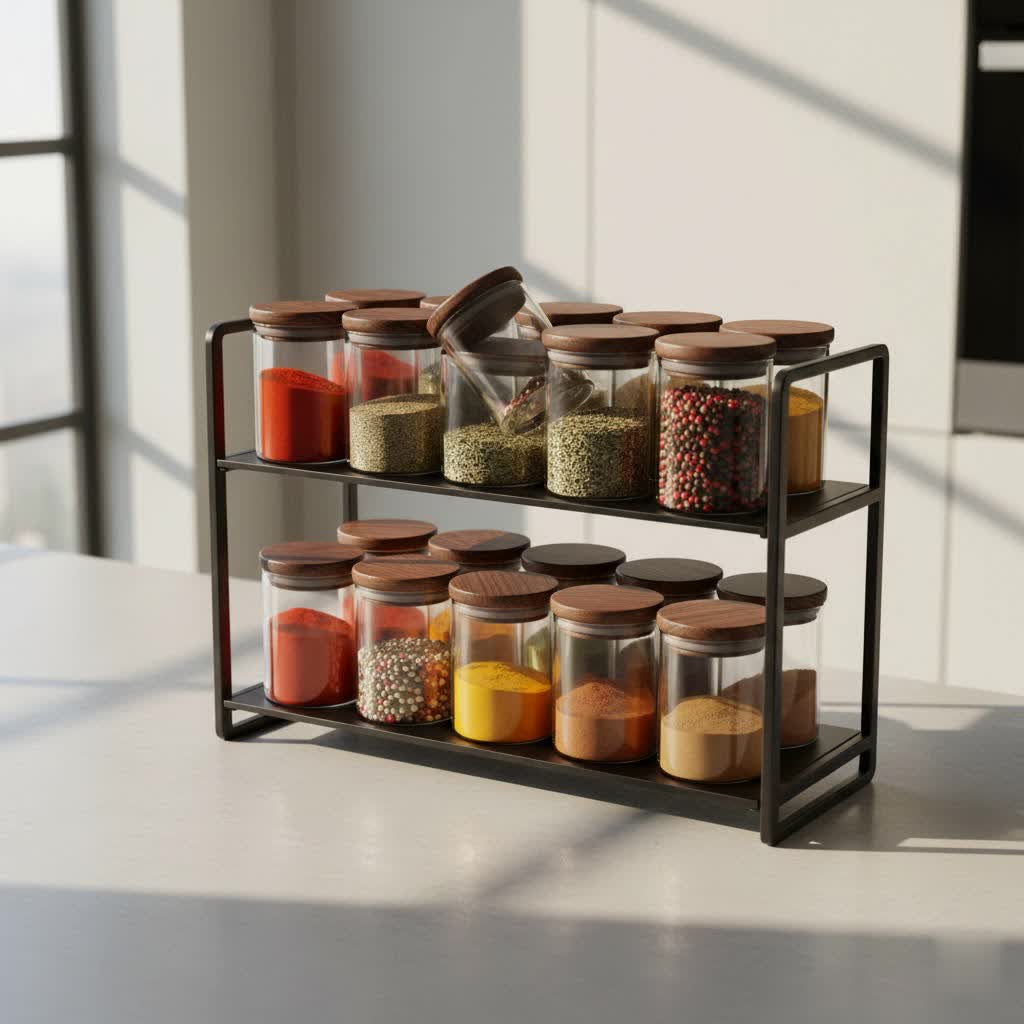
Are you tired of rummaging through a cluttered cabinet, desperately searching for that elusive pinch of cinnamon or a dash of nutmeg while your batter waits? For any home baker, the disarray of a disorganized spice collection can turn the joy of creating into a frustrating chore. A dedicated spice rack isn’t just about neatness; it’s a fundamental upgrade that transforms your baking experience, ensuring efficiency, preserving flavor, and inspiring culinary creativity.
This guide will explore why a specialized rack for your baking spices is a must-have, detailing popular types, materials, and smart organization strategies to help you whip up delicious treats with ease.
Common Baking Spices and Their Importance
Baking is an art that heavily relies on precise flavors and aromas. A specific set of spices forms the heart of most sweet and savory baked goods, each contributing a unique character.
- Cinnamon: This ubiquitous spice provides a warm, sweet, and slightly peppery note, essential for everything from apple pie to snickerdoodles. Different varieties, like robust Vietnamese (Saigon) or milder Ceylon cinnamon, offer nuanced profiles.
- Nutmeg: Valued for its rich, sweet, and slightly pungent flavor, fresh-grated nutmeg adds depth to custards, eggnogs, and spiced breads.
- Cloves: With an intense, sweet-spicy aroma, cloves are used sparingly to impart a deep, warm undertone, particularly in gingerbread, fruit tarts, and spiced glazes.
- Allspice: A single berry that magically combines the flavors of cloves, nutmeg, and cinnamon, making it a versatile staple in many traditional baked goods.
- Ginger: Whether in ground form for cookies and cakes or fresh for glazes and syrups, ginger offers a distinct zesty, warm, and subtly peppery kick.
- Cardamom: A highly aromatic spice with a unique citrusy, floral, and slightly spicy profile, cardamom is a star in Scandinavian pastries and many global desserts.
- Vanilla Beans/Extract: While botanically a fruit, vanilla is treated as a spice in baking, offering an irreplaceable sweet, creamy, and fragrant foundation to virtually any dessert.
The potency of these ingredients is delicate. Exposure to air, light, and humidity rapidly diminishes their flavor and aroma, directly impacting the quality of your baked creations. Proper storage is not merely a suggestion; it’s a requirement for achieving truly exceptional results.
Why a Dedicated Rack is a Baking Game-Changer
Adopting a specialized storage solution for your baking spices provides a wealth of advantages that streamline your process and enhance your final products.
- Enhanced Organization and Accessibility: Picture a world where every baking spice has its rightful place, visible and within easy reach. A dedicated rack eliminates the frustrating search for specific jars, allowing you to quickly grab the cinnamon for your crumble or the cardamom for your rolls. This organization reduces stress and makes your baking flow effortlessly.
- Preservation of Freshness and Flavor: Spices are perishable, and their essential oils degrade with exposure to environmental factors. Many spice racks, especially those with enclosed or opaque containers, shield your spices from damaging light and air. This protection helps maintain their vibrant flavor and potency, ensuring your baked goods always taste their best.
- Space Optimization: Kitchens, whether grand or compact, can always benefit from smart storage. Spice racks effectively utilize vertical space on walls, inside cabinets, or on countertops, freeing up valuable real estate for mixing bowls, stand mixers, and other essential baking tools.
- Boosted Baking Efficiency: When your ingredients are organized and accessible, your baking workflow becomes significantly more efficient. Reduced searching time means you can focus more on the art of baking itself, from precise measurements to creative decoration, making the entire process more enjoyable and less prone to errors.
- Encourages Culinary Experimentation: A beautifully organized and visible collection of spices invites you to be more adventurous in your baking. Seeing your array of fragrant options might inspire you to try a new recipe, experiment with unique flavor pairings, or adapt a classic for a fresh twist, expanding your culinary horizons.
- Aesthetic Appeal: Beyond its practical benefits, a dedicated spice rack can significantly enhance the visual appeal of your kitchen. Available in various designs and materials, it can serve as a stylish focal point, reflecting your personal taste and adding a professional touch to your baking haven.
“A well-organized spice collection isn’t just tidy; it’s a foundation for consistent, delicious baking.” – Elena Petrova, Award-Winning Pastry Chef
Types of Spice Racks Perfect for Baking
Choosing the ideal spice rack involves understanding the different styles and how they fit into your kitchen’s layout and your baking routine.
Countertop Spice Racks
- Description: These freestanding units are designed to sit directly on your kitchen counter. They range from simple tiered shelves to rotating carousels.
- Pros: Offer immediate, easy access to frequently used spices. Many designs are visually appealing, adding to kitchen decor. Revolving racks provide 360-degree visibility.
- Cons: Occupy valuable counter space, and spices are more exposed to light, which can accelerate flavor loss if jars are transparent.
- Best for: Bakers with generous counter space who prefer their essential spices readily visible and within arm’s reach.
Wall-Mounted Spice Racks
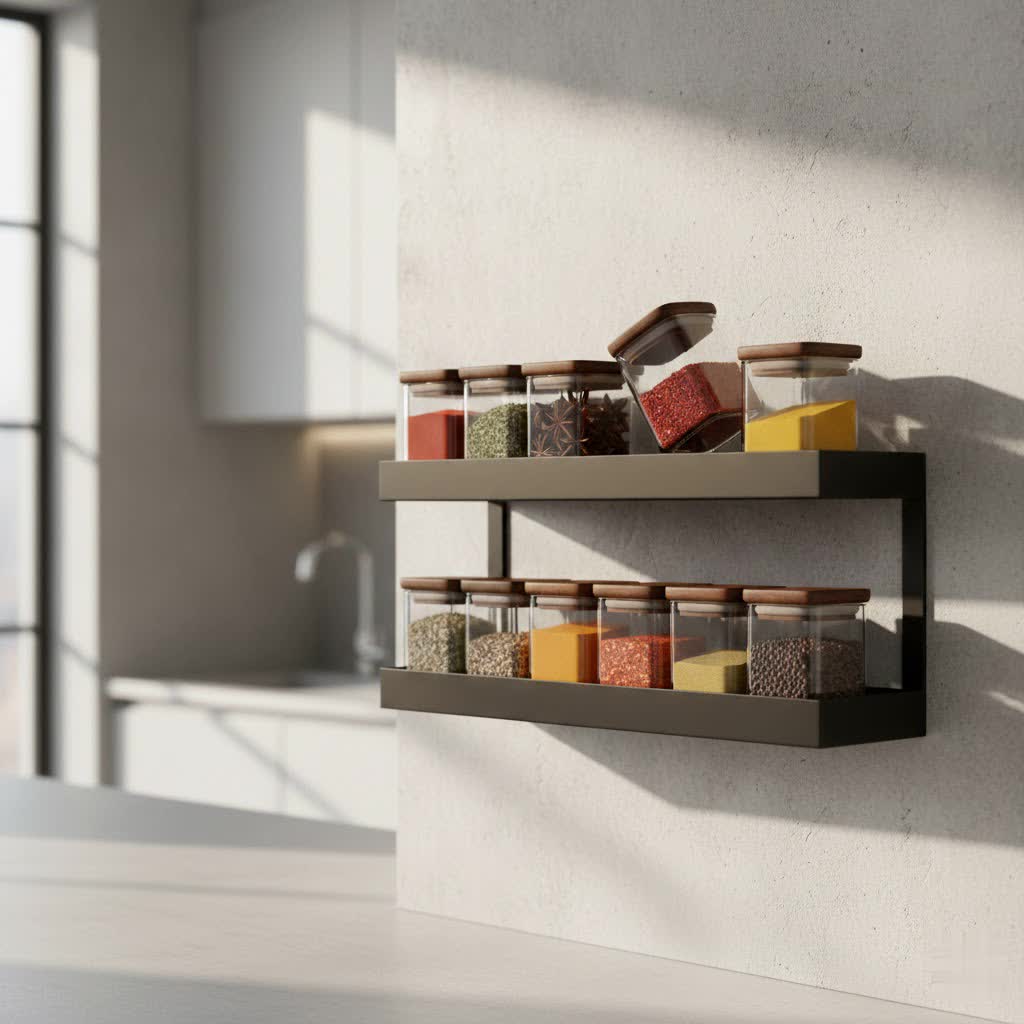
- Description: Racks that are securely affixed to a kitchen wall or the inside of a pantry/cabinet door, typically featuring multiple levels of shelving.
- Pros: Excellent for maximizing vertical storage and keeping countertops clear. Spices remain visible and easily accessible without taking up horizontal space.
- Cons: Requires drilling or strong adhesives for installation, meaning a more permanent fixture.
- Best for: Small kitchens or anyone aiming for a clean, uncluttered counter space while maintaining spice visibility.
Drawer Spice Organizers
- Description: Inserts or tiered trays specifically designed to fit within kitchen drawers. Spices are stored lying flat or at an angle, with labels facing upwards.
- Pros: Keeps spices neatly out of sight and protected from light, which is crucial for preserving potency. Frees up both counter and cabinet space.
- Cons: Requires dedicated drawer space that might otherwise be used for utensils or other tools. May not accommodate very tall spice jars.
- Best for: Achieving a minimalist kitchen aesthetic and optimal long-term spice preservation.
Pull-Out/Slide-Out Cabinet Racks
- Description: These narrow, multi-tiered racks are installed inside a cabinet and slide out smoothly on glides. Spices are typically held vertically on both sides of the unit.
- Pros: Efficiently utilizes deep cabinet space, making it easy to see and access spices that might otherwise get lost at the back. Protects spices from light.
- Cons: Requires cabinet modification for installation, which can be more involved. Often a higher price point than other options.
- Best for: Deep pantries or lower cabinets where reaching items at the rear is a challenge.
Magnetic Spice Racks/Jars
- Description: Consists of individual magnetic spice jars or a magnetic strip that adheres to metallic surfaces like a refrigerator, microwave, or a dedicated metal board.
- Pros: Offers highly flexible placement options, saving both counter and cabinet space. Can be arranged creatively for an artistic kitchen display.
- Cons: Requires a suitable ferromagnetic surface. Some magnetic jars may not hold heavier spices securely over time. Spices are often visible, so opaque jars are recommended.
- Best for: Contemporary kitchens, small living spaces, or those who enjoy customizable and visually dynamic storage.
Comparing Spice Rack Materials
The material of your spice rack is a key consideration, impacting its durability, ease of maintenance, and how it blends with your kitchen’s design.
| Feature | Wooden Spice Racks | Metal Spice Racks (Stainless Steel, Wire, Chrome) | Plastic/Acrylic Spice Racks |
|---|---|---|---|
| Durability | Medium; can warp or scratch over time if not cared for | High; resistant to bending, chipping, and wear | Low to Medium; prone to scratching, cracking, or yellowing |
| Aesthetics | High; offers a warm, classic, and natural feel | Medium to High; provides a sleek, modern, or industrial look | Low to Medium; often clear for visibility, can look less premium |
| Cost | Generally higher | Medium | Generally lower |
| Maintenance/Cleaning | Can be challenging; susceptible to moisture damage; requires careful wiping | Very easy to wipe clean; often dishwasher safe; rust-resistant options available | Very easy to clean; can be washed with soap and water |
| Moisture Resistance | Poor; can absorb moisture, leading to warping or mold | Excellent; naturally resistant to moisture and humidity | Good; non-porous and water-resistant |
| Common Styles | Countertop, drawer inserts, some wall-mounted racks | Wall-mounted, pull-out, magnetic, revolving, countertop, drawer inserts | Drawer inserts, basic countertop, magnetic |
- Wood: Bestows a timeless, natural elegance, complementing traditional or rustic kitchen decors. However, wood is porous and can absorb moisture, potentially leading to warping or mildew if not properly maintained. It may also stain from spills.
- Metal (Stainless Steel, Wire, Chrome): Renowned for its superior durability, easy maintenance, and inherent resistance to moisture and rust (especially stainless steel). Wire racks are excellent for ventilation, keeping spices dry and preventing clumping. Metal options offer a sleek, industrial, or modern aesthetic.
- Plastic/Acrylic: These materials are typically the most economical and lightweight. Plastic is very easy to clean and often clear, allowing for quick identification of spices. Acrylic offers a more refined, glass-like transparency. However, they are generally less durable than metal or wood, prone to scratching, and can yellow or become brittle over extended use.
How to Choose the Perfect Baking Spice Rack
Selecting the right spice rack for your baking needs involves a thoughtful assessment of your current collection, kitchen layout, and personal preferences.
- Assess Your Spice Collection: Take stock of how many baking spices you have and how you typically purchase them (pre-filled jars, bulk bags). This will help you determine the necessary capacity of your rack.
- Evaluate Your Kitchen Space:
- Countertops: If you have ample clear counter space, a countertop or revolving rack offers unparalleled convenience.
- Walls/Cabinet Doors: For kitchens with limited horizontal space, wall-mounted or over-the-door racks are excellent for utilizing vertical areas.
- Drawers/Cabinets: If you prefer a minimalist look or want to protect your spices from light, drawer inserts or pull-out cabinet racks are ideal solutions.
- Consider Material and Style: Choose a material and design that harmonizes with your kitchen’s existing decor. A rustic-themed kitchen might be best served by wood, while a modern space could benefit from sleek stainless steel or clear acrylic.
- Prioritize Accessibility: How quickly do you need to reach your spices during a baking frenzy? Revolving racks offer quick spins, pull-out systems provide full visual access, and tiered organizers bring everything into view.
- Think About Future Growth: Do you envision expanding your collection of exotic baking spices? Look for expandable, modular, or stackable rack systems that can adapt as your needs evolve.
- Set a Budget: Spice racks come in a wide price range. Determine your budget to help narrow down options that balance desired features with affordability.
Where to Buy Quality Spice Racks
Finding the perfect spice rack is easier than ever, with numerous reputable retailers offering a vast selection both online and in brick-and-mortar stores.
- Online Retailers: Websites like Amazon, Wayfair, The Container Store, and Crate & Barrel boast extensive inventories, often with competitive pricing, detailed product descriptions, and valuable customer reviews. These platforms are excellent for discovering a wide range of styles, from basic functional units to specialized, high-end designs.
- Home Goods Stores: Stores such as HomeGoods, TJ Maxx, and Marshalls frequently carry unique and stylish spice racks at discounted prices. Inventory here is often dynamic, offering opportunities to find unexpected gems.
- Kitchen Supply Stores: Dedicated kitchenware shops like Williams-Sonoma and Sur La Table often stock higher-quality, chef-grade spice organization systems, which might come with a premium price but offer superior durability and design.
- Department Stores: Larger department stores such as Macy’s and Kohl’s typically feature a selection of popular and reliable spice rack options.
When making a purchase, always compare features, read product reviews, and verify the dimensions to ensure the rack fits your intended space and accommodates your spice jars.
Installing Your Spice Rack with Ease
Most spice racks are designed for straightforward installation, making them an achievable DIY project for many home bakers.
- Read Instructions Carefully: Always begin by thoroughly reviewing the manufacturer’s specific instructions, as installation steps can vary significantly between models.
- Gather Your Tools: Generally, you’ll need a drill, a screwdriver, a level, a measuring tape, and a pencil. For wall-mounted racks, ensure you have appropriate wall anchors.
- Choose the Right Location: For wall-mounted racks, select a spot away from direct heat sources (like the stove) and direct sunlight, as these can accelerate spice degradation. Ensure adequate clearance for cabinet doors if installing inside.
- Measure and Mark: Use your level and measuring tape to precisely mark the points where screws or adhesive strips will be placed. Accuracy here is crucial for a straight and secure setup.
- Install the Hardware: Securely fasten any mounting brackets, anchors, or adhesive strips as per the instructions. If drilling into cabinets, confirm screws are not too long to avoid piercing the opposite side.
- Mount the Rack: Carefully attach the spice rack to the installed hardware, ensuring it feels firm and stable before loading it with spices.
- Safety First: Double-check all fastenings to guarantee the rack is securely installed, preventing any potential falls or damage.
Smart Organization Tips for Your Baking Spices
Once your rack is installed, thoughtful organization is key to maximizing efficiency and preserving the freshness of your baking spices.
- Categorize Your Spices: Group all your baking spices together. You can further organize them alphabetically, by frequency of use (keeping daily essentials at eye level), or by flavor profile (e.g., warm spices together).
- Use Uniform Jars: Transferring spices into matching, airtight jars creates a cohesive, aesthetically pleasing look and allows for consistent labeling. Glass jars are excellent for preserving flavor and are easy to clean.
- Label Clearly: Apply clear, easy-to-read labels to the tops of jars (for drawer storage) or the sides (for visible racks). Include the spice name and consider adding the purchase or expiration date for freshness tracking.
- Maintain Optimal Conditions: Always store spices away from direct heat, light, and moisture. Avoid placing racks directly above the stove, near a dishwasher, or in direct sunlight, which can quickly diminish their quality.
- Practice Rotation: Implement a “first-in, first-out” system. Place newer spices at the back and bring older ones to the front to ensure they are used before their potency fades. As a general rule, ground spices last 1-2 years, while whole spices can retain freshness for up to 3-4 years.
- Regular Maintenance: Routinely wipe down your spice rack and jars to prevent dust accumulation and sticky spills. This keeps your baking station hygienic and inviting.
Buying Guide: Key Factors for Your Baking Spice Rack
Before making your final selection, consider these critical factors to ensure you choose the best rack for your baking needs:
- Budget: Determine how much you’re willing to invest. High-end racks may offer premium materials and features, but many affordable options provide excellent functionality and style.
- Material: Prioritize durable, easy-to-clean materials like metal or high-quality acrylic, especially in a busy baking environment. If aesthetics are paramount and you can control moisture, wood offers classic charm.
- Size and Capacity: Precisely measure your available space (countertop, drawer, wall) and count your baking spice jars to confirm the rack will fit perfectly and accommodate your entire collection.
- Accessibility: Think about how you prefer to access your spices. Do you want them front and center, or neatly tucked away? Rotating, pull-out, and tiered designs each offer different levels of convenience.
- Style and Aesthetics: Choose a design that complements your kitchen’s existing decor and reflects your personal taste. Your spice rack can be a functional piece of art.
- Ease of Installation (if applicable): If you prefer minimal fuss, opt for freestanding, adhesive-mounted, or simple-to-install options.
- Included Jars/Labels: Some spice racks come with a complete set of matching jars and labels, which can be a convenient and cost-effective bonus for a unified look.
Conclusion
A dedicated rack for your baking spices is more than just a storage accessory; it’s a foundational element for a more organized, efficient, and joyous baking experience. By providing clear accessibility, safeguarding the potent flavors of your essential ingredients, and optimizing your kitchen space, it empowers you to create delicious masterpieces with confidence and ease. From the comforting warmth of cinnamon to the exotic allure of cardamom, every spice can truly shine when meticulously stored and readily available. So, with your baking spices perfectly in place, what delightful creation will you be inspired to whip up next?
Frequently Asked Questions
How often should I replace my baking spices?
Ground baking spices typically retain their peak flavor and potency for 1 to 2 years, while whole spices can remain fresh for 3 to 4 years when stored correctly in airtight containers away from heat and light. A simple sniff test is a good indicator; if the aroma is faint or absent, it’s time to replace them for optimal baking results.
Can I store a spice rack directly above my stove?
It is generally not recommended to store a spice rack directly above your stove. The consistent heat and steam from cooking can quickly degrade the quality of your spices, causing them to lose flavor, clump, and even spoil faster. For better preservation, choose a cooler, drier location, such as a pantry, a cabinet away from the stove, or a wall rack on an adjacent wall.
Are magnetic spice racks suitable for baking spices?
Magnetic spice racks can be an excellent option for organizing baking spices, especially beneficial for kitchens with limited counter or cabinet space. When paired with airtight, opaque jars, they offer easy visibility and protect spices from air and light. However, ensure the magnetic rack is not placed on a refrigerator door that receives direct sunlight or near any significant heat source, as these conditions can still harm spice quality.
What is the best method for cleaning various types of spice racks?
The cleaning method depends on the material of your spice rack. For wooden racks, wipe them down with a damp cloth and a mild, diluted soap, then dry thoroughly immediately to prevent moisture damage. Metal and plastic racks are typically more resilient and can be washed with warm, soapy water before being completely dried. Always remove all spice jars from the rack before cleaning the unit itself.
What is the most effective way to label spice jars for baking?
Clear and consistent labeling is paramount for an organized baking spice collection. Use durable, easy-to-read labels on the top of the jar if they are stored in a drawer, or on the side if they are displayed on a rack. Including the spice name and, ideally, the date of purchase or expiration date can help you keep track of freshness and ensure you’re always baking with potent ingredients. A label maker can provide a professional and uniform look.