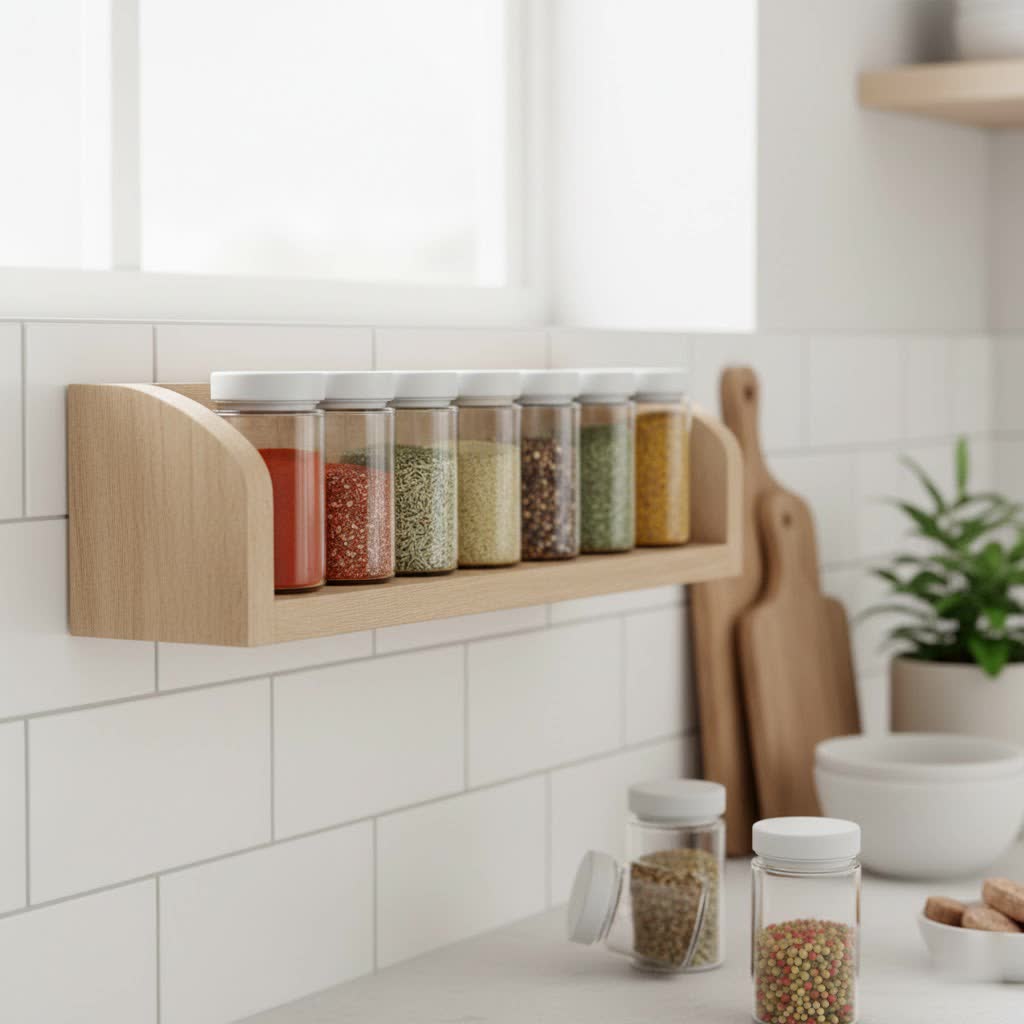
Have you ever meticulously prepared a meal, only to find the flavors falling flat? The secret ingredient missing might not be a rare herb or a complex technique, but rather the freshness of your spices. In the bustling rhythm of a home kitchen, it’s easy for spice jars to become a graveyard of forgotten flavors, their potency slowly fading into culinary oblivion. However, there’s a simple, yet profound habit that can transform your cooking and elevate every dish: dating your spice jars when you refill them.
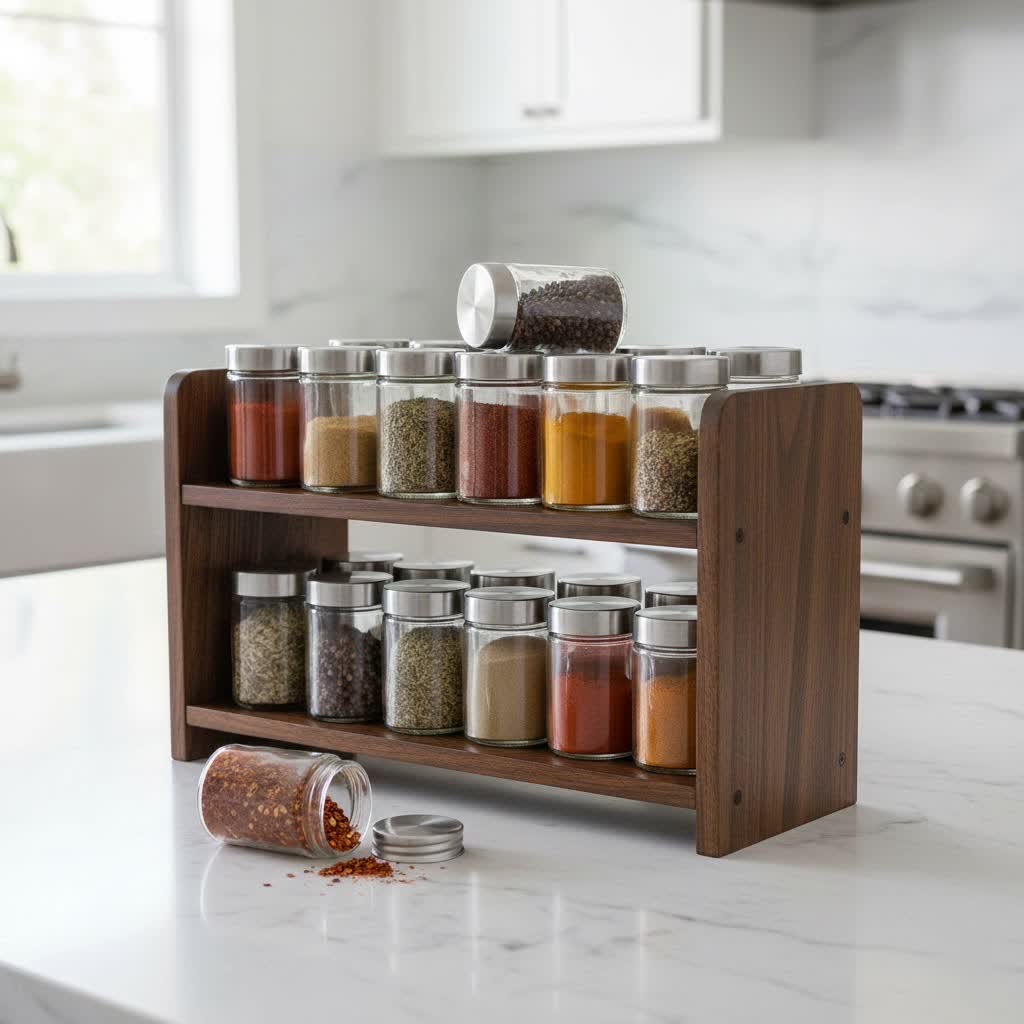
This seemingly minor act is more than just an organizational trick; it’s a commitment to vibrant flavor and an essential step in preventing culinary disappointment. While spices don’t spoil in the same way perishable foods do, their aromatic compounds—the very essence of what makes them special—begin to degrade the moment they are exposed to air, light, and heat. Without a clear timestamp, you’re left guessing, and your dishes often pay the price.
The Silent Threat in Your Spice Cabinet: Flavor Loss
Spices are the soul of our cooking, infusing dishes with depth, warmth, and character. Yet, their power is fleeting. The “expiration dates” often found on commercially packaged spices are typically “best by” dates, indicating when the product will be at its peak quality if unopened. Once that seal is broken and you start using them, the clock accelerates. Ground spices, with their larger surface area exposed to oxygen, lose their vibrancy much faster than their whole counterparts.
When spices lose their potency, they don’t necessarily become unsafe to eat, but they become, quite frankly, useless. Imagine adding a spoonful of paprika to a rich goulash, expecting a burst of color and a subtle peppery warmth, only to find it contributes nothing but dusty bulk. This flavor degradation means you might compensate by adding more, inadvertently altering the recipe’s balance, or worse, abandoning the dish as bland. Some spices, particularly those high in volatile oils like paprika or chili powder, can even turn rancid over extended periods, introducing unpleasant off-notes to your food.
The Power of the Date: Why It Matters When You Refill
Dating your spice jars upon refilling them is a proactive approach to maintaining a high-quality spice inventory. This simple habit unlocks several benefits that resonate throughout your kitchen.
Precision in Freshness Tracking
Table is empty.By marking the date you opened a new packet of spice or refilled a jar, you gain immediate clarity on its age. This eliminates guesswork and empowers you to know exactly how long a spice has been active in your kitchen.
Optimizing Flavor
Knowing the age of your spices allows you to use them when they are most potent. This ensures that every pinch, dash, and spoonful contributes its intended burst of flavor and aroma, making your recipes shine without needing excessive amounts.
Efficient Inventory Management
Dating your jars helps implement a “First In, First Out” (FIFO) system naturally. You’ll intuitively reach for older, still-good spices before opening newer ones, preventing accumulation of forgotten jars at the back of your cabinet. This practice supports better stock rotation and reduces food waste.
Preventing Culinary Disappointment
No cook wants to serve a dish that lacks flavor. With dated jars, you can easily identify and replace spices past their prime, ensuring your culinary efforts are always rewarded with delicious, aromatic results. It’s a small step that prevents big flavor let-downs.
Recognizing Rancidity
For spices with higher oil content, such as paprika, cumin, or certain chili powders, the risk of becoming rancid increases significantly over time. A date on the jar acts as a warning, prompting you to perform a quick smell and taste test to check for any off-odors or bitter notes, protecting your food and palate.
How Long Do Your Spices Really Last? A Shelf-Life Guide
Understanding the typical shelf life of various spice forms is essential for effective dating and rotation. Keep in mind these are general guidelines for optimal flavor and potency once opened:
- Whole Spices (e.g., peppercorns, cinnamon sticks, whole cloves): 3-4 years
- Ground Spices (e.g., ground cumin, paprika, chili powder, turmeric): 2-3 years
- Dried Leafy Herbs (e.g., oregano, basil, thyme, rosemary): 1-3 years
- Spice Blends (e.g., curry powder, Italian seasoning, pumpkin pie spice): 1-2 years
For best quality, some experts even suggest replacing opened dried herbs and spices every six months, especially if you cook frequently and rely heavily on their fresh flavors.
Signs Your Spices Have Lost Their Spark
Beyond the date on the jar, your senses are the ultimate arbiters of spice freshness. Trust them to tell you when it’s time to say goodbye.
- The Smell Test: The most reliable indicator. Take a small amount of spice and rub it between your fingers. If the aroma is faint, muted, or entirely absent compared to when it was fresh, it’s past its prime.
- The Color Test: Vibrant spices lose their hue over time. If your once bright red paprika looks dull and brick-like, or your green herbs appear faded, their flavor has likely followed suit.
- The Taste Test: As a final confirmation, taste a tiny pinch. If it lacks its characteristic flavor, tastes woody, or simply adds nothing, it’s time for a replacement.
“A well-organized spice rack, with each jar clearly dated, is a kitchen’s secret weapon against blandness. It’s not just about tidiness; it’s about culinary integrity.” – Chef Antoine Dubois, Culinary Instructor.
Best Practices for Refilling and Storage
To truly maximize the lifespan and impact of your spices, integrating dating with optimal storage is key.
- Choose the Right Containers: Opt for airtight glass or metal containers. Glass is excellent for visibility, while opaque metal tins offer better protection from light.
- Store in a Cool, Dark Place: Keep spices away from direct sunlight, the stove, dishwasher, or any other heat-emitting appliances. Heat is the enemy of volatile oils. A cool, dark pantry or drawer is ideal.
- Avoid Moisture: Moisture can cause clumping and accelerate spoilage. Never shake spices directly over a steaming pot, as steam can enter the jar. Instead, measure out the required amount into a spoon or small dish first.
- The Act of Dating: When refilling, write down the date you refilled the jar and, if possible, the best-by date from the bulk package you’re using. Use waterproof labels or a permanent marker on the lid and side of the jar for easy identification.
Beyond the Date: Maximizing Spice Longevity
While dating your spice jars is foundational, other practices can further extend their flavorful life:
- Buy Whole, Grind Fresh: Whole spices retain their potency significantly longer than ground spices. Investing in a spice grinder allows you to grind smaller batches as needed, unlocking maximum aroma and flavor.
- Purchase in Smaller Quantities: Resist the urge to buy giant containers of spices you use infrequently. Smaller quantities mean you’ll use them up faster, ensuring consistent freshness.
- Consider Freezing (with Caution): While generally not recommended for dried spices due to moisture, certain high-oil spices, or those you use very rarely, might benefit from freezer storage in exceptionally airtight containers to significantly extend their shelf life. Avoid refrigerating dried spices as they can absorb moisture and odors.
Conclusion
The simple act of dating your spice jars when refilling is a powerful testament to a thoughtful, flavor-focused kitchen. It’s a habit that transforms your spice cabinet from a chaotic collection into a vibrant, efficient arsenal of flavor, ready to elevate every dish you create. By embracing this practice, you ensure that every meal you prepare is not just good, but exceptional, bursting with the fresh, aromatic essence that only well-cared-for spices can provide. So, the next time you replenish your favorites, take a moment to “date” them. Your taste buds—and your cooking—will thank you.
What’s the oldest spice jar you’ve discovered in your kitchen, and did it still have its spark?
Frequently Asked Questions
Do spices really expire?
Spices do not “expire” in the sense that they become unsafe to eat. Instead, they lose their flavor, aroma, and potency over time. The “best by” date on commercial packaging indicates peak quality, not food safety.
What’s the difference between “best by” and “use by” on spices?
“Best by” refers to the date until which a spice is expected to retain its optimal quality, flavor, and aroma. “Use by” dates are more common on perishable goods and indicate when a product should be consumed for safety reasons. For spices, you typically see “best by” dates.
Can old spices make you sick?
Generally, no. As long as they have been stored properly (away from moisture, heat, and light) and show no signs of mold or insect infestation, old spices are unlikely to make you sick. Their primary drawback is a significant loss of flavor and aroma.
How often should I check my spice dates?
It’s a good practice to quickly review your spice dates every 6-12 months. This allows you to identify and rotate older spices, replacing those that have lost their vibrancy to ensure your cooking always benefits from fresh, potent flavors.