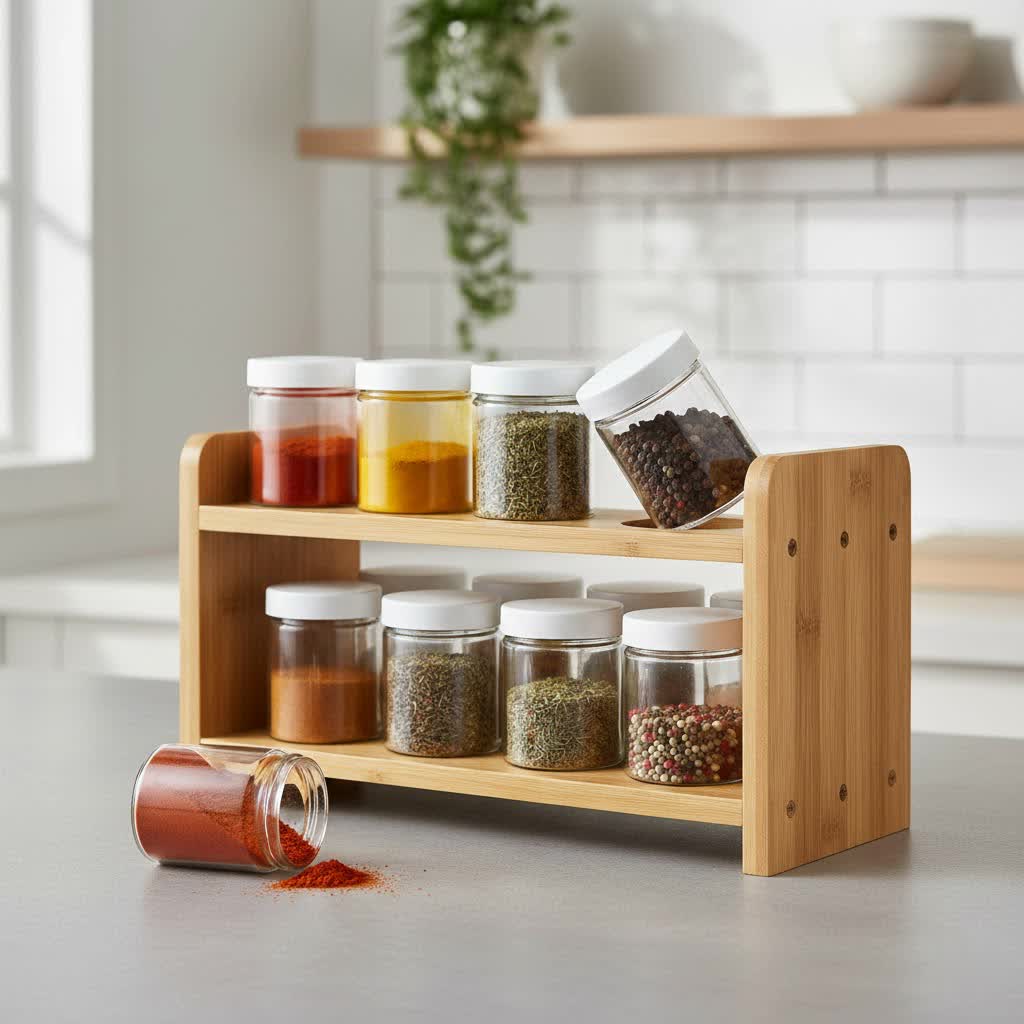
Imagine stepping into a kitchen where every detail exudes style and order, from gleaming countertops to a perfectly arranged pantry. For many home cooks, the vision of a Pinterest-perfect kitchen includes a beautifully organized spice collection, with each jar uniformly labeled and instantly identifiable. But transforming a chaotic jumble of spice bottles into an aesthetic display isn’t just about looks; it’s about making your cooking experience more enjoyable and efficient. This guide will walk you through everything you need to know to create a stunning, functional, and Instagram-ready spice jar labeling system that perfectly matches your personal style.
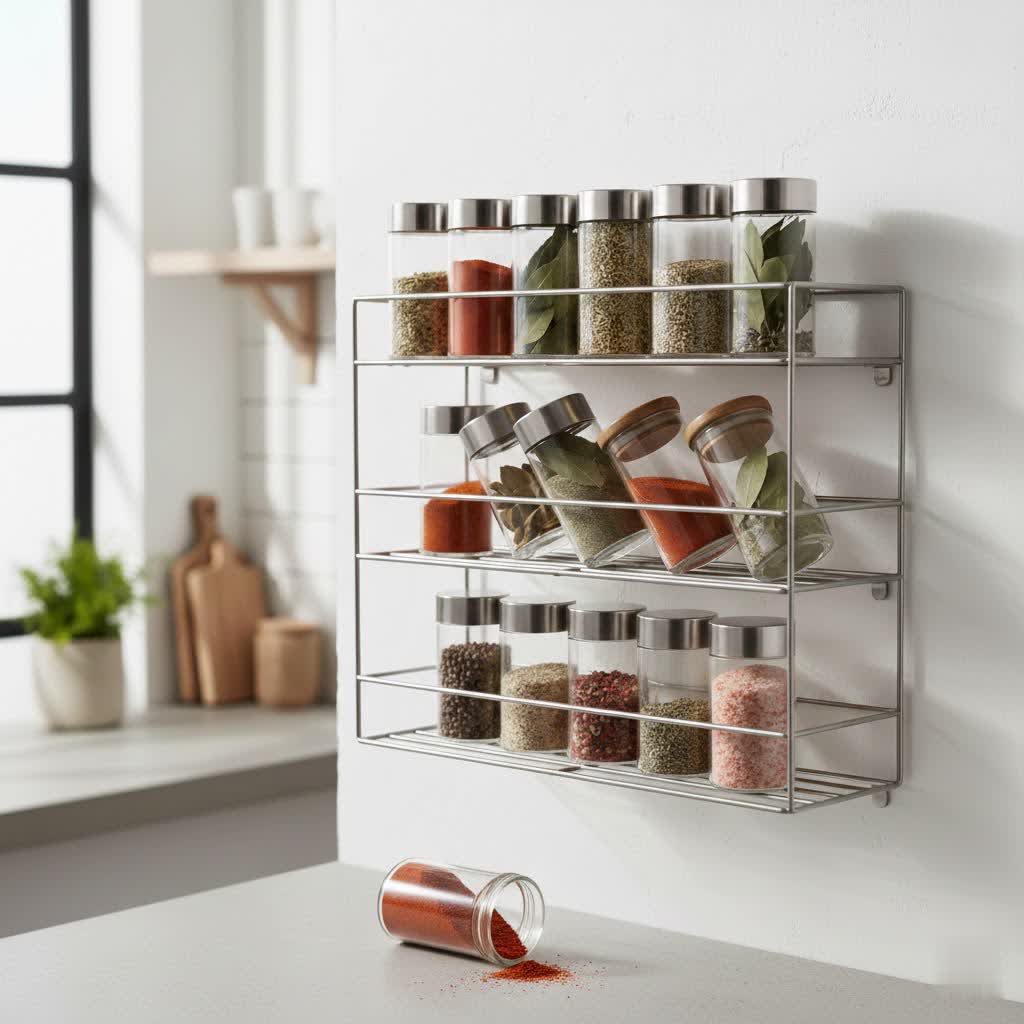
The Art of Spice Jar Labeling: Why It Matters for a Pinterest Look
Labeling your spice jars is more than a simple organizational task; it’s an opportunity to infuse your kitchen with both practicality and panache. When spices are clearly marked and uniformly presented, the benefits extend far beyond aesthetics. You save precious time by quickly finding the exact ingredient you need, reducing frustration during meal prep. An organized spice collection eliminates duplicate purchases, saving you money and valuable cabinet space. Beyond the practical, beautifully labeled jars elevate your kitchen’s overall design, creating a cohesive and inviting atmosphere that embodies that coveted Pinterest appeal. It reflects a mindful approach to home management, turning everyday items into decorative elements.
Popular Labeling Methods for a Stylish Spice Collection
Achieving that sought-after, organized spice look begins with choosing the right labeling method. Different approaches offer varying levels of customization, durability, and aesthetic appeal, allowing you to tailor your system to your kitchen’s unique vibe.
Handwritten Labels
For a touch of personal charm and rustic elegance, handwritten labels are a fantastic choice.
- Pros: They offer complete freedom in font style and size, reflecting your unique handwriting. This method is inexpensive, requiring only markers or paint pens and suitable paper or cardstock.
- Cons: Consistency can be challenging, and legibility might vary. They are generally less durable than other options, especially when exposed to moisture or frequent handling.
|
Our Picks for the Best Spice rack in 2026
As an Amazon Associate I earn from qualifying purchases.
|
||
| Num | Product | Action |
|---|---|---|
| 1 | Orii 20 Jar Rotating Spice Rack with Spices Included & 5-Year Free Spice Refill Program – Stainless Steel Countertop Spice Rack with 3 oz Glass Jars |

|
| 2 | LAMU 2 Tier Lazy Susan Turntable Organizer 9.25'' Rotating Spice Rack Organization for Cabinet, Kitchen, Pantry, Countertop, Bathroom, Vanity, Medicine Cabinet Organizer, Clear |
|
| 3 | LYNK PROFESSIONAL® Pull Out Spice Organization for Cabinets - 4-3/8 inch Wide – Spice Rack for Inside Cabinets, Slide Out Spice Rack Organizer for cabinet – Pull Out Spice Rack, Sliding 2 Tier Chrome |
|
| 4 | Sevenblue 4 Pack Strong Magnetic Spice Rack for Refrigerator, Multipurpose Magnetic Shelf for Fridge with 4 Hooks for Kitchen and Bathroom Organization, Black |
|
| 5 | Kamenstein 20 Jar Revolving Countertop Spice Rack with Spices Included, FREE Spice Refills for 5 Years, Polished Stainless Steel with Black Caps, 30020 |
|
| 6 | Spice Rack Kitchen Cabinet Organizer- 3 Tier Bamboo Expandable Display Shelf Yellow |
|
| 7 | SpaceAid Bamboo Pull Out Spice Rack Organizer for Cabinet, Heavy Duty Slide Out Seasoning Kitchen Pantry Sliding Vertical Organization, 7.6" Wide, 3 Drawers(2" Wide), 2-Tier, Natural |
|
| 8 | Bunoxea Spice Rack Wall Mounted 4 Pack,Space-Saving Spice Organizer for Spice Jars and Seasonings,Screw or Adhesive Hanging Spice Rack Organizer for Your Kitchen Cabinet,Pantry Door,11.41x2.75x2.75in |
|
| 9 | Pull Out Spice Rack Organizer for Cabinet, 3 Packs Slide Out Spice Racks Organizer, Spice Cabinet Organizers, Cabinet Size Need:12'' Highx11'' Deepx5'' Wide,Each Tier Hold 10 Spice Jar - 2 Tier, Black |
|
| 10 | Copco Non-Skid 3-Tier Spice Rack Organizer for Cabinet - 10 Inch Kitchen Pantry Organizer with Raised Rims, White and Gray Step Shelf for Spices, Cans, Jars - Easy Clean Storage Solution |
|
Printed Labels
Printed labels provide a clean, professional, and highly customizable look.
- Pros: You can choose from a vast array of fonts, colors, and designs using software like Canva or design programs. This ensures uniformity and readability, essential for a polished aesthetic. Options include paper labels, sticker paper, or even waterproof vinyl for added durability.
- Cons: Requires access to a printer and design software, which might be a small initial investment. You’ll also need to cut the labels, unless using pre-cut sticker sheets.
Vinyl Decals (Cricut Labels)
For a sleek, modern, and highly durable solution, vinyl decals created with a cutting machine like a Cricut are a top choice among Pinterest enthusiasts.
- Pros: Vinyl offers excellent durability, water resistance, and a sophisticated, embossed-like finish. You can create custom designs, intricate fonts, and perfect cutouts.
- Cons: Requires a cutting machine and specific vinyl materials, which can be a significant upfront cost. The application process, especially with transfer tape, can be a bit more involved.
Chalkboard Labels
Chalkboard labels offer a farmhouse-chic or rustic aesthetic and the flexibility to change spice names as needed.
- Pros: Reusable and adaptable, allowing you to erase and rewrite. They add a charming, tactile element to your spice storage.
- Cons: Chalk can smudge, and the writing might not always be perfectly crisp. They may require more frequent maintenance to keep them looking tidy.
Other Creative Options
- Washi Tape: A simple, colorful, and easily removable option for a playful or minimalist look.
- Permanent Marker on Glass: A direct and straightforward approach for a minimalist, industrial feel. Ensure the jars are clean for best adhesion.
- Embossed Labels: Create a vintage-inspired aesthetic using an embossing label maker.
- Wrapped-Paper Labels: Small glass bottles can be wrapped with a band of brown paper, offering a classic, natural touch.
Choosing the Right Material for Your Spice Jar Labels
The material you choose for your labels significantly impacts their appearance, longevity, and how well they integrate with your kitchen’s environment.
- Paper/Cardstock:
- Pros: Inexpensive, easy to print on with a standard home printer, and available in various finishes. Ideal for temporary labels or those not exposed to moisture.
- Cons: Not waterproof, less durable, prone to staining, and can peel or tear easily, especially in a humid kitchen environment.
- Vinyl (Adhesive Vinyl/Sticker Paper):
- Pros: Highly durable, often waterproof or water-resistant, and comes in various colors and finishes (matte, glossy, clear). Excellent for a long-lasting, professional look. Can be printed on or cut with a machine.
- Cons: Can be more expensive than paper. Requires a special printer for waterproof sticker paper or a cutting machine for vinyl decals.
- Chalkboard Vinyl:
- Pros: Combines the durability of vinyl with the reusability of chalkboard. Offers a distinct rustic aesthetic and allows for content changes.
- Cons: Can smudge, and chalk pens may fade over time. The appearance might not be as sharp as printed or cut vinyl labels.
Comparison Table: Labeling Methods
To help you decide, here’s a quick comparison of popular labeling methods:
| Feature | Handwritten | Printed Paper | Vinyl Decals | Chalkboard |
|---|---|---|---|---|
| Aesthetic | Rustic/Personal | Clean/Modern | Sleek/Custom | Farmhouse/Rustic |
| Durability | Low | Low-Medium | High | Medium |
| Customization | High (style) | High (design) | Very High | High (content) |
| Cost | Low | Low-Medium | Medium-High | Low-Medium |
| Reusability | No | No | No (typically) | Yes |
| Effort | Low-Medium | Medium | Medium-High | Low |
How to Choose the Perfect Labeling Style for Your Kitchen
Selecting the ideal labeling style requires a thoughtful consideration of your kitchen’s existing decor, your personal preferences, and practical needs.
- Determine Your Kitchen Aesthetic: Is your kitchen modern minimalist with clean lines? Opt for sans-serif fonts and monochrome labels. Do you lean towards a farmhouse or rustic look? Chalkboard labels or handwritten script fonts on natural paper might be perfect. For a bohemian or eclectic feel, colorful washi tape or mixed fonts can add charm.
- Assess Your Budget and Time Commitment: If you’re on a tight budget or have limited time, pre-printed sticker labels or handwritten options are quick and affordable. If you’re willing to invest more time and resources, a Cricut machine can create highly customized and durable vinyl decals.
- Think About Durability and Maintenance: Consider how often you use and clean your spice jars. For frequently used spices or those prone to spills, waterproof vinyl labels are a practical choice. If you enjoy changing your mind or often replace spices, wipe-off or easily removable labels like chalkboard or washi tape are more suitable.
- Personal Preference for Font, Color, and Size: Experiment with different fonts (script for elegance, bold sans-serif for modern clarity), colors (matching your kitchen accents or a neutral palette), and sizes to ensure readability and visual balance on your jars. A consistent look across all jars is key to a polished “Pinterest-worthy” outcome.
Where to Find Beautiful Spice Jar Labels and Supplies
Once you have a vision for your spice jar aesthetic, knowing where to source your labels and supplies is the next step to bringing it to life.
- Online Marketplaces: Websites like Etsy are treasure troves for custom-designed labels, offering a wide range of styles from minimalist to farmhouse, often by small businesses. Amazon provides an extensive selection of pre-made label sets, printable sticker paper, vinyl, and various spice jars.
- Craft Stores: Retailers like Michaels or Hobby Lobby are excellent for DIY enthusiasts, stocking blank sticker paper, vinyl sheets, chalkboard labels, paint pens, and cutting machine supplies.
- Specialty Kitchen Stores: Some upscale kitchenware shops may offer curated sets of spice jars with pre-designed labels or provide a selection of high-quality blank jars perfect for your custom labels.
- Printable Templates: Many blogs and design websites offer free or paid printable label templates that you can download and print at home, providing a cost-effective way to achieve a professional look.
- Cricut/Silhouette Resources: If you own a cutting machine, sites like Cricut Design Space or Silhouette Design Store offer countless fonts and ready-to-cut designs.
DIY Guide: Crafting Your Pinterest-Worthy Spice Jar Labels
Ready to roll up your sleeves? Creating your own custom spice jar labels is a rewarding project that transforms your kitchen.
Step 1: Gather Your Jars and Spices
- Uniform Jars: For that cohesive Pinterest look, invest in a set of uniform glass spice jars. These create a clean backdrop for your labels.
- Cleanliness is Key: Thoroughly wash and dry all jars. Any residue or moisture can prevent labels from adhering properly.
- Declutter Spices: Go through your current spices, discarding any that are expired or rarely used. This helps you determine exactly how many labels you need.
Step 2: Choose Your Labeling Method
Based on your aesthetic and time, decide on:
- Handwritten: Markers/paint pens, suitable paper.
- Printed: Printer, sticker paper (waterproof if desired), design software (Canva, Word).
- Vinyl Decals: Cricut/Silhouette machine, adhesive vinyl, transfer tape, weeding tools, design software (Cricut Design Space).
Step 3: Design Your Labels
- Font Selection: Pick a font that complements your kitchen’s style. Sans-serif for modern, script for elegant, or a rustic font for farmhouse. Ensure readability.
- Size and Shape: Measure your jars to determine the ideal label size. Round labels are popular for lids, while rectangular labels work well on the jar body.
- Layout: Keep it simple. Typically, the spice name is central and prominent. Consider adding a small icon or a line for a date.
Step 4: Create/Print/Cut Your Labels
- Handwritten: Write out each spice name neatly on your chosen material. Practice makes perfect!
- Printed: Arrange your designs on a document, ensuring correct sizing. Print onto your sticker paper. If using regular paper, you’ll need adhesive later.
- Vinyl Decals: Load your design into your cutting machine software, load the vinyl onto the mat, and cut. Then, “weed” away the excess vinyl, leaving only your design.
Step 5: Apply Your Labels
This step is crucial for achieving a uniform, professional look.
- Clean Surface: Double-check that jars are free of dust and fingerprints.
- Achieve Straightness: For consistent placement, use a guide. A ruler, a piece of painter’s tape wrapped around the jar, or even a laser level can help you align labels perfectly straight. Some people use a small amount of soapy water on the jar, which allows vinyl labels to be repositioned slightly before drying.
- Smooth Application: For stickers or vinyl, apply from the center outwards to prevent air bubbles. Use a scraper tool or a credit card to burnish vinyl decals, ensuring good adhesion and slowly peeling off transfer tape at a 45-degree angle.
Step 6: Fill and Arrange
- Fill with Care: Once labels are securely in place, carefully transfer your spices into their new homes.
- Organize Alphabetically: This is the most universally accessible and satisfying method.
- Consider Frequency of Use: Keep your most-used spices in the most accessible spots.
Beyond the Basics: Tips for a Truly Organized and Aesthetic Spice Collection
To elevate your spice collection even further and maintain its Pinterest-worthy status, consider these advanced tips:
- Uniform Jars are Non-Negotiable: While you might initially save money by keeping original containers, investing in a matching set of glass jars (with airtight lids) creates unparalleled visual harmony.
- Date Labeling: Add a small, discreet label to the bottom or back of each jar indicating the purchase date or expiration date. This ensures freshness and helps you cycle through older spices.
- Categorize and Group: Beyond alphabetical order, consider grouping “baking spices” together, “savory blends,” or “ethnic spices.” This can simplify finding ingredients for specific cooking projects.
- Top and Side Labels: If your spices are stored in a drawer, labels on the lids are essential. For cabinet storage, labels on the side of the jar are more visible. Consider a small label on both for maximum functionality.
- Complementary Storage: Choose a spice rack, drawer organizer, or lazy susan that complements your jars and labels, reinforcing the organized aesthetic.
“Organization isn’t about perfection; it’s about efficiency, calm, and creating a space that inspires you every day.” – Marie Kondo, Renowned Organizing Consultant
Maintaining Your Labeled Spice Jars for Lasting Beauty
Even the most beautiful labels need a little care to stay pristine in a busy kitchen environment.
- Gentle Cleaning: For jars with vinyl or waterproof labels, hand washing with mild dish soap is usually best. Avoid abrasive scrubbers directly on the labels. For paper labels, simply wipe the jars gently with a damp cloth, being careful around the label edges.
- Protect from Elements: Keep your spice jars away from direct heat sources (like the stove) and excessive moisture, which can degrade label adhesive and material over time.
- Replacing Damaged Labels: If a label gets damaged or fades, don’t hesitate to replace it. Having a few blank labels or vinyl scraps on hand makes this an easy fix.
Buyer’s Guide: Investing in Your Spice Jar Labeling Project
Before embarking on your labeling journey, a little planning can go a long way in ensuring a successful and satisfying outcome.
- Budget: Determine how much you’re willing to spend. Options range from free printable templates to custom-cut vinyl decals and cutting machines.
- Material Quality: Prioritize durable, waterproof materials if your jars are frequently handled or in a high-moisture area. High-quality adhesive prevents peeling.
- Ease of Application: Consider your comfort level with DIY projects. Pre-made stickers are easiest, while vinyl decals require more precision.
- Long-Term Aesthetic: Choose a style that you genuinely love and that will stand the test of time, rather than just a fleeting trend.
- Jar Compatibility: Ensure your chosen labels are the right size and shape for your spice jars, especially if you’re using existing jars.
Ultimately, your spice jar labeling project is an investment in both the beauty and functionality of your kitchen.
Conclusion
Transforming your spice collection into a Pinterest-worthy display is a rewarding endeavor that brings both aesthetic appeal and practical organization to your kitchen. By thoughtfully selecting your labeling method—whether it’s the personal touch of handwritten labels, the sleek consistency of printed designs, or the professional finish of vinyl decals—you can create a system that reflects your style and streamlines your cooking. Remember the importance of uniform jars, clear labeling, and mindful organization to maintain a beautiful and efficient space.
So, are you ready to unlock the full potential of your spice cabinet and make every culinary adventure a joy?
Frequently Asked Questions
What are the most durable types of spice jar labels?
Vinyl decals are generally considered the most durable option for spice jar labels, offering excellent water resistance and longevity, especially when properly applied. Waterproof sticker paper also provides good durability.
Can I change my spice jar labels if I want a new look?
Yes, some labeling methods like chalkboard labels or washi tape are designed for easy removal and reusability. For vinyl or sticker labels, you can often gently peel them off, though some residue might remain which can be cleaned with appropriate solutions.
How do I make sure my labels are straight and uniform on round jars?
To ensure straight and uniform labels on round jars, you can use guides such as a ruler, painter’s tape wrapped horizontally around the jar, or even a laser level. Applying labels with a small amount of soapy water can also allow for slight repositioning before drying.