The heart of every home, the kitchen, often grapples with a universal challenge: organizing a growing collection of spices without sacrificing precious countertop real estate. In the quest for an orderly and efficient cooking environment, two primary contenders emerge: wall-mounted spice racks and their countertop counterparts. Each offers unique advantages and disadvantages, making the choice a thoughtful balance of space, style, and culinary habits. Understanding these differences is key to transforming a chaotic spice collection into a perfectly organized culinary arsenal.
The Spice Rack Spectrum: Exploring Common Types
Before diving into a direct comparison, it’s helpful to understand the various forms these storage solutions can take.
Wall-Mounted Spice Racks
These racks leverage vertical space, attaching directly to your kitchen walls, inside cabinet doors, or even on the side of a refrigerator. Their designs vary widely, from simple floating shelves and magnetic strips that hold metal spice tins to multi-tiered racks that can accommodate dozens of jars. Some innovative solutions even involve pull-down or swing-out mechanisms for hidden yet accessible storage.
- Pros: Wall-mounted racks are the undisputed champions of counter-space liberation. By utilizing vertical areas, they completely free up your work surfaces, making even the smallest kitchens feel more expansive and functional. They offer dedicated storage, keeping spices visible and within easy reach, which enhances cooking efficiency. With a wide array of materials and designs, they can seamlessly integrate into any kitchen aesthetic, often serving as a stylish focal point.
- Cons: The primary drawback of wall-mounted racks is the installation effort. They typically require drilling, precise measurements, and sometimes specific wall anchors to ensure they are sturdy enough to hold the weight of your spices. This permanence can be a deterrent for renters or those who frequently rearrange their kitchen layout. Moving them can also necessitate wall repairs.
Countertop Spice Racks
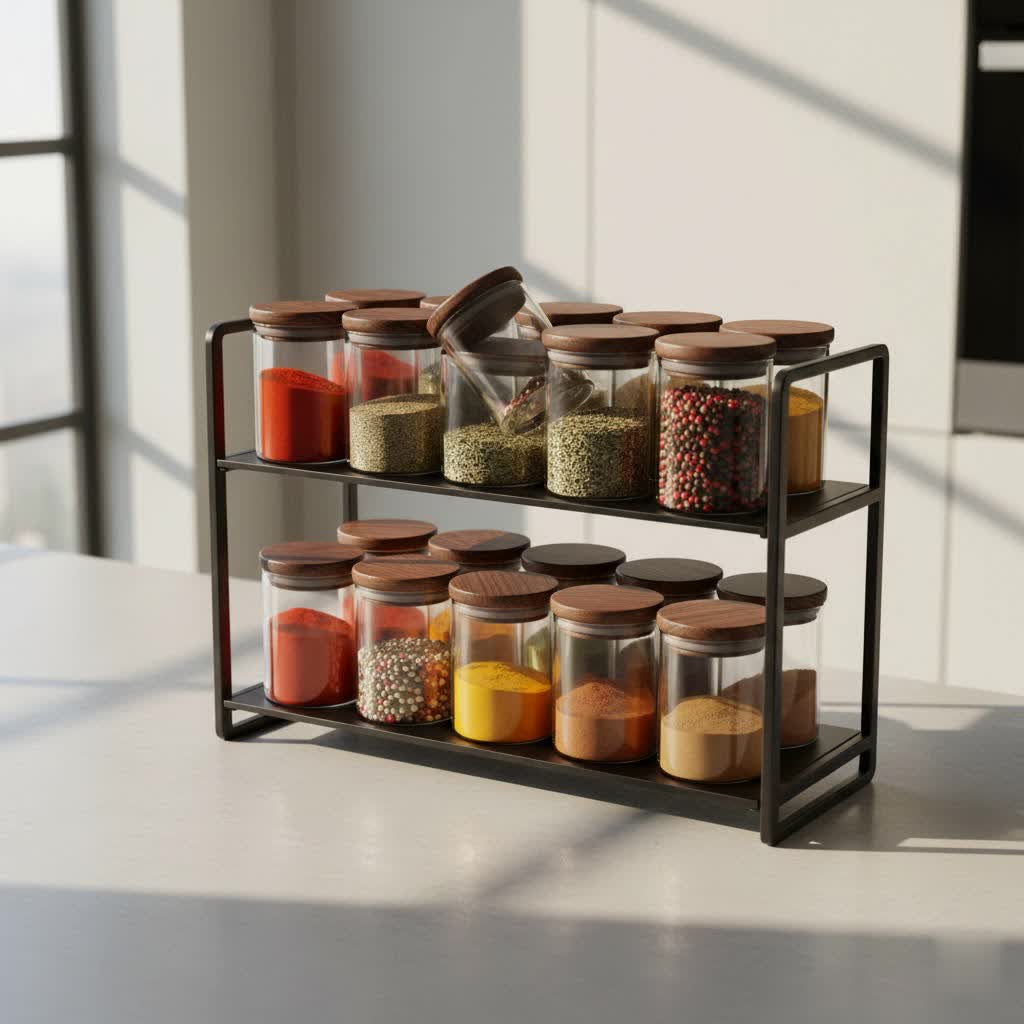
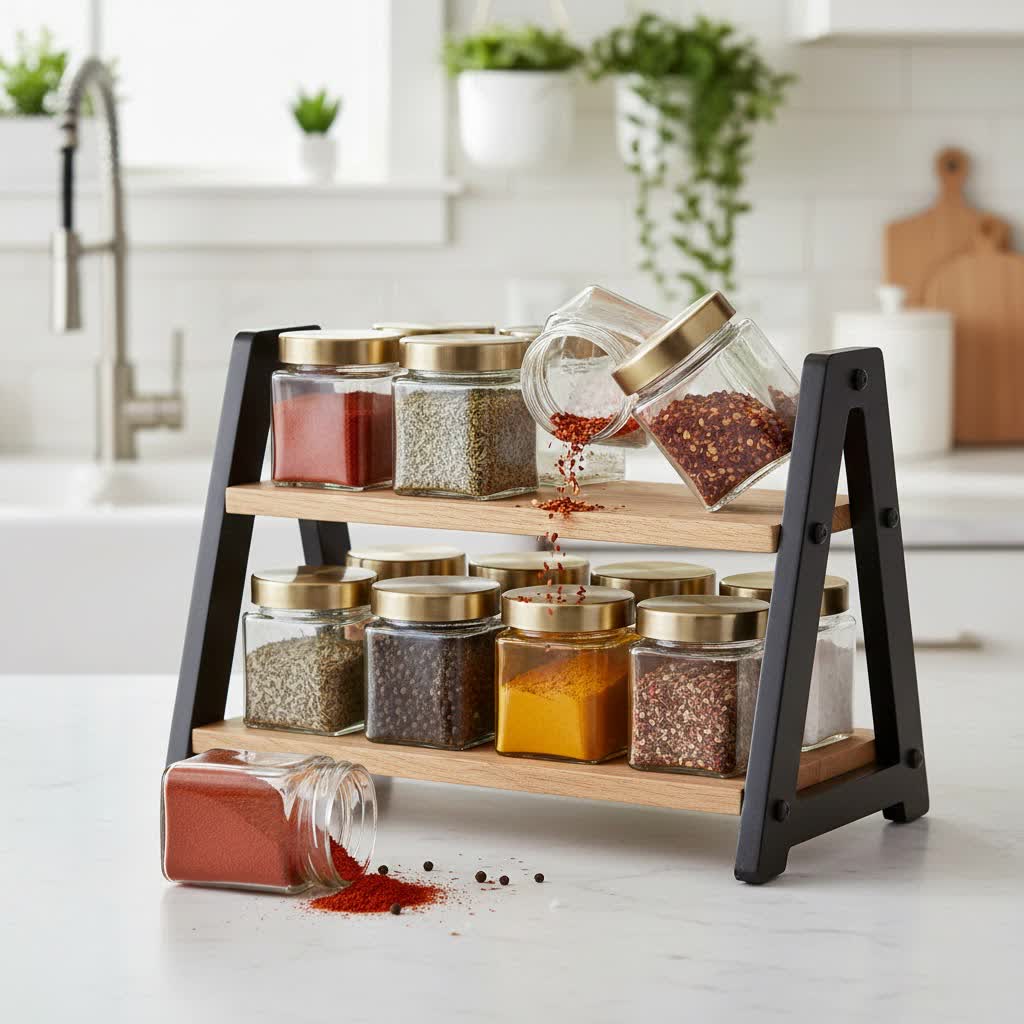
These are perhaps the most common and accessible spice storage solutions. They sit directly on your kitchen counter, ranging from simple tiered stands and compact revolving carousels to expandable shelves and decorative boxes.
- Pros: Countertop racks boast unparalleled ease of installation and portability. There’s no drilling, no tools required – simply place them where you need them. This flexibility makes them an excellent choice for renters or anyone who prefers to frequently reconfigure their kitchen. They offer instant organization for everyday spices, keeping frequently used items readily at hand.
- Cons: The most significant disadvantage is their footprint. Countertop racks occupy valuable surface area, which can be a major issue in kitchens with limited workspace. If not managed carefully, they can contribute to visual clutter, making a kitchen feel less organized, particularly if the counter is already laden with appliances or other items. Their capacity is also inherently limited by the surface space they consume.
While less common as primary solutions, drawer spice organizers and in-cabinet spice racks also offer space-saving benefits by keeping spices out of sight. Drawer inserts keep bottles flat and labels visible from above, while cabinet racks can be mounted on the inside of cabinet doors or arranged on adjustable shelves.
Materials Matter: Durability, Aesthetics, and Maintenance
The material of your spice rack profoundly impacts its durability, aesthetic appeal, and the effort required for maintenance.
- Wood: Spice racks crafted from wood or bamboo offer a natural warmth and classic elegance. They are perfect for traditional, farmhouse, or rustic kitchen styles, adding a touch of organic charm. However, wood can be susceptible to moisture and may require occasional sealing or oiling to maintain its finish and prevent warping.
- Metal (Stainless Steel, Wrought Iron, Aluminum): Metal racks, particularly those made from stainless steel, are highly durable, corrosion-resistant, and incredibly easy to clean. They exude a sleek, modern, or industrial aesthetic. Wrought iron can offer a more ornate, classic look, while aluminum provides a lightweight and often more affordable option. These materials generally stand up well to the rigors of a busy kitchen environment.
- Plastic: Plastic spice racks are typically the most budget-friendly and lightweight option. They are easy to clean and often come in various colors and designs. However, they may not offer the same level of durability or aesthetic sophistication as wood or metal, and some cheaper plastics can degrade over time.
- Eco-Friendly Options: For environmentally conscious homeowners, options made from sustainable bamboo or reclaimed wood offer a green alternative, blending functionality with an eco-friendly approach.
Wall Mounted vs. Countertop Racks: A Direct Comparison Table
To clarify the strengths and weaknesses of each type, here’s a comparative overview:
| Feature | Wall Mounted Racks | Countertop Racks |
|---|---|---|
| Space Saving | Excellent: Frees up entire countertop surfaces by utilizing vertical wall space. | Moderate: Occupies valuable counter space, can contribute to visual clutter. |
| Installation | Requires tools (drill, level, stud finder), permanent fixture, potential wall damage. | No installation required, simply place on a surface. Highly portable. |
| Flexibility | Less flexible once installed, as relocation requires re-drilling and repairs. | Highly flexible; can be easily moved, rearranged, or put away. |
| Capacity | Often higher capacity due to multi-tiered designs and utilization of vertical space. | Limited capacity, constrained by the available counter surface area. |
| Aesthetics | Can create a sleek, integrated, and custom look. Enhances a minimalist aesthetic. | Can be visually appealing, but may contribute to a busy appearance if counters are already full. |
| Cleaning | Easier to clean the actual countertops beneath them; the rack itself requires regular wiping. | The rack itself is easy to wipe down; however, items often need to be moved to clean the counter underneath. |
| Ideal For | Small kitchens, homeowners seeking permanent solutions, those wanting to maximize vertical space and achieve a clean look. | Renters, individuals who prefer no-fuss setup, those needing visible access to frequently used spices, or kitchens with ample counter space. |
How to Choose the Right Spice Rack for Your Kitchen
Making the optimal choice requires a thoughtful assessment of your specific kitchen environment and personal preferences.
- Assess Your Kitchen Space: Do you have ample wall space but limited counter area? Or perhaps a generously sized countertop with little available wall real estate? Measure potential spots carefully.
- Consider Your Spice Collection: Do you have a modest collection of 10-15 spices, or are you a culinary enthusiast with dozens of exotic blends? This will dictate the required capacity.
- Evaluate Your DIY Comfort Level and Rental Agreements: If drilling into walls is not an option due to a rental lease or a lack of tools/skill, countertop racks are the clear winner.
- Match Material and Style to Kitchen Decor: Ensure your chosen rack complements your kitchen’s existing aesthetic, whether it’s modern, traditional, industrial, or farmhouse.
- Budget Considerations: Plastic and some metal options tend to be more affordable, while high-quality wood or designer metal racks may represent a larger investment.
Installation and Maintenance Tips
Proper installation and consistent maintenance will ensure your spice rack serves you well for years to come.
For Wall-Mounted Racks:
- Always use a stud finder to locate wall studs for the most secure mounting, especially for heavier racks or larger spice collections. If studs aren’t available, use appropriate wall anchors for drywall.
- A level is indispensable for ensuring your rack is perfectly straight, contributing to both aesthetics and stability.
- Use painter’s tape to mark drilling spots; it’s easier to adjust and removes cleanly without damaging walls.
- Regularly wipe down metal and plastic racks with a mild detergent. For wooden racks, occasional oiling can help preserve the finish and prevent drying or cracking.
For Countertop Racks:
- Designate a specific, easy-to-access spot for your rack to prevent it from wandering and contributing to clutter.
- The beauty of a countertop rack is its portability; move it off the counter entirely for thorough cleaning of both the rack and the surface beneath. This prevents grime buildup and keeps your kitchen hygienic.
Maximizing Your Spice Storage: Beyond the Rack
Regardless of the rack type you choose, smart organization practices can elevate your kitchen efficiency.
- Decant into Uniform Jars: Using matching spice jars creates a cohesive, aesthetically pleasing look and allows for easier labeling.
- Label Clearly: Whether on top of the lid or on the side, clear labels ensure you can quickly identify each spice, saving time during meal prep.
- Organize by Frequency or Cuisine: Keep your most-used spices front and center. Group spices by cuisine type (e.g., Italian herbs, baking spices) for intuitive access.
- Integrate with Other Storage: Consider magnetic knife strips for frequently used measuring spoons or small hooks on wall-mounted racks for herb scissors.
Conclusion
When it comes to the ultimate question of which saves more space, wall-mounted spice racks generally offer superior space-saving benefits by effectively utilizing vertical real estate and completely freeing up valuable countertop areas. They provide a streamlined, organized, and often aesthetically integrated solution for kitchens of all sizes, particularly those with limited counter space.
However, countertop racks offer undeniable convenience, portability, and ease of installation, making them an excellent choice for renters, those who prefer flexibility, or kitchens with ample counter space. Ultimately, the “best” spice rack is not a one-size-fits-all answer but rather a personalized decision that aligns with your kitchen’s layout, your culinary habits, your aesthetic preferences, and your willingness to install. By thoughtfully considering these factors, you can choose a spice rack that not only saves space but also enhances your entire cooking experience.
Which spice rack solution do you think would best complement your kitchen’s unique charm and challenges?
Frequently Asked Questions
Do wall-mounted spice racks really save more space than countertop ones?
|
Our Picks for the Best Spice rack in 2026
As an Amazon Associate I earn from qualifying purchases.
|
||
| Num | Product | Action |
|---|---|---|
| 1 | Spice Rack Kitchen Cabinet Organizer- 3 Tier Bamboo Expandable Display Shelf Yellow |

|
| 2 | Copco Non-Skid 3-Tier Spice Rack Organizer for Cabinet - 10 Inch Kitchen Pantry Organizer with Raised Rims, White and Gray Step Shelf for Spices, Cans, Jars - Easy Clean Storage Solution |
|
| 3 | Kamenstein 20 Jar Revolving Countertop Spice Rack with Spices Included, FREE Spice Refills for 5 Years, Polished Stainless Steel with Black Caps, 30020 |
|
| 4 | SpaceAid Bamboo Pull Out Spice Rack Organizer for Cabinet, Heavy Duty Slide Out Seasoning Kitchen Pantry Sliding Vertical Organization, 7.6" Wide, 3 Drawers(2" Wide), 2-Tier, Natural |
|
| 5 | Pull Out Spice Rack Organizer for Cabinet, 3 Packs Slide Out Spice Racks Organizer, Spice Cabinet Organizers, Cabinet Size Need:12'' Highx11'' Deepx5'' Wide,Each Tier Hold 10 Spice Jar - 2 Tier, Black |
|
| 6 | Bunoxea Spice Rack Wall Mounted 4 Pack,Space-Saving Spice Organizer for Spice Jars and Seasonings,Screw or Adhesive Hanging Spice Rack Organizer for Your Kitchen Cabinet,Pantry Door,11.41x2.75x2.75in |
|
| 7 | LAMU 2 Tier Lazy Susan Turntable Organizer 9.25'' Rotating Spice Rack Organization for Cabinet, Kitchen, Pantry, Countertop, Bathroom, Vanity, Medicine Cabinet Organizer, Clear |
|
| 8 | Sevenblue 4 Pack Strong Magnetic Spice Rack for Refrigerator, Multipurpose Magnetic Shelf for Fridge with 4 Hooks for Kitchen and Bathroom Organization, Black |
|
| 9 | LYNK PROFESSIONAL® Pull Out Spice Organization for Cabinets - 4-3/8 inch Wide – Spice Rack for Inside Cabinets, Slide Out Spice Rack Organizer for cabinet – Pull Out Spice Rack, Sliding 2 Tier Chrome |
|
| 10 | Orii 20 Jar Rotating Spice Rack with Spices Included & 5-Year Free Spice Refill Program – Stainless Steel Countertop Spice Rack with 3 oz Glass Jars |
|
Yes, wall-mounted spice racks are generally superior for space saving as they utilize vertical wall space, thereby completely freeing up your countertops. Countertop racks, while useful, inherently occupy surface area, which can contribute to clutter in smaller kitchens.
Are wall-mounted spice racks difficult to install?
Most wall-mounted spice racks can be installed by homeowners with basic DIY skills and tools like a drill, stud finder, and level. However, some heavier or more complex units might benefit from professional installation to ensure security and stability, especially for supporting significant weight.
Can I use a countertop spice rack in a very small kitchen?
While you can, it might not be the most efficient use of space in a very small kitchen. Countertop racks will consume valuable prep area. If you opt for one, choose a compact, multi-tiered, or revolving design to minimize its footprint and keep only essential, frequently used spices.
What materials are best for kitchen spice racks?
The best material depends on your priorities. Stainless steel and other metals offer durability, easy cleaning, and a modern aesthetic. Wood provides warmth and a classic look but might require more maintenance. Plastic is affordable and lightweight but generally less durable and aesthetically refined.
How do I keep my spices organized on any rack?
To keep spices organized, decant them into uniform, airtight jars and label them clearly on both the lid and side. Arrange them logically, such as alphabetically, by frequency of use, or by cuisine type. Regularly declutter by discarding expired spices to maintain order and freshness.