Step into any kitchen, and you’ll likely find a collection of spices—some glistening in branded jars, others in more humble, generic containers. This often sparks a fundamental culinary question: Is there a significant difference between premium brands like McCormick and more affordable generic options? And, critically, does that distinction warrant a dedicated spice rack, a true commitment to organized flavor? This article dives deep into the debate, exploring quality, taste, price, and optimal storage solutions to help you make informed choices for your culinary haven.
The Great Spice Debate: McCormick vs. Generic
The battle of the spice brands is a lively one, often debated among home cooks and seasoned chefs alike. Understanding the nuances between McCormick and generic spices involves looking beyond just the label.
Quality and Potency: What’s Really Inside?
|
Our Picks for the Best Spice rack in 2026
As an Amazon Associate I earn from qualifying purchases.
|
||
| Num | Product | Action |
|---|---|---|
| 1 | Copco Non-Skid 3-Tier Spice Rack Organizer for Cabinet - 10 Inch Kitchen Pantry Organizer with Raised Rims, White and Gray Step Shelf for Spices, Cans, Jars - Easy Clean Storage Solution |

|
| 2 | Orii 20 Jar Rotating Spice Rack with Spices Included & 5-Year Free Spice Refill Program – Stainless Steel Countertop Spice Rack with 3 oz Glass Jars |
|
| 3 | LYNK PROFESSIONAL® Pull Out Spice Organization for Cabinets - 4-3/8 inch Wide – Spice Rack for Inside Cabinets, Slide Out Spice Rack Organizer for cabinet – Pull Out Spice Rack, Sliding 2 Tier Chrome |
|
| 4 | SpaceAid Bamboo Pull Out Spice Rack Organizer for Cabinet, Heavy Duty Slide Out Seasoning Kitchen Pantry Sliding Vertical Organization, 7.6" Wide, 3 Drawers(2" Wide), 2-Tier, Natural |
|
| 5 | Pull Out Spice Rack Organizer for Cabinet, 3 Packs Slide Out Spice Racks Organizer, Spice Cabinet Organizers, Cabinet Size Need:12'' Highx11'' Deepx5'' Wide,Each Tier Hold 10 Spice Jar - 2 Tier, Black |
|
| 6 | Sevenblue 4 Pack Strong Magnetic Spice Rack for Refrigerator, Multipurpose Magnetic Shelf for Fridge with 4 Hooks for Kitchen and Bathroom Organization, Black |
|
| 7 | LAMU 2 Tier Lazy Susan Turntable Organizer 9.25'' Rotating Spice Rack Organization for Cabinet, Kitchen, Pantry, Countertop, Bathroom, Vanity, Medicine Cabinet Organizer, Clear |
|
| 8 | Kamenstein 20 Jar Revolving Countertop Spice Rack with Spices Included, FREE Spice Refills for 5 Years, Polished Stainless Steel with Black Caps, 30020 |
|
| 9 | Bunoxea Spice Rack Wall Mounted 4 Pack,Space-Saving Spice Organizer for Spice Jars and Seasonings,Screw or Adhesive Hanging Spice Rack Organizer for Your Kitchen Cabinet,Pantry Door,11.41x2.75x2.75in |
|
| 10 | Spice Rack Kitchen Cabinet Organizer- 3 Tier Bamboo Expandable Display Shelf Yellow |
|
When it comes to spice quality, the truth is often less about the brand name and more about the journey the spice takes from farm to jar. There are no formal regulatory guidelines to definitively rank spice quality for consumers, making direct comparisons challenging. For many basic, everyday spices, a substantial difference in potency between a cheap store brand and a standard McCormick offering might not be immediately apparent to the average palate. However, freshness is paramount, regardless of the brand.
The form of the spice also plays a critical role. Whole spices, like peppercorns, cumin seeds, or cinnamon sticks, naturally retain their volatile oils and flavor compounds far longer than their pre-ground counterparts. Once a spice is ground, its surface area increases dramatically, exposing it to air and light, which accelerate the loss of flavor and aroma. While McCormick offers both ground and whole spices, the longevity of flavor often hinges on how recently it was ground. Some users note that McCormick’s “premium” lines often feel fresher than their basic offerings, suggesting a tiered approach to quality even within one brand.
Ultimately, the perceived “quality” can often be traced back to the sourcing and handling practices of the company. Specialty spice purveyors, for instance, often pride themselves on direct sourcing and smaller batch processing, which can lead to a more vibrant and potent product compared to mass-produced options.
Taste Profile: A Subtle Distinction
Do generic spices taste the same as McCormick? For many common spices used in everyday cooking, the taste difference can be subtle, if noticeable at all, for a casual cook. Blind taste tests sometimes reveal that consumers struggle to differentiate between generic and brand-name versions of staples like garlic powder or paprika.
However, for discerning palates or in dishes where a particular spice is a star ingredient, the more vibrant and complex flavors of a truly fresh, high-quality spice—whether from a premium brand or an excellent bulk source—can elevate a dish significantly. This enhanced taste profile comes from the higher concentration of essential oils and aromatic compounds that are preserved through superior sourcing and processing.
Price Point and Value: Investing in Flavor
One of the most immediate differences between McCormick and generic spices is the price. McCormick products typically command a higher price tag than store brands. This premium often covers extensive marketing, brand recognition, and a wide distribution network.
For cooks on a budget, generic spices offer substantial cost savings, especially for frequently used items. However, another cost-effective strategy is to buy spices in bulk from ethnic grocery stores or specialty spice shops. These sources often provide fresher spices at a fraction of the cost per ounce compared to even generic supermarket brands. For example, a pound of good quality cardamom might be available at a Mediterranean store for a much lower price than a small jar at a conventional grocery store. This approach can offer both cost savings and superior quality, bridging the gap between budget and gourmet.
Beyond the Brand: What Truly Matters for Spice Quality
While brand names like McCormick offer convenience and consistency, savvy cooks know that several factors beyond branding profoundly impact a spice’s quality.
Freshness is King
The single most crucial factor for a spice’s potency and flavor is its freshness. Spices are agricultural products, and like all fresh ingredients, they degrade over time. The vibrant aromas and complex flavors we cherish come from volatile oils that begin to dissipate the moment a spice is harvested and processed. Whole spices generally maintain their flavor for up to two years, while ground spices, due to their increased surface area, can lose significant potency in as little as six months. Using stale spices is akin to adding nothing at all, diluting the flavor profile of your culinary creations.
Whole vs. Ground Spices: The Grinding Advantage
For maximum flavor, purchasing whole spices and grinding them just before use is a game-changer. Think of grinding whole peppercorns in a mill versus using pre-ground black pepper; the difference in aroma and bite is undeniable. A simple coffee grinder (dedicated solely to spices to avoid flavor transfer) or a mortar and pestle can unlock a far more intense and nuanced flavor from spices like cumin, coriander, or cinnamon sticks. This practice not only ensures peak freshness but also allows you to control the coarseness of your grind, tailoring it to your specific recipe needs.
Sourcing Matters: Where Your Spices Come From
The origin and journey of your spices significantly impact their quality. Spices travel vast distances, often passing through many hands before reaching your kitchen. This journey can affect freshness and authenticity.
- Specialty Spice Stores: These purveyors often have direct relationships with growers, ensuring higher quality and fresher products. Brands like Penzeys or The Spice House are frequently cited for their superior offerings.
- Ethnic Markets: These hidden gems are fantastic sources for bulk spices, often at incredibly competitive prices. Their high turnover rates can mean very fresh stock.
- Reputable Online Retailers: Many online stores specialize in high-quality spices, often providing detailed sourcing information.
Opting for these sources can provide a significant upgrade over standard supermarket options, whether branded or generic.
Proper Storage: Protecting Your Investment
Even the highest quality spices will quickly degrade if not stored correctly. Light, heat, and air are the arch-enemies of spice freshness.
- Cool, Dark, Dry: The ideal environment for spices is a cool, dark, and dry place. This means avoiding shelves directly above the stove, near windows, or in other heat-prone areas.
- Airtight Containers: Exposure to air causes oxidation, leading to flavor loss. Always store spices in tightly sealed, opaque containers. Glass jars with tight-fitting lids are excellent.
- Avoid Moisture: Moisture can lead to clumping and spoilage. Ensure your hands and measuring spoons are dry before dipping into spice jars.
By prioritizing these factors, you ensure that every pinch and dash delivers its full aromatic punch, regardless of whether it came from a McCormick jar or a bulk bin.
The Spice Rack Question: Is It a Necessity or a Luxury?
The question of whether you need a “rack” goes beyond just the brand of spices. It delves into organization, convenience, and how you interact with your culinary ingredients. A spice rack is a storage solution, and its necessity largely depends on your cooking habits, kitchen space, and aesthetic preferences.
Types of Spice Racks and Their Roles
Different spice rack designs cater to various kitchen layouts and needs, each with its own advantages and disadvantages.
- Countertop Displays:
- Pros: Easily accessible, aesthetically pleasing, can be a kitchen showpiece.
- Cons: Spices are exposed to light and potentially heat (if near the stove), which can degrade flavor. They also take up valuable counter space.
- Wall-Mounted Racks:
- Pros: Saves counter space, keeps spices visible and organized.
- Cons: Still exposes spices to light, depending on kitchen layout. Installation required.
- Drawer Inserts:
- Pros: Optimal for freshness as spices are stored in the dark, out of direct light and away from heat. Provides excellent organization and visibility when the drawer is open.
- Cons: Requires available drawer space, and spices are not immediately visible at a glance.
- Cabinet Organizers (Tiered Shelves, Lazy Susans):
- Pros: Keeps spices in a dark, cool environment. Tiered shelves improve visibility, and lazy Susans make access easy for deep cabinets.
- Cons: Can still become disorganized if not maintained, and reaching into deep cabinets can be a hassle.
Pre-Filled Spice Racks: McCormick’s Offering
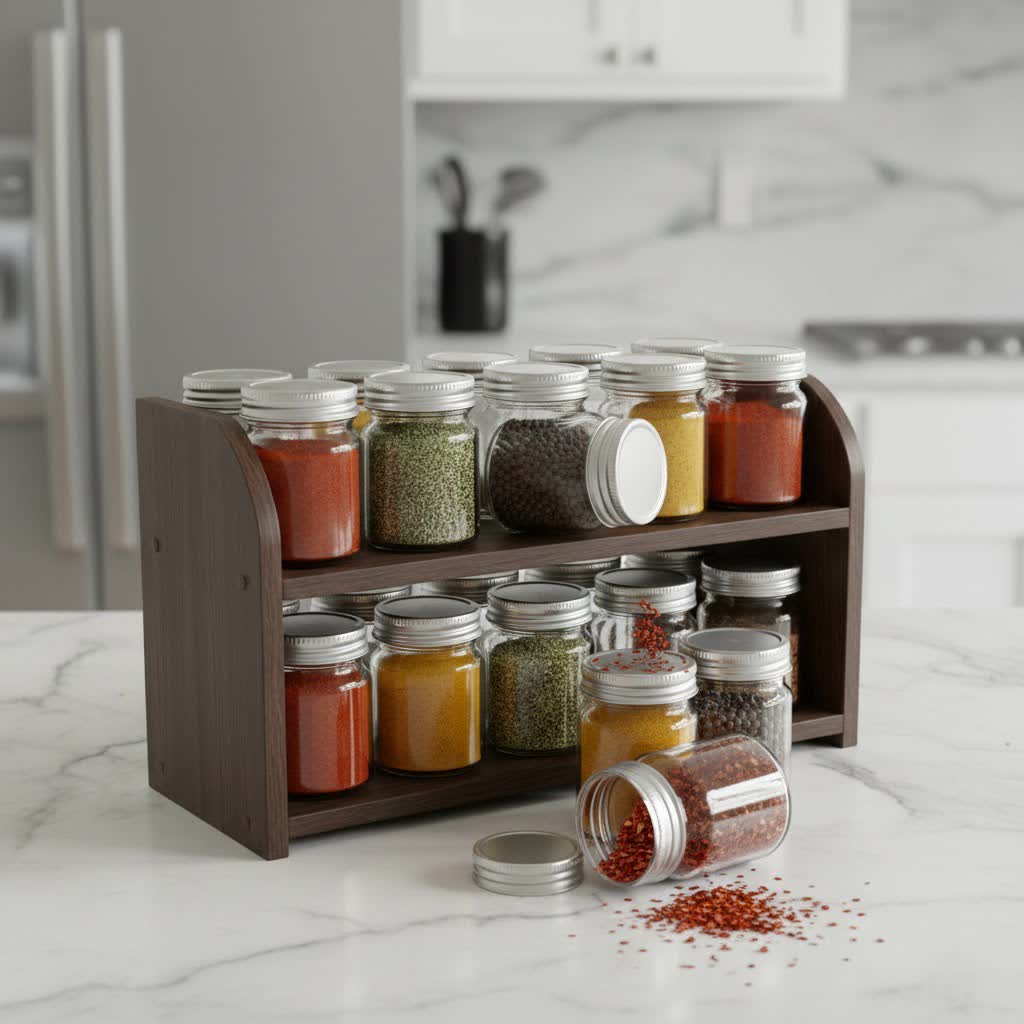
McCormick is well-known for its pre-filled spice racks, often featuring 24 organic spices in attractive glass jars nestled in a sturdy wooden rack. These sets are often perceived as a good value, sometimes costing less than purchasing the individual organic spices separately.
- Convenience and Variety: They offer a convenient way for new homeowners or budding cooks to quickly stock their kitchen with a wide array of commonly used spices.
- Aesthetic Appeal: The uniform jars and quality wooden rack provide a clean, organized, and often elegant look that enhances kitchen decor.
- Considerations: While convenient, pre-filled racks can sometimes include spices you rarely use, leading to potential waste if they expire before being consumed. It’s wise to consider your actual cooking needs before investing in a large, pre-filled set. However, McCormick’s jars are typically refillable, offering longevity to the rack itself.
Building Your Own Collection
Many experienced cooks recommend building your spice collection gradually. Start with the essential spices you use frequently and expand as your culinary repertoire grows. This approach ensures that your spices are always fresh and that you only invest in what you truly need.
How to Choose the Right Spice Storage Solution
Selecting the perfect spice storage solution, whether a rack or another system, involves a careful assessment of your kitchen and cooking style.
Assess Your Kitchen Space
Consider where you have available space. Do you have a spare drawer? An empty section of a cabinet? Or perhaps a wall where a mounted rack would be practical?
- Drawers: Excellent for keeping spices out of light and heat. Drawer inserts are ideal for organizing jars flat or at an angle for easy reading.
- Cabinets/Pantry: Best for storing spices in the dark. Tiered risers, pull-out shelves, or lazy Susans can maximize space and visibility.
- Countertop: Good for frequently used salt and pepper, but less ideal for a full collection due to light and heat exposure. If you opt for a countertop rack, ensure it’s placed away from the stove and direct sunlight.
Consider Your Cooking Habits
The volume and variety of spices you use will dictate the size and type of storage you need. If you’re an avid baker with a vast array of sweet spices, a dedicated cabinet organizer might be best. If you primarily cook with a few savory staples, a compact drawer insert could suffice. Think about how often you reach for specific spices and how easily you want to access them.
Material Matters for Racks
While primarily aesthetic, the material of your spice rack can impact its durability and how it fits into your kitchen’s style.
- Wood: Offers a classic, warm aesthetic. Durable but can be susceptible to moisture if not properly sealed.
- Metal: Modern, sleek, and easy to clean. Highly durable and resistant to moisture.
- Plastic: Affordable and lightweight, but generally less durable and can appear less premium.
Containers: Uniformity and Protection
Regardless of the rack or storage method, the containers themselves are crucial. Uniform jars, especially glass ones, create a cohesive and appealing look. Opaque jars are preferable for ground spices to further protect them from light, though clear jars are acceptable if stored in a dark drawer or cabinet. Ensure all jars have airtight lids to seal in freshness. Labeling your jars clearly with the spice name and purchase date is also essential for organization and managing freshness.
Maintaining Your Spice Collection: Tips for Longevity
To ensure your spices, whether McCormick or generic, remain potent and flavorful, consistent maintenance of your collection and storage system is key.
Storage Best Practices: Reinforcing Freshness
Reiterate the golden rules: always store spices in a cool, dark, and dry place. Avoid placing them near heat sources like ovens, dishwashers, or direct sunlight. The pantry, a dedicated cabinet, or a kitchen drawer are typically the best locations. For very delicate or rarely used spices, some cooks even opt for freezer storage, ensuring they come to room temperature before use to prevent condensation.
Labeling and Dating: Your Freshness Tracker
This simple habit makes a world of difference. As soon as you purchase a new spice, label the jar with the date of purchase or the “best by” date. This allows you to quickly identify older spices that might need to be replenished, preventing the use of lackluster ingredients. Consider using removable labels or a grease pencil directly on glass jars.
Regular Purging: Out with the Old
Periodically (perhaps every 6-12 months), take inventory of your spice collection. Open each jar and give it a sniff. If the aroma is faint, dusty, or nonexistent, it’s time to part ways. While old spices won’t necessarily harm you, they won’t add any flavor either, merely taking up valuable space. This regular purge ensures your collection remains vibrant and effective.
Cleaning Your Rack/Storage: A Tidy Home for Flavor
Just like any other part of your kitchen, your spice storage area benefits from regular cleaning. Wipe down shelves, drawers, or the rack itself to remove any spilled spice dust or residue. This keeps your kitchen hygienic and ensures that no lingering odors contaminate other spices.
“The true measure of a chef isn’t just in their technique, but in the vitality of their ingredients. Fresh spices, properly cared for, are the unsung heroes of every memorable meal.” – Chef Antoine Dubois, Culinary Director, Le Gourmet Kitchen Institute
Buying Guide: Making Your Spice Choices
Navigating the spice aisle, or even specialty stores, can be overwhelming. This guide simplifies your choices.
- Budget First: For everyday cooking and high-volume spices like salt, pepper, garlic powder, and onion powder, generic brands often provide excellent value. Save your splurge for unique or aromatic spices where freshness and potency truly shine.
- Quality Indicators: Always prioritize freshness. Look for vibrant colors (e.g., bright paprika), strong aromas, and consider buying whole spices when possible. If buying pre-ground, check for recent expiry dates.
- Storage Needs Dictate Rack Type: Evaluate your kitchen space:
- Small kitchens: Consider wall-mounted or in-drawer solutions to save space.
- Ample drawer space: Drawer inserts are ideal for dark, cool storage.
- Dedicated pantry: Tiered shelves or lazy Susans work well.
- McCormick Pre-Filled Racks: A fantastic option for those starting their spice journey or looking for a cohesive, attractive storage solution. Assess if the included selection aligns with your initial cooking needs, knowing the jars are refillable for long-term use.
Conclusion
The debate between McCormick and generic spices isn’t black and white. While McCormick offers consistent quality and brand familiarity, particularly with its premium organic lines, generic options often provide a perfectly adequate and cost-effective solution for many common spices. Ultimately, the freshness of a spice, regardless of its brand, is the most critical factor in unlocking true flavor in your cooking.
Regarding the “rack,” it’s more than just a holder for jars; it’s a statement about organization and an investment in preserving your culinary ingredients. Whether you opt for a sleek countertop display, a space-saving wall-mounted unit, or a hidden drawer insert, choosing the right storage ensures your spices remain potent and easily accessible. By focusing on freshness, smart sourcing, and proper storage, you empower your kitchen with a vibrant array of flavors, ready to transform any dish. What’s your go-to spice for adding that extra spark to your meals?
Frequently Asked Questions
Are McCormick spices worth the extra cost?
For many basic spices, the difference in quality between McCormick and generic brands may not be significant enough for the average home cook to justify the higher price. However, McCormick’s premium and organic lines often offer better freshness and potency, which can be worth the investment for certain key spices or for those who prioritize brand consistency.
How long do spices last on a spice rack?
The longevity of spices depends heavily on their form and storage conditions. Ground spices typically lose their potency within 6-12 months, while whole spices can last for up to 2 years. Storing spices on an open rack, especially near heat or direct sunlight, can accelerate this degradation, shortening their effective shelf life.
Can I refill a McCormick spice rack?
Yes, McCormick spice racks typically come with glass jars that have screw-on lids, making them fully refillable. This allows you to replenish your favorite spices from bulk sources or different brands, giving the rack long-term utility beyond its initial contents.
What are the most essential spices for a beginner?
For a beginner, a core set of essential spices often includes: salt (kosher or sea), black peppercorns (with a grinder), garlic powder, onion powder, paprika, cumin, oregano, and chili powder. These provide a versatile foundation for a wide range of cuisines and can be gradually expanded as your cooking interests evolve.